
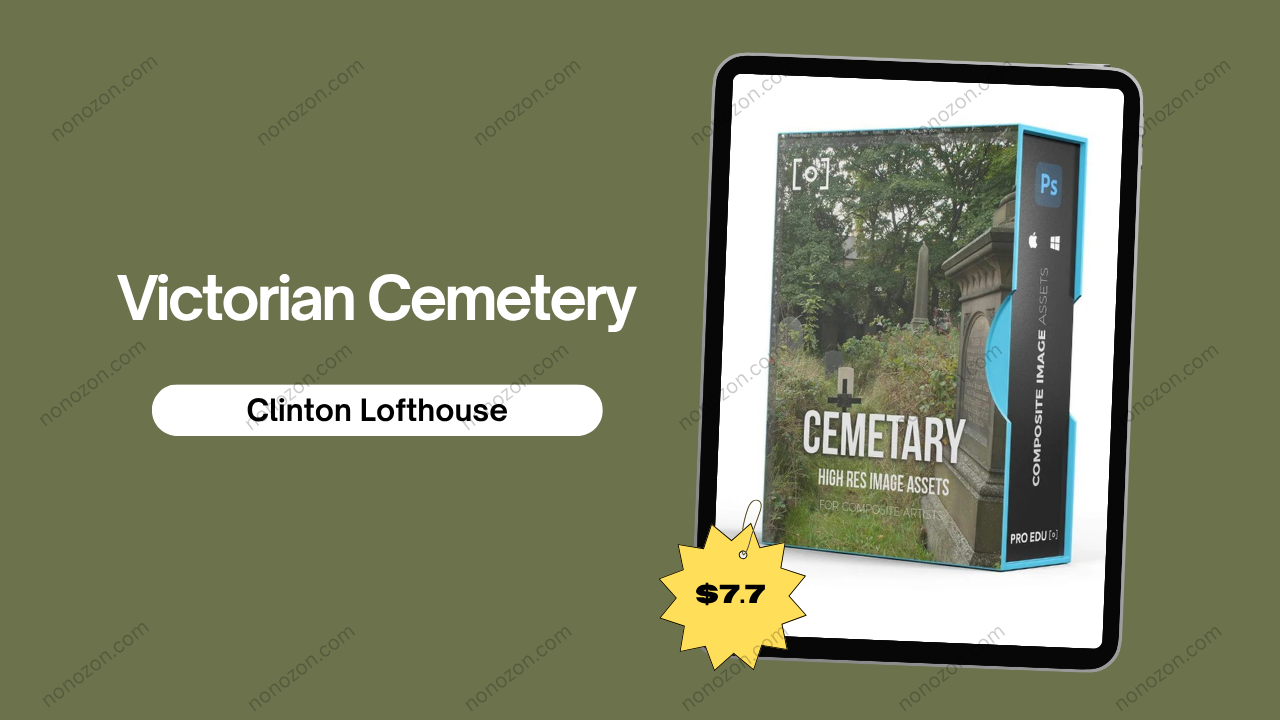
Victorian Cemetery
by Clinton Lofthouse
Review of Victorian Cemetery by Clinton Lofthouse
Check proof of content here:

The Victorian cemetery movement stands as a compelling exploration of how societies in the 19th century redefined their relationships with death, memory, and the built environment. Particularly in the United States and England, this era gave rise to a new form of commemorative landscape—one that was deeply intertwined with art, philosophy, and public life. Clinton Lofthouse's work on this subject provides a vivid examination of these burial spaces, revealing them not only as locations for mourning but also as reflections of cultural identity, aesthetic movements, and evolving societal norms. This review delves into the multifaceted themes presented in Lofthouse's analysis, including historical origins, artistic elements, cultural meaning, and ongoing influence.
Historical Significance of Victorian Cemeteries
Far from being simple places of interment, Victorian cemeteries played a crucial role in reflecting a changing societal approach to mortality and remembrance. These burial grounds grew out of the Rural Cemetery Movement, launched in the 1830s as a response to health hazards and spatial limits in city graveyards. The establishment of Mount Auburn Cemetery in Massachusetts in 1831 marked a turning point, fusing Romantic ideals with urban planning to create serene, contemplative environments.
Prior to this, most burial sites were cramped and bleak, offering little in terms of beauty or dignity. In contrast, Victorian cemeteries were intentionally placed outside urban areas and designed to resemble gardens or parks, inviting the public to engage in reflection and commemoration in a tranquil setting. The graves of historical figures like Karl Marx and George Eliot are found in such cemeteries, highlighting their purpose as both sacred grounds and civic landmarks.
This movement permanently altered how society viewed the act of remembrance. These landscapes became early examples of multifunctional public space—combining aesthetics, spirituality, and commemoration—thus influencing the evolution of cemetery design for generations to come.
The Rural Cemetery Movement
The Rural Cemetery Movement ushered in a new model for honoring the deceased—one that incorporated art, landscaping, and philosophical reflection. Spearheaded by thinkers like Dr. Jacob Bigelow, this trend emerged as cities struggled to manage overpopulated, unhygienic graveyards. Inspired by European Romanticism, these cemeteries sought to create harmony between human mortality and the natural world.
Mount Auburn in Boston became a paradigm for this style of memorial architecture. Winding paths, shaded groves, and sculpted monuments invited mourners to linger, contemplate, and participate in collective remembrance. Families would visit not only to mourn but to picnic, stroll, and enjoy a kind of pastoral communion with those they’d lost.
This evolution reframed death as a continuation of life’s story rather than an abrupt end. Elaborate gravestones became mediums for storytelling and symbolic representation, embedding personal histories in the landscape. These spaces provided not only comfort but also a platform for the living to remain emotionally and spiritually connected to the past.
Instant Download Victorian Cemetery by Clinton Lofthouse
Key Locations and Landmarks
Highgate Cemetery (London): Founded in 1839, Highgate is renowned for its Gothic tombs, overgrown beauty, and architectural drama.
Kensal Green Cemetery (London): One of the “Magnificent Seven” cemeteries, it set an early precedent for integrating landscape design with memorial function.
Oak Hill Cemetery (Washington, D.C.): Opened in 1848, this space exemplifies the marriage of Victorian architectural aesthetics and natural topography.
Greenwood Cemetery (Brooklyn, NY): Since 1838, Greenwood has stood as a model for the park-cemetery hybrid, influencing countless suburban cemeteries that followed.
These sites exemplify the core values of the Victorian cemetery ethos—elevating mourning into an act of cultural participation and artistic engagement.
Instant Download Victorian Cemetery by Clinton Lofthouse
Influence on Modern Cemetery Design
Victorian cemetery principles have cast a long shadow over how we continue to conceptualize burial spaces. The idea of integrating nature with remembrance remains prevalent today, with many cemeteries mimicking the scenic, accessible qualities first championed in the 19th century.
Elements such as water features, curated plantings, and walking paths have become standards, transforming cemeteries into welcoming environments rather than places of dread. Gravestone personalization, another Victorian hallmark, is still visible in today’s custom inscriptions and monuments.
What’s more, the Victorian model of the cemetery as a shared cultural space—where people gather to reflect, celebrate, and honor—has informed modern attitudes toward communal mourning and remembrance. Lofthouse emphasizes that this enduring legacy connects historical traditions with contemporary practices in meaningful ways.
Artistic Representation in Victorian Cemeteries
Victorian cemeteries also served as visual narratives, where symbolism and sculpture conveyed emotional truths about death, love, and legacy. These spaces were canvases for mourning, with gravestones and monuments communicating profound messages through imagery.
Angels were frequently sculpted to watch over the departed, acting as intermediaries between the living and the afterlife. Their presence provided reassurance to mourners and emphasized the spiritual nature of death. Another common motif—clasped hands—signified enduring bonds and the hope of reunion in the hereafter.
Flowers featured prominently as well, selected not just for their beauty but for their meanings in the Victorian language of flowers. A rose symbolized eternal love; lilies conveyed purity; and the weeping willow embodied mourning. Such choices allowed gravestones to speak in emotional and symbolic registers simultaneously.
Renowned sculptors brought these expressions to life, contributing to an era when cemetery art rivaled gallery installations in its craftsmanship and intention.
Symbols and Imagery on Gravestones
Victorian gravestones are rich with intricate symbols and imagery that speak volumes about life, death, and remembrance. These carvings functioned as a kind of visual code, conveying nuanced emotions and beliefs that often went beyond words. Among the most common motifs are angels, frequently shown as gentle guides escorting souls to the afterlife. Their presence evokes divine guardianship and peaceful transition, reinforcing the era’s strong belief in spiritual continuity beyond death.
Another striking symbol found throughout Victorian burial grounds is the broken column—a powerful metaphor for a life prematurely ended. Its fragmented form symbolizes the interruption of potential, instantly resonating with visitors by highlighting the tragedy of unfulfilled promise. Equally evocative are cenotaphs—memorials created in the absence of remains—which offer families a dignified way to honor loved ones laid to rest elsewhere, blending tribute with quiet sorrow.
Floral imagery also plays a major role in Victorian funerary art, with each flower carefully chosen for its symbolic meaning. Roses, for instance, often represent enduring love, while daffodils may be carved to signify respect and spiritual awakening. These botanical elements offered mourners an expressive yet subtle language for articulating grief, deepening the emotional bond between the living and the departed.
Other commonly found motifs include the weeping willow, emblematic of sorrow and mourning, and the dove, a gentle emblem of peace and eternal life. Such nature-inspired symbols reflect the Victorian philosophy that viewed death not as an end, but as a passage—a view that still resonates in modern commemorative traditions.
In essence, the art and symbolism found in Victorian cemeteries fulfill several functions: they honor the dead, comfort the bereaved, and mirror the cultural and spiritual attitudes of the time. Every carved symbol is a deliberate choice, intended to keep memory alive while inviting the living into a shared act of remembrance—bridging generations through art and sentiment.
Notable Artists and Sculptors
The Victorian period saw an influx of talented sculptors who turned cemeteries into open-air museums of grief and grace. One of the most influential was William Wetmore Story, whose emotionally charged figures captured the deep sorrows of loss while affirming spiritual hope. His work often featured classical drapery and expressive faces that invited viewers into a contemplative experience.
John Quincy Adams Ward brought a neoclassical elegance to cemetery art, employing allegorical figures that symbolized virtues like justice, faith, and memory. His sculptures added philosophical layers to the cemetery landscape, engaging visitors with timeless ideals.
Together, these artists helped define the visual identity of Victorian cemeteries. Their work was never just decorative; it was deeply intentional, carrying forward narratives that shaped how societies remembered their dead.
In conclusion, Clinton Lofthouse’s detailed exploration of Victorian cemeteries reveals them as more than historical oddities—they are enduring cultural texts. These spaces tell stories about art, architecture, societal values, and our collective efforts to understand death through beauty and memory. The legacy of the Victorian cemetery is visible today not just in the stones and paths of the past but in how we continue to design, use, and feel about spaces of remembrance.
Let me know if you’d like this review formatted for a blog post, academic setting, or creative piece—I’d be happy to tailor it.
The Role of Landscape Architecture
Landscape architecture played a transformative role in shaping Victorian cemeteries, redefining how society engaged with death and remembrance. These carefully designed spaces marked a departure from grim, utilitarian graveyards, becoming instead tranquil environments that nurtured both memory and connection to nature. This shift encouraged the living to view cemeteries not only as places of mourning but also as contemplative retreats where they could honor the dead in peaceful, natural surroundings.
Through meandering walkways, varied plantings, and thoughtfully positioned memorials, landscape architects created settings that promoted reflection and serenity. Their designs embraced the organic features of the land, integrating elements like trees, gardens, and water to create emotionally resonant landscapes. A prime example of this philosophy is Mount Auburn Cemetery in Massachusetts, which exemplifies how design can elevate the experience of memorialization and transform the cemetery into a haven for both sorrow and solace.
Key to Mount Auburn’s success was Henry A.S. Dearborn’s vision, which emphasized working with the natural contours of the site. His approach laid a foundation for future cemetery planning by highlighting the power of landscape to infuse burial grounds with beauty, dignity, and a sense of continuity between life and death. These thoughtfully landscaped spaces fostered a spirit of contemplation, encouraging visitors to find comfort in the surroundings as they remembered loved ones.
Clinton Lofthouse, in his reflections on Victorian burial grounds, points out how this intentional blending of nature and built elements invited deeper engagement from the public. Viewing cemeteries through a design lens uncovers broader themes about cultural perceptions of death, mourning, and the value of sacred public space—a perspective that still influences how cemeteries are conceived and maintained today.
As urban populations grow and green spaces diminish, the role of cemeteries as peaceful, restorative environments becomes even more crucial. Modern cemetery design continues to build on Victorian principles, merging historical integrity with contemporary aesthetics. In doing so, these spaces remain relevant sanctuaries that honor the departed while enriching the lives of the living.
Cultural Impact of Victorian Cemeteries
Victorian cemeteries are more than places of burial—they are enduring cultural landmarks that interweave art, heritage, and community identity. From their inception, these spaces transcended their functional purpose, becoming arenas for reflection, collective grief, and social connection. By embedding cemeteries within the urban landscape, Victorians redefined society’s relationship with death, shaping a legacy that continues to resonate in today’s cultural consciousness.
These cemeteries, often lushly landscaped and architecturally striking, became important communal spaces. Their beauty and tranquility drew visitors not just for mourning, but for leisure and introspection. As Clinton Lofthouse emphasizes, cemeteries during the Victorian period evolved into hybrid spaces—part garden, part gallery, part sacred ground—offering both spiritual nourishment and emotional refuge. Families might gather for quiet remembrance or spend afternoons amid the trees, enjoying the calm environment while paying respects to loved ones.
At the same time, these burial sites became repositories of local and national history. The graves of influential figures and ordinary citizens alike told stories that reflected broader societal values, struggles, and achievements. Guided tours, historical markers, and interpretive programs allowed communities to engage more deeply with their heritage, turning cemeteries into living museums of memory and meaning. The elaborate tombs and sculptures preserved within these grounds also reflect the artistic and philosophical currents of their era.
In contemporary urban planning and cultural studies, the role of Victorian cemeteries is gaining renewed recognition. Their integration into public life—as spaces for both reverence and recreation—continues to shape how we approach death and community legacy. These historical landscapes remind us of a time when death was more openly acknowledged and thoughtfully commemorated, offering a model for how we might better weave remembrance into the rhythm of everyday life.
Through their enduring presence and cultural resonance, Victorian cemeteries show how memorial spaces can serve not only as final resting places but also as vibrant parts of a city’s cultural and emotional landscape.
Cemeteries as Public Spaces
Victorian cemeteries were more than just final resting places; they were also public spaces that fostered community interaction and reflection. During the 19th century, as urban centers became overcrowded, the design and layout of cemeteries evolved to incorporate park-like features, providing serene escapes for city dwellers. Mount Auburn Cemetery, for example, became an early model of this concept, transforming conventional burial practices into engaging landscapes suitable for leisurely strolls, picnics, and family gatherings.
This transformation reflects a broader societal shift, as cemeteries began to be viewed as integral parts of community life. Families visiting the graves of loved ones often spent time in these spaces, cultivating a collective memory that allowed for active engagement with the historical narratives represented in the graves and monuments. Beyond mourning, these cemeteries encouraged visitors to connect with their surroundings, appreciating the artistry and natural beauty that adorned the landscapes.
The societal view of death as a shared experience contributed to a fabric of communal identity that transcended individual loss. Educational programs, seasonal events, and public art exhibitions hosted in these cemeteries facilitated opportunities for social engagement, transforming traditional perceptions of death into opportunities for celebration and remembrance. Such multifaceted roles allow cemeteries to remain relevant within cultural discussions surrounding mortality, legacy, and the intrinsic connection between nature and memory.
Research by Clinton Lofthouse amplifies the understanding of how Victorian cemeteries serve as vital public spaces that engage communities today. As urban landscapes change, the appreciation for cemeteries as cultural resources supporting historical memory and communal ties continues to grow. By recognizing the significance of these spaces, societies can champion ongoing connections to their histories and foster environments that honor both the past and present.
Commemoration Practices in the Victorian Era
Commemoration practices during the Victorian era reflected a profound engagement with mortality, blending societal norms, artistic expression, and emotional depth. The establishment of Victorian cemeteries catalyzed elaborate customs surrounding death and burial, allowing families to honor their loved ones through rituals that emphasized remembrance and legacy. The Victorian fascination with death manifested in a range of practices, from mourning attire to elaborate funerals, all designed to reinforce familial bonds and collective grief.
Epitaphs on gravestones became vehicles for expressing individual narratives, often inscribed with poetic reflections and meaningful symbols. The inclusion of heavy emotional symbols like weeping willows or doves illustrated a shared cultural language that could articulate feelings of loss and hope. These artistic elements transformed gravestones into storytelling devices, rendering the act of remembrance a deeply emotional experience.
Literature from the Victorian period also intertwined with commemoration practices, as authors often utilized cemeteries as thematic backdrops in their narratives. For example, Charles Dickens' experience with graveyards informed his character development, exploring themes of mortality and redemption. Such literary representations enhanced public engagement with the aesthetics of death, encouraging reflection on life’s ephemeral nature and the connections that endure beyond.
The socio-cultural norms dictating mourning attire further expanded the conversation around commemoration. Families adhered to strict conventions regarding the duration and style of mourning after a death, reinforcing community identities and collective experiences of grief. This shared commitment to mourning rituals served to bind families and communities together, underscoring the significance of memorialization within Victorian culture.
Clinton Lofthouse's exploration of the cultural dynamics of commemoration highlights the intricacies of how death was celebrated within Victorian society. His insights reveal that practices surrounding death were multi-layered and nuanced, fostering understanding of societal attitudes towards mortality as shaped by art, culture, and communal relationships a legacy that continues to impact contemporary practices today.
The Relationship Between Life and Death
Within the context of Victorian cemeteries, the intricate relationship between life and death serves as a vital theme that shapes societal attitudes toward mortality and memorialization. The historical context of the Victorian era, marked by rapid industrialization and urbanization, prompted a reevaluation of how communities engaged with death. No longer regarded as merely the end of life, death began to be viewed as a transformative passage that necessitated reflection and commemoration.
Victorian cemeteries effectively embodied this philosophy, delineating spaces where the living could honor the dead while simultaneously celebrating life. The careful attention to landscaping and artistic representation in these burial grounds signifies a profound respect for the deceased, revealing a culture that believed death was but a transition rather than an ending. Elements such as intricate monuments, lush gardens, and serene pathways invite visitors to participate in a relational dialogue between the past and present.
Furthermore, relief art, depicting scenes of beauty and remembrance, conveys both nostalgia and hope, fostering a deeper connection between visitors and the deceased. The inclusion of sculptures and intricate carvings on gravestones enhances the narrative that life continues beyond death, inspiring ongoing connections with the living. This perspective transforms grief into a celebration of existence, echoing the sentiments of both the living and the departed.
Literature reflecting Victorian attitudes toward life and death often drew upon cemetery settings as vehicles for exploring profound existential themes. Authors articulated a dialogue between mortality and legacy, reflecting on the human experience and the desire for eternal remembrance. Texts reaffirm the cultural belief that commemoration establishes a bridge between the living and the deceased, reiterating the importance of memory in sustaining connections across generations.
In conclusion, the intricate relationship between life and death within Victorian cemeteries exemplifies a cultural shift that continues to resonate today. Clinton Lofthouse's insights underscore these spaces as fundamental to understanding collective narratives of mortality, showcasing how memorialization practices intertwine life’s beauty with the acceptance of death, allowing communities to navigate grief while honoring enduring legacies.
Tourism and Engagement with Victorian Cemeteries
Victorian cemeteries have emerged as significant sites of interest for tourism and community engagement, offering rich cultural narratives and historical insights. As public spaces, they serve as venues for education and reflection, transforming from mere burial sites to vibrant locations that foster connections between people and their shared histories. Clinton Lofthouse's work highlights how cemeteries provide opportunities for exploration and deeper understanding of the relationship between life and death, promoting ongoing dialogue about memorial practices.
Guided Tours and Educational Programs
Guided tours and educational programs have become integral to the engagement approach at many Victorian cemeteries. Initiatives like those at Mount Auburn Cemetery often include thematic tours focused on historical events, notable burials, and art and architecture, allowing visitors to engage with their surroundings meaningfully. These educational experiences delve into the narratives of those interred, illuminating their contributions to history and culture.
Such programs create community involvement, encouraging locals to appreciate and take pride in these historical landscapes. Many cemeteries host seasonal events, lectures, and workshops centered around commemorative practices, informing and engaging visitors with the Victorian ethos of remembrance. The intersection of culture and education within these spaces enhances public understanding of death and memory while fostering a sense of connection to the past.
Lofthouse's research indicates that these guided interactions provide contexts for understanding how Victorian burial spaces operated beyond their primary function. They reveal the layered meanings embedded within the structures and landscapes, transforming contemplative visits into dynamic opportunities for communal learning.
In contemporary society, the relevance of such engagement grows as urban planners increasingly recognize the value of cemeteries as educational resources. Creating accessibility to historical narratives and cultural practices through guided experiences underscores a revitalized appreciation of these sites, allowing visitors to engage more creatively with the historical legacies they embody.
Community Events and Activities
Community events and activities at Victorian cemeteries play a monumental role in enhancing public engagement and fostering appreciation for the history and artistry of these spaces. Often characterized as gatherings that celebrate local culture and heritage, these events blur the lines between commemoration and recreation, providing visitors with enriching experiences.
Cemeteries like Green-Wood Cemetery in Brooklyn host a range of public activities, from festival celebrations to art exhibitions that invite local artists to showcase their work amidst the backdrop of historical graves. These events promote community building and artistic expression and infuse life into spaces traditionally seen as somber.
Clinton Lofthouse notes that such initiatives create a cultural tapestry, allowing participants to connect with their surroundings more dynamically. Seasonal celebrations, lectures on local history, and nature walks have the power to transform cemeteries into communal spaces that celebrate life through the lens of remembrance. This shift in perception encourages communities to appreciate their historical sites as sources of identity and continuity, where stories of the past resonate in the present.
Moreover, these activities have broader implications for preservation efforts, as engaging communities can lead to increased awareness of the need to protect these historical landscapes. As visitors develop emotional ties to the cemeteries, they often become invested advocates for their maintenance, ensuring that the narratives within those grounds are safeguarded for future generations.
Preservation of Historical Sites
The preservation of historical sites, particularly Victorian cemeteries, represents a crucial intersection between cultural heritage, community involvement, and urban development. As urban areas expand, the significance of these burial grounds as vital historical landscapes becomes ever more apparent. Preservation efforts focus on maintaining the unique architecture, landscaping, and cultural legacies found within these cemeteries.
Organizations dedicated to the historical preservation of cemeteries advocate for the care and maintenance of these sites, recognizing their intrinsic value to community identity and memory. Collaborations between preservationists, local governments, and community groups play a pivotal role in formulating strategies to protect these landscapes from the encroachment of urban development.
Lofthouse emphasizes that the unique storytelling embedded in cemetery monuments serves not only as historical records but also as cultural artifacts worthy of protection. As cemeteries evolve into multifaceted resources, their preservation warrants thoughtful planning and recognition of their significance within urban ecosystems.
Modern preservation approaches increasingly focus on integrating cemeteries into broader urban landscapes, ensuring that these spaces maintain their historical integrity while providing welcoming environments for current and future generations. In this context, the role of Victorian cemeteries as educational and communal resources reflects a sustained commitment to honoring memory while adapting to contemporary needs.
Ultimately, the efforts to preserve these historical sites underscore their importance as cultural legacy keepers that connect communities and underscore shared narratives of life, death, and remembrance.
Noteworthy Examples of Victorian Cemeteries
Victorian cemeteries serve as rich repositories of history, artistry, and cultural significance. Each cemetery tells a unique story, reflecting the values and beliefs of the communities that created them. This section explores three noteworthy examples Mount Auburn Cemetery, Laurel Hill Cemetery, and Green-Wood Cemetery each contributing to the understanding of how architectural choices and societal attitudes towards death shape our collective memorialization practices.
Mount Auburn Cemetery
Mount Auburn Cemetery is often hailed as the first garden cemetery in the United States, opening its gates in 1831. Its inception marked a departure from utilitarian burial practices to emphasize beauty and tranquility. The design of Mount Auburn, credited primarily to landscape architect Henry A.S. Dearborn, showcases a harmonious blend of nature, art, and memory.
Key Features of Mount Auburn Cemetery:
- Design Aesthetic: Winding paths, picturesque trees, and carefully curated floral arrangements create an inviting landscape that encourages contemplation transforming the cemetery into a living space that breathes life into memorialization.
- Cultural Significance: Mount Auburn became a model for urban park design, establishing the practice of integrating cemeteries into city life. Its serene settings allowed families to cherish memories while enjoying nature, reflecting broader societal shifts toward death and remembrance.
- Architectural Diversity: The cemetery features a variety of architectural styles that evolved from neoclassical designs to Gothic influences over time, creating a visual narrative that mirrors changes in Victorian aesthetics.
- Notable Burials: Home to influential individuals such as writers, politicians, and scientists, Mount Auburn Cemetery's significance extends beyond its landscapes, embodying the rich cultural tapestry of its historical context.
Mount Auburn continues to inspire modern cemetery designs, reinforcing the connection between nature and memory while preserving the legacies of those interred.
Laurel Hill Cemetery
Laurel Hill Cemetery, established in 1836 in Philadelphia, is recognized as one of the first rural garden cemeteries in the country. Designed by Scottish architect John Notman, Laurel Hill features sweeping vistas, terraces, и pathways that invite visitors to engage intimately with its historical eras and artistic monuments.
Features of Laurel Hill Cemetery:
- Dramatic Landscapes: The cemetery’s topographical features reflect Notman's understanding of landscape architecture, blending ornate memorials with natural beauty to create an immersive experience.
- Prominent Figures: Home to numerous notable individuals, including Civil War generals and entrepreneurs, Laurel Hill serves as a historical archive that celebrates the contributions of influential citizens, contributing to its cultural significance.
- Victorian Artistic Style: The cemetery is filled with memorials showcasing elaborate Victorian artistry, with a diverse range of sculptures and mausoleums that tell the personal stories of the deceased.
- Community Engagement: Events held in the cemetery foster a sense of community, allowing visitors to appreciate the historical significance while forming connections to their shared heritage.
Laurel Hill Cemetery exemplifies the rich relationship between art, nature, and memory, inviting visitors to reflect on their legacies while enjoying the serenity of its landscapes.
Green-Wood Cemetery
Established in 1838, Green-Wood Cemetery in Brooklyn, New York, is celebrated for its artistic grandeur and scenic beauty. Designed with rolling hills, serene lakes, and an eclectic array of monuments, Green-Wood exemplifies the ideals of the Victorian cemetery movement.
Prominent Aspects of Green-Wood Cemetery:
- Stunning Landscapes: The cemetery boasts sweeping park-like grounds that provide tranquil settings for contemplation and exploration, drawing visitors to its picturesque hills and water features.
- Artistic Flair: Green-Wood is home to a remarkable collection of sculptures and mausoleums by prominent artists, blending artistry with memorialization. Each piece holds a story, contributing to the cemetery's rich tapestry of history.
- Cultural Historical Site: As a burial ground for notable figures from politicians to artists and writers Green-Wood plays a critical role in preserving stories of American history, offering tours that illuminate the narratives of those interred.
- Community Engagement: The cemetery hosts a variety of events throughout the year, bringing together the community for concerts, historical tours, and seasonal activities, enriching public appreciation for this historic site.
Green-Wood Cemetery stands as a testament to the enduring influence of the Victorian cemetery movement, highlighting the interplay between artistry, landscape, and cultural memory while serving as a thread connecting the past to present.
Symbolism in Victorian Cemetery Art
Within the artistic fabric of Victorian cemeteries lies a rich tapestry of symbolism, particularly evident in the natural motifs that adorn gravestones and monuments. These symbols speak volumes about the prevailing attitudes toward death, remembrance, and the intricate relationship between life and the afterlife.
Nature-Based Symbols and Their Meanings
Victorian graves were often adorned with nature-based symbols that conveyed specific meanings and emotions surrounding loss. Below is a breakdown of some significant symbols and their interpretations:
- Daffodil: Represents admiration and respect for the deceased.
- Dove: A symbol of purity and the soul's ascent, often found on children's graves.
- Lamb: Signifies innocence and purity, reflecting a nurturing aspect of life.
- Fern: Represents sincerity and sorrow, indicative of deep grief felt by the living.
- Rose: Symbolizes beauty and love; its various forms can denote different ages or relationships.
- Ivy: Conveys fidelity and friendship, symbolizing enduring love.
- Weeping Willow: Represents continuous mourning and symbolizes fragility in life.
- Forget-Me-Not: Stands for remembrance, urging the living to cherish the memory of the deceased.
These symbols collectively transform cemeteries into hidden lexicons of emotional expression, allowing visitors to explore the depth of love, loss, and legacy that transcends time.
This focus on nature as a conduit for remembrance reflects a broader Victorian fascination with the cycle of life and death, emphasizing how these motifs intertwine human experiences with the beauty of the natural world. The incorporation of heartfelt symbols on gravestones transforms the cemetery landscape into a visual narrative, encouraging deeper engagement with the emotions tied to mortality.
As Lofthouse's review highlights, the symbolic language woven into Victorian cemetery art plays a crucial role in how communities express grief and memory, fostering connections between the living and the deceased through the lens of nature's ongoing vitality.
Freemasonry and Other Cultural Symbols
Freemasonry and other cultural symbols hold significant meaning within Victorian cemetery art, influencing the design and symbolism of monuments and gravestones. The incorporation of Masonic symbols, such as the square and compasses, reflects the values and beliefs of the deceased, connecting the memorialization practices to broader societal contexts.
Masonic imagery often signifies morality, integrity, and the importance of personal character. Such symbols carved into gravestones serve as a tribute to the deceased's values, providing insight into their identities and allegiances. This use of Freemasonry in cemetery art creates a layered meaning that resonates with the living and reflects the social ties and cultural contexts of the individuals commemorated.
In addition to Freemasonry, Victorian cemetery art encompasses a wide array of symbols representing various cultural beliefs. For example, common motifs include:
- Broken Column: Signifying a life cut short, representing loss and mourning.
- Willow Tree: Symbolizing grief and the fragility of life.
- Obelisks: These Egyptian-inspired structures represent both the divine and the permanence in death, linking cultural ideas of immortality with earthly memorials.
The artistic expression within Victorian cemeteries captures complex societal values, encapsulating the interplay between individual identity, cultural affiliation, and the remembrance of those who have passed. As Lofthouse notes, cemetery art forms a poignant connection between the past and present, prompting both reflection and appreciation for the lives commemorated within these spaces.
The Use of Statues and Monuments
The statues and monuments found in Victorian cemeteries not only serve as artistic expressions but also hold deep cultural and historical significance. From elaborate sculptures of angels to intricately designed mausoleums, these memorials reflect societal attitudes toward death and the importance of remembrance.
One predominant feature of Victorian cemeteries is the prevalence of figurative sculptures, allowing mourners to connect emotionally to the deceased. The depiction of angels is particularly notable; they symbolize hope and continuity beyond mortality, offering comfort to grieving families. Statues frequently encapsulate personal narratives, embodying aspects of the individuals they represent.
The use of monuments ranging from simple headstones to elaborate mausoleums serves as a physical manifestation of memory, linking the living to the legacy of the dead. Sculptors often infused their works with symbolism, where elements like broken columns or weeping figures evoke specific sentiments surrounding death and loss. Museum-like in their presentation, these memorials transform cemeteries into collections of art that tell stories of lives lived.
Clinton Lofthouse's exploration into the artistry of Victorian cemeteries emphasizes the layered meanings embedded in these structures. He asserts that each statue and monument is a conversation piece, prompting visitors to engage with the narratives that transcend time. The artistic value found in these cemeteries enriches public appreciation for the stories behind each grave and serves as a reminder of the interconnections between life, death, and memory.
Contemporary Perspectives on Victorian Cemeteries
Contemporary perspectives on Victorian cemeteries highlight their ongoing significance in the realm of cultural memory, artistic expression, and community engagement. In examining the evolution of these spaces from their inception in the 19th century to modern-day interpretations, one can trace how societal attitudes towards death and remembrance have shifted while still preserving the essence of the Victorian ethos.
Modern Interpretations of Cemetery Art
The artistry inherent in Victorian cemetery design continues to influence contemporary approaches to memorialization. Today, artists and designers often draw inspiration from Victorian gravestones’ intricate designs, incorporating personalized elements that reflect individual identities and stories. This shift from uniformity to personalization mirrors broader changes in societal attitudes, as people seek to express their unique narratives through memorials that resonate with their personal experiences.
Furthermore, the modern concept of cemeteries as reflective spaces has led to designs that prioritize comfort, beauty, and emotional connection. Aesthetic considerations, such as the incorporation of natural elements and artistic flair, remain central to contemporary cemetery design.
Lofthouse’s review underscores this dynamic dialogue between past and present, facilitating an understanding of how historical artistic practices inform ongoing expressions of identity and memory. As modern interpretations of cemetery art continue to evolve, visitors are encouraged to engage with these environments in meaningful ways that honor the memories and stories of those interred.
The Role of Technology in Cemetery Management
The advancement of technology has significantly transformed how cemeteries are managed and experienced, ensuring that the values of the Victorian cemetery movement resonate within contemporary practices. Modern cemetery administrations employ digital tools and strategies to enhance operational efficiency, engage with visitors, and maintain records of interments.
Digital mapping technology has become instrumental in facilitating navigation through larger cemetery grounds, improving visitor experiences by offering interactive maps and guides that highlight historical significance and notable burials. Visitor engagement can also be further enhanced through mobile applications that provide information on grave locations, biographies of those interred, and historical context.
Moreover, technology is reshaping memorialization practices, allowing families to create digital legacies through memorial websites, virtual tours, and interactive exhibitions. This integration of technology not only serves to preserve history but also encourages a closer relationship between the living and the deceased, reflecting the ongoing relevance of Victorian ideals in contemporary contexts.
Lofthouse emphasizes the need for a balance between traditional values and technological advancement within cemetery management. The challenge lies in respecting historical significance while innovating to meet modern needs. The convergence of old and new illustrates how Victorian cemeteries can continue to adapt to the cultural landscapes of today while remaining rooted in their historical heritage.
Future Trends in Cemetery Design and Use
As societal values continue to evolve, there is a growing interest in adapting cemetery designs to better serve contemporary communities. Future trends in cemetery design highlight the importance of creating welcoming environments that prioritize emotional well-being, accessibility, and community engagement while honoring historical legacies.
One emerging trend is the emphasis on creating multifunctional spaces within cemeteries areas that foster social connection and recreational use alongside memorialization. The integration of gardens, art installations, and community gathering spaces encourages interactions among visitors and thought-provoking engagements with history and memory. This trend allows cemeteries to transcend their traditional roles, positioning them as valuable public resources that contribute to the urban landscape.
Additionally, the rising interest in sustainability and environmental stewardship is shaping the future of cemetery design. Eco-friendly practices such as natural burial options, green landscaping, and innovative water management solutions reflect a broader societal commitment to preserving our environment and honoring life in all its forms.
Clinton Lofthouse's insights into the evolution of cemetery design underscore the importance of adapting these spaces to meet modern needs while emphasizing the historical roots and cultural significance that underpin their existence. As societies continue to navigate the complexities of death and remembrance, Victorian cemeteries will undoubtedly play an integral role in fostering connections that link the past with the present and future.
Victorian cemeteries exemplify a rich confluence of artistry, culture, and societal values, evoking a profound understanding of memory, life, and death. Through Clinton Lofthouse's work, we glimpse the intricate narratives embedded within these spaces, reinforcing their enduring significance as sites of historical importance and cultural reflection. While they serve as solemn reminders of mortality, they also embody an undying spirit of celebration, connection, and beauty that continues to inspire and engage communities today. As we navigate the complexities of remembrance in contemporary society, the lessons gleaned from the Victorian cemetery movement will undoubtedly inform our understanding of memorialization practices for generations to come.
Related products

Landscapes with Oil Pastels and Crayons: Playing with Light
by Clara Debray
$39.00
$7.70

Retro Character Design for Animation
by Venturia Animation Studios
$39.00
$7.70