
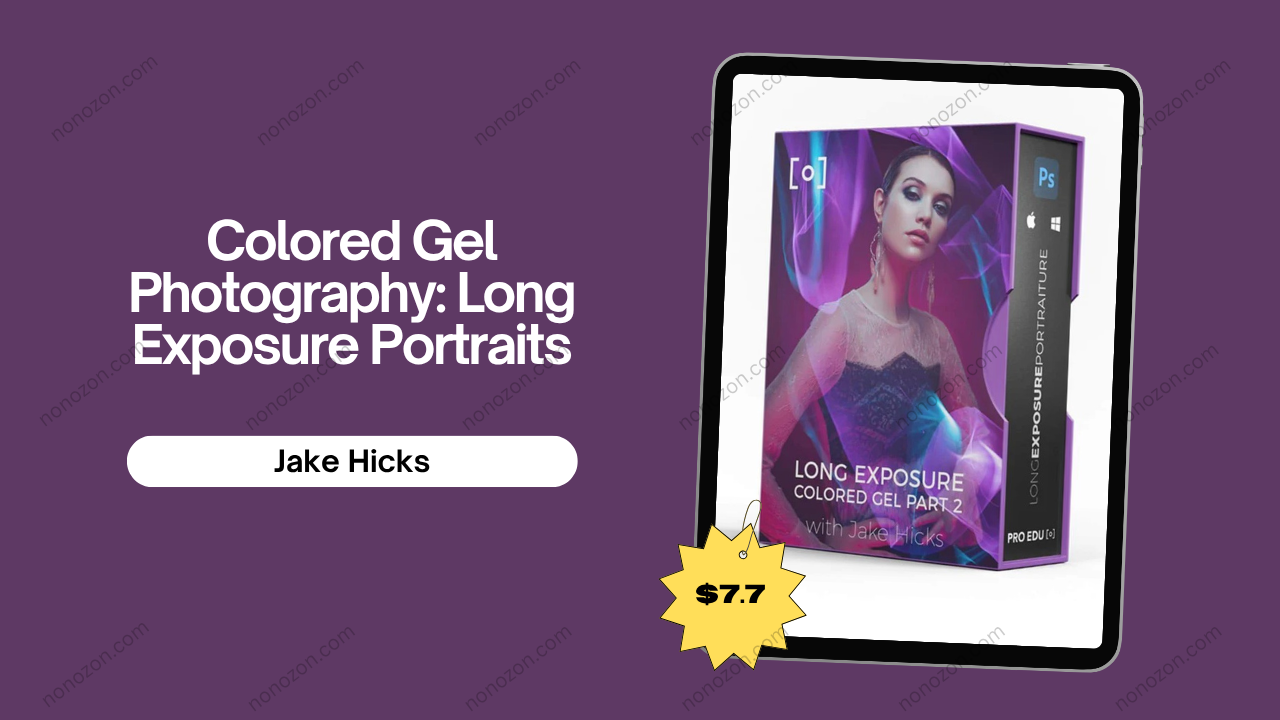
Colored Gel Photography: Long Exposure Portraits
by Jake Hicks
Colored Gel Photography: Long Exposure Portraits by Jake Hicks
Check proof of content here:
Jake Hicks has carved a niche in the world of photography by fusing creativity with technical prowess, particularly in the realm of colored gel photography and long exposure portraits. His unique techniques invite photographers to explore vibrant colors and dynamic movements, pushing the boundaries of traditional portraiture. The artistry displayed in Hicks’ work transforms everyday subjects into surreal visuals, where light dances fluidly across the scene, telling a story of its own. The confluence of ambient light, studio strobes, and the expressive potential of colored gels allows for the creation of images that resonate emotionally and captivate the viewer’s eye.
In this in-depth exploration, we will delve into the intricacies of Hicks’ methods, focusing on the importance of long exposure in portrait photography, the equipment needed, camera settings, and post-production processes that elevate the final images. Hicks’ tutorials provide invaluable insights, particularly for photographers looking to expand their creative toolkit and achieve visually striking results that stand out in a crowded industry.
Ultimately, colored gel photography is more than just a technique; it's an invitation to inject a fresh aesthetic into portrait photography, encouraging practitioners to experiment and find their unique voice through light and color.
Overview of Jake Hicks' Techniques
Jake Hicks' approach to colored gel photography and long exposure portraits is akin to the way a painter combines colors on a canvas. Each light source acts as a brush, crafting a palette of vivid emotions and narratives within a single frame. Hicks emphasizes the delicate balance between light and shadow, ambient and artificial, static and dynamic, creating portraits that tell a story beyond the still image. His techniques highlight the significance of in-camera effects, showcasing how thoughtfully planned setups can result in breathtaking images that require minimal post-processing.
The essence of Hicks’ techniques can be distilled into the following key methodologies:
- Integration of Ambient and Strobe Lighting: By harmonizing natural and artificial light sources, Hicks captures the rich textures of his subjects while establishing an evocative atmosphere.
- Movement and Ghosting Effects: Hicks demonstrates how intentional movement during long exposure can create ethereal portraits filled with a sense of motion and fluidity.
- Color Gel Implementation: The application of colored gels breathes life into portraits, allowing a transformative experience that alters the viewer's perception and emotional response to the subject.
- Iterative Learning Process: Hicks advocates for an experimental approach, encouraging photographers to practice repeatedly, adjusting variables along the way to understand visually what resonates.
Overall, Hicks’ techniques are a testament to the interplay of creativity and technical skill, for aspiring photographers and seasoned professionals alike. Through clear instruction and practical examples, he opens the door to limitless visual storytelling possibilities.
Importance of Long Exposure in Portrait Photography
Long exposure photography is a transformative technique that both challenges and expands the photographer's usual approach towards capturing portraits. In the context of colored gel photography, long exposure plays a pivotal role in creating images that resonate beyond mere representation. This method allows photographers to blend the dynamic with the static, offering a unique perspective on portraiture.
By utilizing long exposure, photographers can incorporate movement into their images, capturing the essence of the moment rather than just a still frame. With a longer shutter speed, the movement of the subject creates a ghostly effect, imbuing the photograph with an ethereal quality. This is particularly effective in portraits, as it evokes a sense of narrative the viewer becomes immersed in a visual story where motion and emotion coexist.
In the realm of colored gel photography, the impact of long exposure is amplified. Imagine a whirlwind of color enveloping the subject, creating a striking blend of hues that appear to flow organically. The time taken for light to capture allows for richer color saturation and blends, essentially painting the subject with light.
Moreover, long exposure photography encourages a deeper connection between the subject and the photographer. It invites a level of anticipation and interaction, as both must work in sync to produce a cohesive shot. This reliance on collaboration brings an organic quality to portraits where spontaneity and planned strokes coexist harmoniously.
In summary, the significance of long exposure in portrait photography lies in its capacity to amplify emotion, create movement, and transform color interactions. Photographers like Jake Hicks leverage this method to craft images that invite awe, captivating viewers with rich, layered stories told through time and light.
Instant Download Colored Gel Photography: Long Exposure Portraits by Jake Hicks
Combining Ambient Light and Studio Strobes
Combining ambient light and studio strobes is a hallmark of Jake Hicks’ photographic technique. This hybrid approach enables photographers to create stunning portraits that merge reality with artistic interpretation, effectively utilizing the strengths of both light sources. Ambient light serves as the foundation, providing natural softness and texture, while strobes inject vibrancy and definition, allowing the photographer to manipulate moods and styles dynamically.
By melding these two forms of light, Hicks encourages an exploration of contrast and harmony. The key lies in balancing their contributions using ambient light to illuminate the scene and the model softly, and strategically employing strobes to highlight critical areas without overpowering the natural light.
One advantageous technique involves positioning ambient sources behind the subject while utilizing strobes to illuminate the subject directly. This setup creates a backlight effect that enhances depth, producing a well-rounded portrait that retains vital details even in darker areas. It’s a delicate dance between light and shadow, revealing the subject's form while still emphasizing the surrounding context.
Additionally, Hicks advocates for flexibility with equipment placement, encouraging photographers to experiment with varying distances, angles, and output levels of both ambient light and strobes. This approach not only contributes to a greater understanding of how light interacts within the space, but also fosters creativity each setup can yield drastically different results, inviting a sense of spontaneity into the shooting process.
In practice, gaze into the eyes of a portrait taken using this method; you can feel the depth of the moment, as the ambient light caresses the skin, while the structured light brings pronounced definition to facial features, culminating in a fundamentally engaging image. This synergy exemplifies Hicks’ mastery of combining light sources, effectively transitioning traditional studio shots into vibrant and captivating narratives that resonate with viewers.
Techniques for Capturing Practical Effects In-Camera
Capturing practical effects in-camera is a cornerstone of Jake Hicks’ methodology, particularly within the field of long exposure photography and colored gels. The notion of achieving extraordinary visual outcomes without relying on extensive post-production reflects a commitment to the artistry of photography itself. Hicks champions the philosophy that the creative process should begin long before the editing phase, emphasizing the careful planning of in-camera techniques.
One of the prominent techniques is light painting. By moving the camera or the light sources during long exposures, photographers can create dynamic motifs of light that blend but do not overshadow the main subject. This gives portraits an ethereal quality while retaining critical focus points. Hicks instructs photographers on the importance of timing coordination, suggesting that precise movement aligns with the shutter’s activation, allowing for harmonious interactions of light over time.
Another effective method involves using colored gels to filter the light produced by studio strobes. Colored gels not only transform the tone and mood of portraits but also add layers of aesthetic complexity by layering various color schemes. They create highlights and shadows that imbue the photographs with depth and emotional resonance. Hicks encourages photographers to experiment with gel placement, discovering how different hues alter the subject's appearance and the ambient feel of the image.
Moreover, Hicks highlights the significance of shutter speed in conjunction with aperture settings to maximize the color characteristics of the gels. Longer exposure times allow colors to blend seamlessly, creating a more cohesive look, while a wide aperture can isolate details within the scene maintaining subject clarity amid swirling colors.
By intricately weaving these techniques together, Hicks promotes a hands-on approach to photography. He demonstrates that capturing practical effects in-camera reflects a deeper understanding of light, motion, and color, transforming the photographic process into a narrative feast that speaks volumes beyond the confines of the digital realm.
Equipment and Setup
In the intricate world of colored gel photography led by Jake Hicks, understanding the equipment and setup is indispensable for achieving stunning results. Photography is essentially an arena of creative expression, but having the right tools enables that vision to flourish. Below is a comprehensive outline of the essential gear you’ll need to create captivating long exposure portraits with colored gels:
Equipment | Purpose |
Camera | A DSLR or mirrorless camera is essential. Preferred brands often include Nikon or Canon. |
Lenses | Fast prime lenses, like a 50mm f/1.4 or 85mm f/1.8, offer optimum depth of field and low-light capabilities. |
Studio Strobes | These are crucial for handling controlled lighting and achieving high production quality. Note: Models with adjustable outputs are recommended. |
Speedlights | Portable and versatile, ideal for on-location shoots when studio strobes aren’t practical. |
Colored Gels | A variety of gels for creating striking hues; ensure these fit securely on light sources. |
Modifiers | Include softboxes, umbrellas, and beauty dishes to diffuse and shape light effectively. |
Light Stands | Sturdy and adjustable stands maintain lighting equipment in the ideal position. |
Wireless Triggers | Facilitate remote firing of lights, allowing for greater movement freedom during shoots. |
Reflectors | Used for bouncing light back onto the model to fill shadows and provide balanced exposure. |
Backdrop Materials | Consider colored or textured backdrops to complement the visual narrative created by colored gels. |
Editing Software | Both Lightroom and Photoshop are crucial for retouching and enhancing images post-shoot. |
Understanding the full range of equipment provides photographers with greater confidence, as they can effectively coordinate lighting and composition during the shoot. Jake Hicks’ tutorials guide the viewer through the process of setting this equipment up, demonstrating how each component plays a critical role in the overall outcome. By experimenting with different configurations, photographers can uncover unique styles and elevate their creative potential.
Essential Gear for Colored Gel Photography
As with any specialized photography technique, investing in the right gear is critical for successful outcomes in colored gel photography. The essential pieces of equipment, detailed below, empower photographers to achieve stunning visual effects while also allowing for creativity and experimentation in their craft.
- Camera Equipment: Having a reliable digital camera is paramount. DSLRs like the Canon EOS or Nikon D series provide excellent versatility and image quality. Mirrorless options, such as the Sony A7 series, also offer flexibility without the bulk. The key is to select a camera that can handle manual settings effectively.
- Lenses: The choice of lenses greatly influences image quality. Fast primes, such as the Canon 50mm f/1.8 or the Sigma Art series, allow for beautiful background bokeh and excellent low-light performance, which is advantageous when incorporating colored gels.
- Strobe Lighting: Studio strobes with varying power levels enable photographers to precisely control illumination. Brands like Profoto and Godox come highly recommended for their reliability and output quality.
- Colored Gels: Investing in a gel pack that includes various hues is crucial. Examples include Lee Filters and Rosco gels, which offer a broad spectrum for creative experimentation.
- Light Modifiers: Diffusers like softboxes, umbrellas, and beauty dishes are essential for softening and spreading light, creating a more pleasing effect on subjects.
- Light Stands: Stability and adjustability are vital. Investing in high-quality stands ensures that you can position your lights accurately without concern for tipping or falling, particularly during long exposure shoots.
- Wireless Triggers: These devices simplify the clicking of off-camera flashes without being tethered to the camera. Brands such as PocketWizard and Yongnuo offer various options suitable for this purpose.
- Reflectors and Flags: Used to manipulate natural light and prevent unwanted light spill, reflectors bounce and fill light, while flags can be utilized to block light in specific areas when needed.
By carefully selecting these essential gear components, photographers create an optimal environment for colored gel photography. Hicks’ teachings revolve around not just the knowledge of photography but also the understanding of how tools can enhance storytelling, allowing for intricate narratives through color and light.
Camera Settings for Long Exposure Portraits
Achieving compelling images in long exposure portrait photography requires meticulous attention to camera settings, which can significantly influence the final outcome. According to Jake Hicks’ insights, mastering these settings is essential for turning creative visions into beautiful realities. Here’s a detailed breakdown of the recommended camera settings for long exposure portraits:
Camera Setting | Recommended Value |
Camera Type | DSLR or Mirrorless (e.g., Nikon D850, Canon EOS R) |
Lens | Fast prime lens (e.g., 50mm f/1.4 or 85mm f/1.8) |
Shutter Speed | 0.5 to several seconds (commonly 0.8 seconds) |
Aperture | f/2.8 for soft backgrounds and good light intake |
ISO | ISO 100 for minimal noise and high-quality images |
White Balance | Depending on gel colors, often around 4500K can yield pleasant tones |
Focal Length | Around 85mm for close portraits |
Setting the camera to a long exposure means that the photographer has ample control over the amount of light entering the lens. A shutter speed of around 0.8 seconds will capture ambient light beautifully while ensuring the model’s features remain adequately lit.
The correct aperture value is also crucial; a wide aperture (like f/2.8) allows for striking focus on the model, creating a creamy depth-of-field background where colors can swirl enticingly.
Moreover, maintaining a low ISO enhances the image quality, minimizing noise, especially when you are shooting in low-light settings with dramatic colored gels. Keeping ISO at 100 ensures that the details remain crisp and clear.
Finally, adjusting the white balance to suit the colored gels is vital. For example, if using warm tones, setting the white balance closer to 4500 Kelvin can result in captivating warmth in the image, striking a pleasing balance between subject and backdrop.
Incorporating these camera settings lays the groundwork for the stunning visual narratives emphasized in Jake Hicks’ work. Mastery of these technical aspects not only supports the execution of long exposure portraits but also enriches the photographer's overall creative process.
Creative Approaches to Long Exposure Portraits
When it comes to creative portraiture, Jake Hicks exemplifies how to blend artistry with technical skill. His creative approaches serve as a guide for photographers, pushing boundaries to explore long exposure portraits that are truly mesmerizing. Here is a synthesis of Hicks’ methods:
- Utilizing Movement: Hicks advocates for incorporating intentional movement during long exposure photography. This can be achieved by moving the camera gently or asking the subject to perform fluid motions during exposure. The resulting blur creates a dreamlike quality, inviting viewers to contemplate the moment captured.
- Experimenting with Lighting Combinations: Combining various light sources is critical. Photographers should embrace the experimentation of colored gels with ambient light, creating unique atmospheres. Different gels can evoke distinct emotions; for instance, blues can convey tranquility, while reds might introduce intensity. By layering these effects, Hicks encourages greater narrative depth in each portrait.
- Breaking Traditional Boundaries: Hicks encourages creative freedom, suggesting photographers should challenge themselves to break the norms of portrait photography. This could involve using unorthodox poses, dynamic angles, or integrating elements from the surroundings into the composition. Such flexibility encourages artful experimentation and ultimately leads to a more personalized style.
- Capturing Environmental Context: Moreover, Hicks emphasizes integrating the environment into the portrait effectively. Long exposure allows for the capturing of dynamic backgrounds whether trees blowing in the wind or city lights streaking by which connect the subject to their surroundings and enhance storytelling.
- Layered Techniques: Finally, Hicks recommends capturing multiple exposures or different angles on the same frame, allowing for dynamic layering in the final image. This method generates a rich tapestry of visual experiences that challenges conventional portraiture, encapsulating stories interwoven with time and motion.
Through these creative approaches, Hicks elevates the practice of long exposure photography, presenting opportunities for photographers to evolve their styles and narratives. By embracing experimentation, movement, and context, artists can transform ordinary moments into extraordinary portraits that leave lasting impressions.
Methodologies for Long Exposure Light Painting
Long exposure light painting is an innovative technique that employs stillness against the dynamic flow of light, merging art with photography in stunning visual displays. Jake Hicks outlines methodologies that allow photographers to effectively incorporate this style into their practice, focusing on the enchanting results it offers. The following elements are essential when embarking on this creative journey:
- Sturdy Setup: Begin with a tripod to develop a stable platform for your camera, ensuring sharp frames while maintaining a long exposure. This stability is essential for capturing motion without introducing blurriness or camera shake, which would detract from the desired light painting effects.
- Light Sources: Opt for versatile light sources such as LED lights or flashlights, ideally fitted with colored gels to create unique hues in your frames. Using different colors will provide diversity and excitement in your shots. Light sticks and glow sticks can also add flair to the light painting process.
- Camera Settings: Set your camera to manual mode to control exposure accurately. Start with a low ISO (100-400), an aperture of around f/8 for depth of field, and a prolonged shutter speed suited to your light source typically 10 to 20 seconds, depending on the effects you wish to achieve.
- Coordination: Synchronization is key; initiate the exposure while physically moving your light sources around to create imaginative shapes and streaks in the air. This dynamic movement introduces an artistic aspect along with traditional portraiture, allowing for genuine storytelling through motion.
- Iterative Techniques: Use this approach iteratively take multiple shots, experiment with different movements and light combinations to find the most compelling versions. Manual control will influence how the light interacts with the surroundings and the subject, offering a learning curve that leads to refinement over time.
- Post-Production for Enhancement: Finally, embrace post-production software like Adobe Lightroom or Photoshop to enhance your light painting images. A touch-up for contrast, computer-controlled corrections, and refining colors can elevate your light painting experience, perfectly framing the art captured in-camera.
Using these methodologies, Hicks demonstrates how photographers can control and creatively express themselves through long exposures and light painting, breathing life into their portraits and pushing the boundaries of their artistic vision.
Creating Dynamic Backgrounds with Long Exposure
Creating dynamic backgrounds in long exposure photography extends the creative horizon for photographers, offering a way to enhance depth and storytelling within portraits. By integrating various techniques, Jake Hicks illustrates how to manipulate backgrounds effectively, transforming them into a pivotal element of composition:
- Use of Ambient Motion: Hicks recommends utilizing background ambient light sources effectively. The movement of light whether from passing cars, flickering street lamps, or even moving crowds can be harnessed during long exposure shots to create a lively backdrop that draws attention and enhances the portrait.
- Creative Composition: Finding the right backdrop can set the tone for the portrait. Hicks emphasizes scouting locations ahead of time, considering colors, textures, and movements that will interact well with the foreground subject. Ideal locations may include busy urban areas or scenic landscapes where ambient light creates striking contrasts.
- Layering Effects: To enhance dynamism, pose the subject against a moving background, employing a slower shutter speed. This can result in visually striking effects where the model remains sharp against a blurred background filled with color and light trails, offering both narrative and artistic depth.
- Balanced Lighting: To create effective dynamic backgrounds, maintain balanced illumination between the subject and the background. Avoid overwhelming contrasts that can make a photograph feel disjointed. Instead, aim for harmony this could mean adjusting strobe output or strategically placing ambient sources to ensure they complement your subject beautifully.
- Dynamic Natural Elements: Leverage natural elements like wind or flowing water, letting them evoke movement in the portrait itself. Hicks encourages photographers to observe how surrounding elements can interact with the moving subject, resulting in portraits that capture the fluidity of life within still frames.
By employing these techniques to create dynamic backgrounds, Hicks demonstrates how photographers can weave compelling narratives within their portraits, making the surrounding environment an integral part of the visual story being told. The endless possibilities for creative expression invite photographers to explore avenues they may not have previously considered.
Utilizing Movement in Model Poses
Infusing movement into model poses is one of the transformative techniques in long exposure portrait photography advocated by Jake Hicks. It allows photographers to capture the essence of life, vibrancy, and spontaneity within their subject matter. Understanding how to use movement effectively not only engages the viewer but also adds layers of story into the imagery captured:
- Intentional Motion: Encourage models to perform deliberate motions that resonate with the emotions or theme of the shoot. This could be gentle swaying, delicate hand movements, or fast-paced action each producing distinct effects in the long exposure frame. Hicks emphasizes the importance of good communication to achieve the desired poses without losing the clarity of the subject.
- Contrasting Stillness and Motion: One of the most striking effects in long exposure photography is juxtaposing a moving subject against a stationary background. Capturing the model in motion while the backdrop remains still can create a striking visual phenomenon, allowing focused features to shine against an ethereal, flowing environment.
- Enhanced Expression: Moving poses encourage more natural expressions beyond a model's static face. Photographers can play around with the rhythm of movement; a few trial shots can uncover unexpectedly beautiful results, connecting the photographer, model, and emotion in the moment.
- Feedback and Adjustment: As the photographer, it’s crucial to give feedback to your model throughout the session. This collaborative dialogue fosters flexibility in posing, allowing for alterations on the fly. Hicks advocates for an organic relationship between the photographer and subject, as this connection creates portraits brimming with authenticity.
- Freestyle Movement: Hicks encourages the incorporation of freestyle, spirited moments where the model freely expresses themselves. This can lead to unique captured instances that embody the spirit of the subject, allowing personality to shine through in the photography.
By implementing movement in model poses, Hicks encapsulates the beauty of long exposure photography, showcasing a dance between light and life that transcends traditional static photography. This method not only results in more compelling portraits but also invites the viewers to engage with the stories behind the images.
Post-Production Process
The post-production process is a crucial stage in photography, where images taken in ambient light and studio strobes evolve into polished works of art. For colored gel photography, particularly when using long exposure techniques as taught by Hicks, the workflow ensures that all captured details are amplified and artistically refined. Here’s a summary of the key elements in the post-production process:
- Initial Culling: Begin the editing process by selecting the standout images from your session. Quickly review the shots to identify those that best represent your vision before delving into detailed adjustments.
- Basic Adjustments: Start with foundational edits in software like Adobe Lightroom. Adjust exposure, contrast, highlights, shadows, vibrance, and saturation to enhance clarity without diluting the original essence of the image. Pay particular attention to the colors introduced by gel lighting, ensuring they are vibrant yet aesthetically pleasing.
- Dodge and Burn Techniques: This classic retouching technique is essential for adding depth. Use dodge and burn to lighten (dodge) or darken (burn) specific areas of the image, enhancing dimensionality and directing viewers' attention to key features in the portrait.
- Color Grading: Once basic adjustments are complete, refine the colors further through color grading processes. Adjust the tones to harmonize the overall mood while ensuring the colored gels retain their impact.
- Sharpening and Noise Reduction: Apply sharpening techniques judiciously to ensure the subject remains crisp and distinguished. A slight noise reduction can also be beneficial, particularly for shots taken at wider apertures or under low-light conditions.
- Exporting: Finally, when satisfied with the edits, export the images in appropriate formats while considering color profiles for print or online use. Maintaining the quality throughout this process is essential for producing stunning, ready-to-present photographs.
Integrating a thorough post-production process enables photographers not only to refine their images but also to explore creative avenues, almost sculpting their vision into reality. By applying these techniques post-shoot, practitioners can translate the raw narratives captured in-camera into compelling works of art that resonate with audiences.
Color Manipulation Techniques in Lightroom
Color manipulation plays an instrumental role in enhancing colored gel photography, particularly when employing long exposure techniques. Jake Hicks emphasizes the importance of a meticulously structured workflow tailored for Lightroom, empowering photographers to achieve vivid and harmonious images. Below are essential color manipulation techniques:
- Utilization of HSL Sliders: The Hue, Saturation, and Luminance (HSL) sliders are critical tools in Lightroom, allowing for targeted adjustments to specific colors within the image. Fine-tuning these sliders lets photographers boost or mute hues according to their artistic vision.
- Color Grading: Advanced color grading features in Lightroom enable photographers to modulate shadows, midtones, and highlights independently. This capacity to adjust tones and maintain natural skin colors while experimenting with backgrounds creates a versatile visual palette.
- Temperature Adjustments: Adjusting the temperature often enhances the mood of portraits. For images captured with warm colored gels, slightly cooling the temperature can balance visual intensity, creating a cohesive look without losing vibrancy.
- Presets and Profiles: Create or use existing presets that align with your aesthetic preferences. Applying consistent color treatments across images yields a unified look, making them more cohesive in a portfolio or project.
- Targeted Adjustments: Using tools like the Adjustment Brush or Radial Filters enables localized color adjustments. This flexibility allows photographers to draw attention to specific areas, enhancing the model while still retaining background context.
By employing these color manipulation techniques within Lightroom, photographers can significantly elevate their long exposure portraits captured with colored gels, crafting images that pop and resonate beautifully. These processes not only extend the potential for creativity but also offer a practical means to marry the technical and artistic aspects of photography.
Comprehensive Photoshop Workflow for Retouching
The adjacent techniques of Lightroom and Photoshop form a powerful synergy, particularly for retouching stunning portraits in colored gel photography. Jake Hicks' guidance on developing a comprehensive workflow in Photoshop ensures that each image reaches its peak quality. Below are the essential components of this workflow:
- Layering Techniques: Employ non-destructive editing by creating layers for different adjustments. This allows photographers to fine-tune individual aspects of the image without altering the original file, enabling flexibility in retouching.
- Skin Retouching: Utilize advanced techniques like frequency separation to maintain skin texture while correcting blemishes and uneven tones. By smoothing skin while preserving detail, the final portrait remains true to life yet flawless.
- Color Corrections: With a focus on keeping the vibrant colors from gel lighting intact, careful color corrections can be applied. Use adjustment layers to modify hues and saturation selectively, allowing for color coherency throughout the image.
- Dodge and Burn: Extend dodge and burn techniques into Photoshop for more precise control over highlights and shadows. This can further enhance dimensionality, particularly in the highlights created by colored gels.
- Sharpening and Detailing: After all adjustments are made, apply sharpening techniques to bring focal points into crisp focus, guiding the viewer's attention toward features that matter most. Utilize layer masks to target specific areas without over-sharpening the entire image.
- Final Evaluation: Before exporting, conduct a thorough review of the complete image. Ensure color balance, sharpness, and overall harmony of the features captured during the shoot remain intact and visually appealing.
By following this comprehensive workflow, Hicks illustrates how photographers can elevate their images from raw captures to polished masterpieces. Mastery in Photoshop transforms the creative process into an art form, allowing for the stunning photographic narratives visible in colored gel portraits.
Tips for Enhancing Gel Portraits in Post-Production
To ensure that portraits captured using colored gels stand out, post-production plays a crucial role in refining their aesthetics. Drawing from Jake Hicks’ insights, the following tips can enhance the final output significantly:
- Start with a Strong Base: Ensure proper lighting and exposure during the shoot. Images captured with excellent base quality require less work during post-processing, allowing the vibrant colors of the gels to shine through effortlessly.
- Zoom in for Details: While inspecting images, pay attention to details, particularly in key areas such as facial features and edges where colors intersect. Utilizing Lightroom’s zoom feature can help make precise adjustments in these crucial areas.
- Color Consistency: Use the Color Grading panel in Lightroom to maintain consistency across multiple images. Cohesive color grading invites a polished and professional look throughout a portfolio.
- Utilize Localized Adjustments: Employ local adjustments to enhance specific regions around the subject. This technique, including dodging and burning in Photoshop, allows for greater control over key elements like highlights on the skin illuminated by gels.
- Finishing Touches in Photoshop: After substantial edits in Lightroom, transition to Photoshop for meticulous retouching, particularly focusing on skin perfection, color refinement, and overall polish.
- Final Review and Editing: Undertake a final review of the image, confirming that the colors from gels remain striking yet natural. Spend time assessing overall composition and emotional impact ensuring that everything aligns with your original vision.
By implementing these techniques rooted in Hicks’ teachings, photographers can significantly enhance the narrative and aesthetic quality of their colored gel portraits. The transformative process not only elevates the images captured in-camera but also celebrates creative expression surrounding each subject.
Reviews and Feedback on Jake Hicks' Tutorials
Jake Hicks’ tutorials on colored gel photography and long exposure portraits have garnered positive feedback from the photography community, particularly for their depth and insight. His dedicated approach is reflected in the comprehensive materials that offer valuable knowledge for aspiring photographers.
- Content Quality: Hicks’ tutorials feature extensive hours of premium HD content, often exceeding 20 hours in duration. This in-depth instruction allows learners to absorb techniques at their pace, providing a thorough understanding of both artistic and technical aspects of photography.
- Instruction Style: Viewers appreciate Hicks’ clear and enthusiastic teaching style. His ability to break down complex concepts into manageable fragments empowers learners from all backgrounds, whether beginners or seasoned professionals eager to enhance their skills.
- Practical Applications: Many testimonials highlight the practical nature of Hicks’ tutorials, with live demonstrations that illustrate his concepts in real-time. This hands-on approach allows for a more engaging learning experience, reinforcing the principles discussed.
- Community Engagement: Hicks often interacts with learners through platforms like YouTube, allowing them to ask questions and share their progress. This creates a supportive community atmosphere that enhances the learning experience as individuals feel connected throughout their journey.
Student Testimonials on Learning Experience
Although specific individual testimonials may not be readily available, the general consensus regarding Jake Hicks’ educational offerings indicates a positive and enriching learning experience for aspiring photographers. They can delve into the intricate world of colored gel photography, uncovering techniques that may have been previously overlooked.
- Engagement through Content: Students often express their appreciation for the engaging content, which not only covers technical aspects but also emphasizes creative exploration, inviting a journey of artistic discovery rather than a mere instructional experience.
- Real-World Applications: Many learners note the applicability of Hicks’ teachings to their photography projects, enhancing not just their understanding but also their stylistic decisions. The tutorials result in a tangible improvement in their work, promoting confidence and artistic exploration.
- Inspiration for Creativity: His enthusiastic encouragement for experimentation and personal style prompts learners to craft their unique artistic voice, igniting a passion for colored gel photography and long exposure portraits.
- Accessible Instruction: Students often appreciate the comprehensive nature of the tutorials, finding them both detailed enough for a deep understanding yet accessible for those just starting their journey.
In summary, Jake Hicks’ approach to teaching colored gel photography and long exposure techniques cultivates a rich learning environment where students feel motivated to discover and enhance their craft.
Evaluation of Content Quality and Instruction Style
Jake Hicks’ tutorials on colored gel and long exposure photography reflect a high standard of content quality and instructional clarity, catering to a wide audience of photographers seeking to elevate their skills. Here’s an evaluation of the key aspects that make his workshops stand out:
- Comprehensive Content: With a detailed curriculum covering fundamental concepts to advanced techniques, the tutorials bridge the knowledge gap effectively. Hicks presents a smooth learning curve that provides significant value for those at various experience levels.
- Engaging Presentation Style: Hicks’ passionate delivery resonates with students, as he interweaves practical applications with visual storytelling that captivates the viewer’s attention. This energy fosters a more enjoyable learning environment and supports improved retention of information.
- Structured Approaches: Each tutorial session is organized logically, making it easy for students to follow along. By segmenting complex topics into digestible pieces such as lighting setups, camera settings, and coloring techniques Hicks ensures that learners can grasp intricate concepts without feeling overwhelmed.
- Real-Time Demonstrations: The integration of real-world applications and demonstrations brings theory to life. By watching Hicks implement techniques firsthand, students gain a clearer understanding of how to apply what they learn in their practice effectively.
- Encouragement for Exploration: Hicks’ emphasis on experimenting and interpreting techniques allows learners to engage creatively, helping them develop a personalized style and approach. He often challenges students to think outside the box and explore beyond conventional methods.
Jake Hicks represents a benchmark in engaging photography education through his instructional quality and content depth. Photographers are not just presented with concepts they are invited into a world of creativity that enhances both their technical skills and artistic vision.
Comparisons with Other Photography Tutorials Available
In the crowded space of online photography tutorials, Jake Hicks’ offerings stand apart when placed alongside other available resources. Below are key comparisons underscoring the value of his tutorials on colored gel photography and long exposure portraits:
Aspect | Jake Hicks' Tutorials | Other Photography Tutorials |
Content Depth | Over 22 hours of HD video content, covering both theory and practice thoroughly. | Often range from a few hours to ten hours, less comprehensive. |
Technical Instruction | In-depth focus on multiple lighting setups, color theory, and editing workflows. | Many focus mainly on basics or theory. |
Real-Life Demonstrations | Live shoots demonstrating real-world techniques, showcasing practical applications. | May lack practical examples or deeper applications of theory. |
Engagement with Learners | Actively engages with students through Q&As, fostering community. |
Overall, Hicks’ tutorials bridge the gap between theory and practice by providing an extensive, engaging, and practical learning experience. This depth of instruction prepares students not just to understand colored gels and long exposure photography but to implement those techniques confidently.
Common Challenges and Solutions
Engaging with techniques such as colored gel photography and long exposure portraits brings forth specific challenges that photographers must navigate. Below are common hurdles reported by learners and solutions offered as part of Jake Hicks’ instructional approach.
- Light and Color Management: One of the biggest challenges is controlling light when using gels, often resulting in unwanted color bleeding or misalignment of light exposure. Hicks addresses this by teaching effective lighting setups, guiding photographers on the importance of positioning lights strategically to minimize bleed.
- Technical Limitations: For newcomers, understanding the intricacies of camera settings such as shutter speed and ISO can be daunting. Hicks simplifies these technicalities by providing clear examples of optimal settings relevant to both gel and long exposure, allowing photographers to apply them comfortably.
- Post-Production Confusion: Retouching gel portraits can be complicated, particularly when attempting to enhance vivid colors while balancing skin tones. Hicks supplies clear techniques for post-processing in Lightroom and Photoshop, enabling students to navigate this process confidently.
- Model Direction and Posing: Successfully directing models to achieve desired poses and movements often poses a challenge for photographers. Hicks encourages open communication with models, allowing an organic dialogue that leads to more natural, flowing movements during shoots.
- Creative Blocks: Photographers may experience creative stagnation, fearing their work feels repetitive or uninspired. Hicks encourages constant experimentation whether with new lighting setups, poses, or color combinations as a pathway to refreshing one’s creative outlook.
By addressing these challenges comprehensively, Hicks provides photographers with the tools and knowledge they need to navigate the complexities of colored gel photography and long exposure portraits, fostering an environment of empowered creativity.
Tips for Overcoming Color Bleeding with Gels
Color bleeding remains a concern in colored gel photography, especially during long exposure techniques. Here are Jake Hicks’ recommended tips for overcoming this common issue:
- Secure Gels Firmly: Ensure that the colored gels are attached securely to their light sources using strong tape or gel holders. This prevents slipping, which could result in unwanted light leaks affecting your photograph.
- Strategic Light Placement: Position your lights away from each other to avoid mixing different gel colors. Point them toward the model to keep colored lights isolated, which minimizes overlap and promotes clearer, sharper colors.
- Control Ambient Light: Ambient light from surroundings can significantly affect your colored gels, washing out their vibrancy. Shooting in darker environments can enhance the impact of gels, highlighting their color pop without interference.
- Experiment with Angles: Different angles may yield better visibility and separation of colors. Modify the light angles relative to the model to explore changing color intensity and overlapping effects.
- Test Color Combinations: Conduct test shoots with various gels to see how color interactions work. Understanding complementary versus clashing colors will help you make informed creative decisions during your primary shooting sessions.
By carefully applying these tips, photographers can manage the intricacies of color bleeding in gel photography, enhancing their ability to produce vibrant and captivating portraits.
Handling Technical Limitations During Photoshoots
Technical limitations often emerge during photoshoots involving colored gels and long exposure techniques, yet these challenges can be tackled with foresight and preparedness. Here’s how Hicks prepares photographers to address such limitations in their practice:
- Light Metering Limitations: Traditional light meters may misinterpret gels' color saturation, leading to inaccurate readings. Hicks suggests visually assessing how the gels affect color output and adjusting light output accordingly, using trial and error to find a sweet spot.
- Managing Flash Power: Colored gels can reduce the output of light significantly. Photographers may need to increase the power settings of their flashes when using gels to ensure subjects remain adequately lit.
- Choosing Quality Equipment: Opting for high-caliber gels and lighting equipment will lead to more consistent results. By investing in reliable brands, photographers can ensure their colors remain sharp and vibrant across different conditions.
- Open Dialogue with Subjects: Foster communication with your models regarding their movements and positioning. An open exchange helps create a supportive environment, leading to more fluid poses and desirable outcomes.
- Accept and Adjust in Post: Recognize that, despite best efforts, some color inaccuracies may need correcting in post-production. Embrace this aspect, making color adjustments and retouching to ensure the final image embodies the original vision captured in-camera.
By anticipating and addressing these technical challenges through Hicks' suggestions, photographers can maintain control over their process, minimizing frustrations while maximizing creative potential in their colored gel photography.
Conclusion of Learning Outcomes
From exploring colored gel photography and long exposure portraits under Jake Hicks’ tutelage, several foundational learning outcomes emerge. Not only do participants gain an understanding of the technical nuances of lighting, camera settings, and composition, but they also unlock the potential for boundless creative expression.
- Technical Mastery: Photographers learn to harness the power of colored gels and their relationship with light, mastering the tools required to create artistic and emotive portraits.
- Creativity and Exploration: Hicks championed an environment where creativity thrives, encouraging experimentation beyond conventional techniques. By testing colors, interactions, and alternative setups, photographers expanded their artistic perspectives.
- Workflow Efficiency: Understanding the end-to-end process from planning the shoot to post-production enhances workflow efficiency, proving pivotal for consistent quality in final images.
- Collaboration and Direction: Building rapport with subjects underlines the importance of direct communication and model direction during shoots, leading to authentic representations of their personality and motion.
- Integration of Art and Techniques: Ultimately, Hicks’ teachings demonstrate how to meld technical skill with creativity seamlessly, producing portraits that invite viewers to engage in layered narratives told through light, color, and motion.
As photographers embark on their journeys in colored gel and long exposure photography, these outcomes illuminate the path forward, inspiring them to synthesize technical precision with creative vision in their artistic endeavors.
Key Takeaways from the Long Exposure Portrait Tutorial
The long exposure portrait tutorial offers the following key takeaways for photographers venturing into colored gel photography:
- Incorporation of Movement: Emphasizing movement helps breathe life into still portraits, revealing fluidity and emotion often missing in traditional posed shots.
- Dynamic Lighting Techniques: Combining ambient light with studio strobes magnifies depth and dimension while ensuring subjects maintain focus within the frame.
- Experimentation Encouragement: Photographers are invited to regular experimentation with gel colors and light placements, leading to innovative and unexpected results.
- Balanced Workflow: The steps from pre-shoot planning to post-production will cement photographers’ skills in both photography and editing.
- Distinctive Artistic Identity: Through the application of colored gels and long exposure techniques, photographers cultivate a unique visual identity in their portfolios, empowering them to stand out in a crowded field.
These takeaways equip photographers with concrete strategies and creative inspiration, setting them on a trajectory toward mastery in colored gel photography.
As we conclude, it's evident that Jake Hicks’ contributions to colored gel photography and long exposure portraits represent a remarkable fusion of creativity, technique, and storytelling potential. His detailed tutorials are a treasure trove for those passionate about photography, enticing learners towards new horizons where vibrant colors and ethereal movements intertwine. By embracing his techniques, photographers can fully unlock the artistic potential inherent in their work, transforming simple images into dynamic visual essays that resonate deeply with viewers.
Related products



Editing Masterclass for Wedding Photographers - Reflections Academy
by Danilo and Sharon
$1.200.00
$59.50