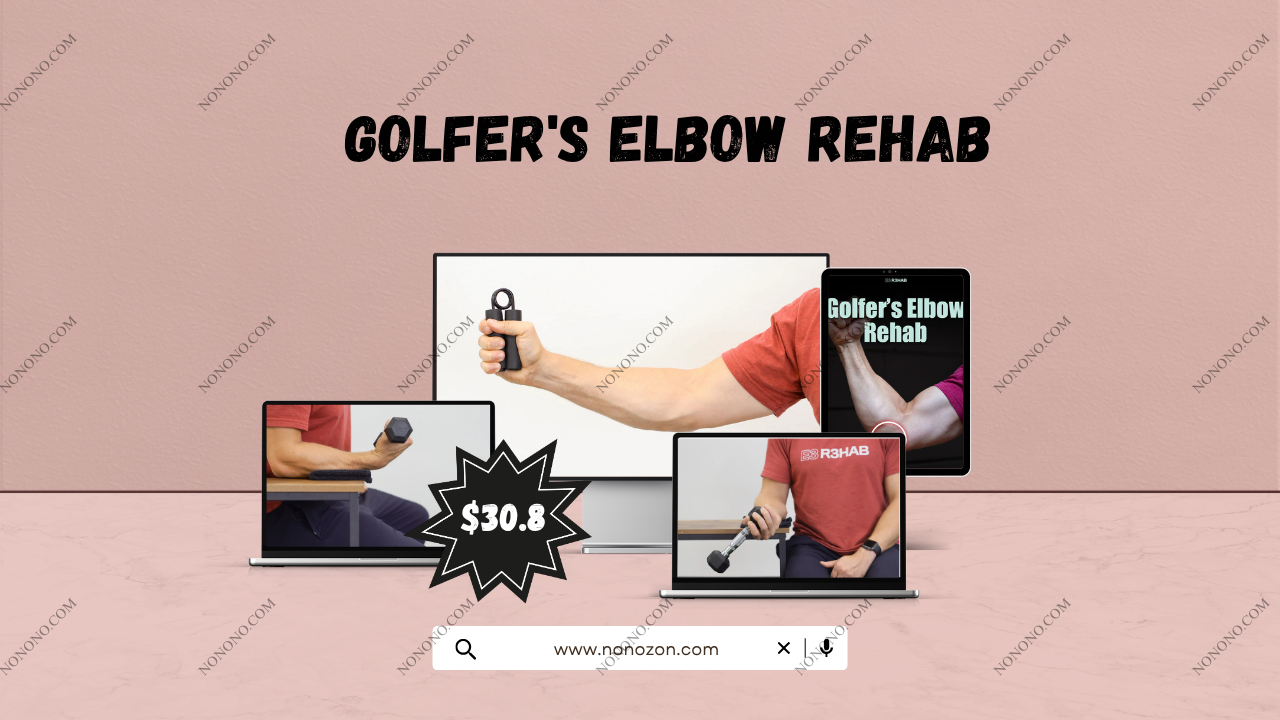
Golfer's Elbow Rehab
by Author
Golfer's Elbow Rehab For Digital Download!
Check Proof of Content here:

1. Rest and Activity Adjustment
One of the initial steps in managing golfer’s elbow is temporary rest and reducing activities that aggravate the condition. Avoiding actions that strain the wrist flexors—such as gripping tightly or lifting heavy objects—gives the tendons time to recover.
If you're active in sports, subtle changes can make a big difference. Golfers may benefit from modifying grip technique or scaling back on intensity. Daily tasks should also be re-evaluated, using the non-dominant arm when possible to distribute workload and limit reinjury risk.
2. Ice and Heat Therapy
Both cold and heat therapy play a role in managing golfer’s elbow, though each is used at different phases:
Ice Therapy: Ideal during the acute phase (first few days to weeks). Apply a cold pack for 15–20 minutes several times daily to reduce inflammation and numb sharp discomfort.
Heat Therapy: Once acute symptoms diminish, applying heat before activity can promote blood flow and ease stiffness. Warm compresses or heating pads are effective tools to prepare muscles for stretching or exercise.
Knowing when to switch between cold and heat is essential for optimizing recovery and comfort.
3. Medication Options
Over-the-counter NSAIDs like ibuprofen or naproxen can reduce pain and inflammation, especially in the early stages of injury. These medications allow patients to perform rehab exercises with greater ease.
Additionally, topical creams and gels may offer localized pain relief with fewer systemic side effects. It’s always best to consult a physician before starting any medication regimen to ensure proper use and dosage.
4. Physical Therapy: A Targeted Approach
Physical therapy remains a cornerstone in the recovery from golfer’s elbow. A licensed therapist will create a personalized plan that targets both flexibility and strength while addressing pain.
Key Therapy Elements:
Stretching Exercises: Focused on lengthening the wrist flexor muscles, these routines improve flexibility and reduce tension on the tendons.
Eccentric Strengthening: These exercises involve lengthening the muscle under tension and are particularly beneficial for tendon healing.
Examples include:Eccentric wrist curls using a light weight
Hammer rotations (pronation/supination) with controlled movement
Manual Therapy: Hands-on techniques like soft tissue mobilization and joint manipulation can relieve pain and improve joint mobility.
Regular PT sessions ensure progress is monitored and adjusted based on symptoms and functional gains.
5. Supportive Devices: Braces and Straps
Wearing a forearm brace or elbow strap can alleviate pressure on the inflamed tendons, especially during daily tasks or light activities. These devices redistribute force away from the injured area, helping reduce pain and prevent further strain.
For optimal results, the brace should be properly fitted—not too tight—and used during activities that typically trigger discomfort. Consulting a therapist or orthopedic specialist can help in selecting the most appropriate brace.
6. Exploring Alternative Therapies
As rehabilitation evolves, some individuals seek alternative therapies to complement conventional treatment. Common modalities include:
Acupuncture or Dry Needling: These can target specific muscle groups and stimulate healing by promoting blood flow and relieving trigger points.
Massage Therapy: Focused soft tissue massage helps reduce muscle tightness and improves circulation, supporting recovery.
While these treatments may provide additional relief, they should be administered by trained professionals and used in conjunction with your core rehabilitation plan.
7. Gradual Return to Activity
Reintroducing activities too quickly can undo progress. A gradual and strategic return to sport or physical work is vital.
Start with:
Light, low-impact movements
Shorter activity durations
Periodic rest intervals
Increase intensity only as tolerated, ensuring no return of pain. For athletes, revisiting technique and using proper equipment (e.g., changing golf grip size or swing mechanics) can reduce future stress on the elbow.
8. Patient Education & Lifestyle Changes
Education is a powerful tool in preventing recurrence. Patients who understand what causes golfer’s elbow and how to manage workload are more likely to avoid reinjury.
Practical lifestyle changes might include:
Ergonomic adjustments at workstations
Frequent breaks during repetitive tasks
Emphasis on balanced training with proper warm-ups and cooldowns
By building awareness and promoting good habits, patients can protect their elbow and support long-term musculoskeletal health.
Conclusion
Recovery from golfer’s elbow is very achievable with the right plan and commitment. A comprehensive rehabilitation strategy—including rest, therapy, exercises, support, and lifestyle adjustments—can significantly reduce symptoms and prevent flare-ups.
While full healing may take several weeks or months, consistent effort and professional support often lead to a full return to daily activities or sports—pain-free and stronger than before. Remember, patience and persistence are your best allies in overcoming golfer’s elbow.