
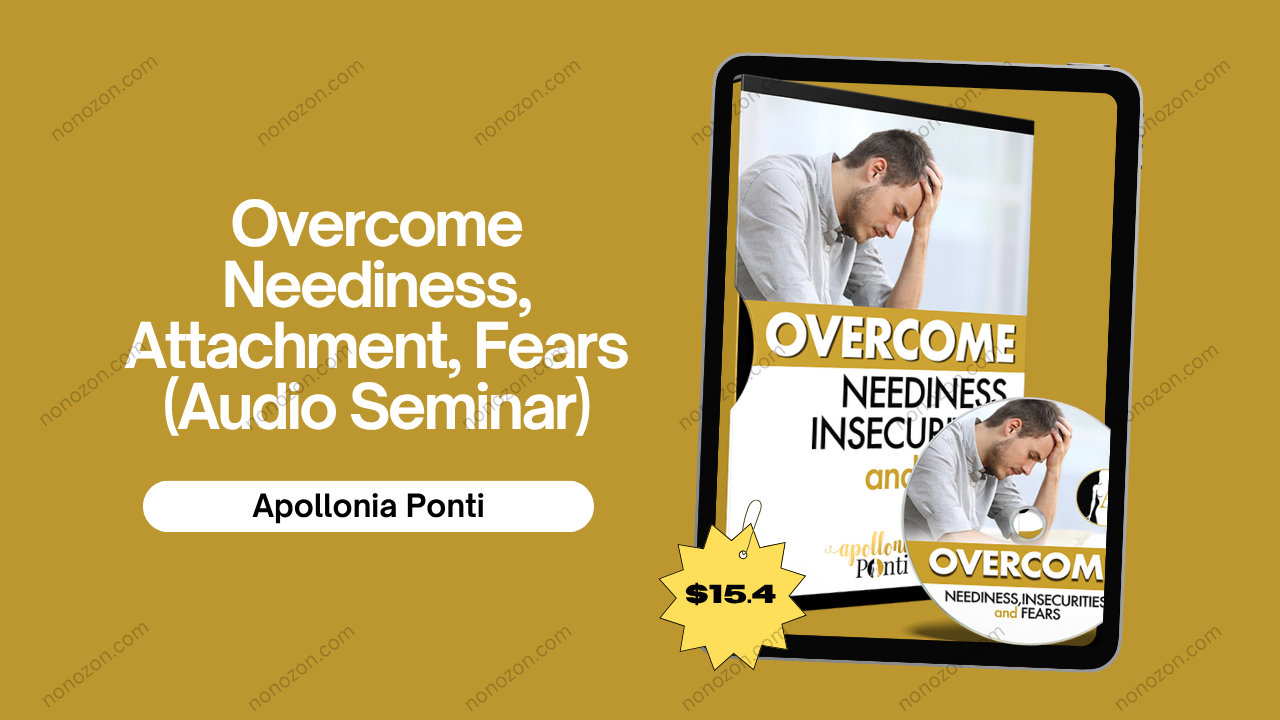
Overcome Neediness, Attachment, Fears (Audio Seminar)
by Apollonia Ponti
Review of Overcome Neediness, Attachment, and Fears (Audio Seminar) by Apollonia Ponti
Check proof of content here:
In the realm of interpersonal relationships, grasping the nuances of neediness, attachment styles, and the fears intertwined with them can be deeply enlightening and transformative. Apollonia Ponti’s audio seminar, Overcome Neediness, Attachment, and Fears, offers a compassionate and accessible roadmap for navigating the turbulent waters of emotional dependency and insecurity—challenges that often complicate even the most promising connections. Through insightful concepts, actionable strategies, and relatable anecdotes, the seminar empowers listeners to cultivate healthier relationships marked by mutual respect, understanding, and emotional resilience.
Understanding Neediness in Relationships
Neediness in relationships is characterized by an excessive or distorted craving for attention, emotional support, and validation from a partner. While a natural desire for closeness exists in all healthy bonds, neediness crosses a boundary where dependency, insecurity, and blurred personal limits begin to undermine the connection.
Key Traits of Neediness:
Excessive Dependence: Needy individuals heavily rely on partners for emotional reassurance, which can cause strain and conflict.
Insecurity and Jealousy: Heightened sensitivity to perceived rejection often leads to irrational jealousy and mistrust.
Poor Boundaries: An inability to respect personal space results in suffocating behaviors.
Lack of Self-Awareness: Many do not recognize their neediness as problematic, assuming their demands are normal.
Emotional Reactivity: Fear-driven behaviors such as controlling tendencies or emotional outbursts are common.
Psychological Impact:
The psychological ramifications of neediness can be profound, affecting both the needy individual and their partner.
- Fear of Abandonment: Neediness often stems from deep-seated fears of being abandoned or unloved. This can lead to a constant cycle of seeking reassurance and validation, which can ultimately repel partners.
- Increased Anxiety and Depression: The emotional turmoil associated with neediness including feelings of inadequacy or anxiety about relationship stability can contribute to mental health struggles, such as depression or heightened anxiety.
- Distorted Relationship Dynamics: Neediness can create a skewed dynamic where one partner feels overwhelmed and the other feels unfulfilled. This imbalance can lead to resentment and frustration, resulting in potential breakups or prolonged dissatisfaction.
Instant Download Overcome Neediness, Attachment, Fears (Audio Seminar) by Apollonia Ponti
Signs of Neediness in Personal Relationships
Recognizing neediness is critical for change. Common signs include:
Excessive clinginess and constant reassurance-seeking
Anxiety and distress over separation or silence
Overanalyzing partner communications for hidden meanings
Possessiveness and jealousy affecting trust
Reliance on a partner for personal happiness and identity
Addressing Attachment Styles and Overcoming Neediness in Relationships
Attachment styles profoundly shape how individuals relate to others and influence the dynamics of interpersonal relationships. Recognizing these styles is crucial for addressing neediness and fostering healthier connections.
Types of Attachment Styles
Secure Attachment: Comfortable with intimacy and independence, individuals with this style have a positive self-image and value close connections.
Anxious-Preoccupied Attachment: Characterized by clinginess and sensitivity to partners’ moods, often leading to fears of abandonment and constant reassurance-seeking.
Dismissive-Avoidant Attachment: Prioritizes independence and emotional distance, often minimizing the importance of relationships, which can leave partners feeling shut out.
Fearful-Avoidant Attachment: Experiences internal conflict between craving closeness and fearing intimacy, leading to emotional turmoil and unpredictable behaviors.
How Attachment Styles Affect Relationships
Understanding these patterns sheds light on emotional responses and relational health.
Secure Attachment: Fosters trusting, balanced relationships with healthy conflict resolution and mutual support.
Anxious-Preoccupied: Can cause relationship strain through overdependence and cycles of anxiety and reassurance-seeking.
Dismissive-Avoidant: May result in emotional distancing and shallow connections, making deep intimacy difficult.
Fearful-Avoidant: Creates volatility and emotional ups and downs, often pushing partners away or causing turbulence.
Strategies for Developing Secure Attachment
Transitioning toward secure attachment can dramatically improve relationship quality:
Self-Awareness: Reflect on your attachment style and recognize insecure patterns.
Building Trust: Cultivate reliability and consistency to create safety.
Open Communication: Share feelings and needs honestly to deepen connection.
Seek Healthy Relationships: Surround yourself with securely attached individuals who model balanced interactions.
Overcoming Fears and Insecurities in Relationships
Addressing fears and insecurities associated with attachment can facilitate the development of healthier relationships.
Common Relationship-Related Fears
Fear of Abandonment: Leads to clinginess and excessive reassurance-seeking.
Fear of Not Being Good Enough: Undermines self-worth and increases anxiety about partner perceptions.
Fear of Intimacy: Often stems from past trauma and causes avoidance of emotional closeness.
Fear of Rejection: Inhibits honest emotional expression and authenticity.
Techniques to Manage Relationship Anxiety
Mindfulness: Helps regulate anxious thoughts and emotional responses.
Open Communication: Discuss fears openly to reduce misunderstandings.
Self-Compassion: Treat yourself kindly to build positive self-esteem.
Challenging Negative Thoughts: Identify and counteract harmful self-talk.
Maintaining Independence: Balance individuality and partnership to sustain emotional stability.
Building Confidence to Overcome Fears
Recognize Personal Strengths: Keep a list of qualities to boost self-esteem.
Learn to Trust Yourself: Cultivate inner trust to navigate relational challenges.
Set Healthy Boundaries: Communicate limits clearly to create safe relationship spaces.
Therapeutic Support: Seek therapy or attend seminars, such as those by Apollonia Ponti, for deeper guidance.
Transformational Insights from Apollonia Ponti’s Seminar
Apollonia Ponti's audio seminar emphasizes key strategies and insights that empower individuals to overcome neediness, attachment issues, and fears.
Key Takeaways
Self-Awareness Practices: Techniques like journaling and mindfulness enhance emotional intelligence by revealing triggers and patterns.
Overcoming Neediness: Learn to identify and modify unhealthy attachment behaviors to foster emotional independence.
Confronting Fears: Face vulnerabilities related to intimacy with resilience-building strategies.
Actionable Techniques: Gain practical tools for communication, confidence-building, and boundary-setting.
Community Support: Connect with others who share similar experiences to enhance growth and accountability.
Personal Growth Practices
Journaling: Regularly reflecting on emotions supports greater self-understanding.
Mindfulness: Increases awareness of emotional responses for better decision-making.
Feedback: Constructive input from trusted people provides perspective on growth.
Therapeutic Support: Professional help can facilitate addressing deeper emotional challenges.
Success Stories from Participants
Individuals applying these strategies report improvements in relationships and well-being, including:
Setting clear personal goals inspired by the seminar.
Integrating journaling, therapy, and boundary-setting practices.
Engaging in continuous reflection to realign growth objectives.
Finding strength through community involvement.
Implementing Change After the Seminar
Establishing a personal action plan is vital for applying the insights gained from the seminar and continuing personal growth.
Creating a Personal Action Plan
Identify Goals: Define specific areas of growth based on seminar insights.
Plan Strategies: Develop actionable steps such as journaling or therapy participation.
Evaluate Progress: Regularly assess and adjust your plan to stay aligned with your goals.
Establishing Healthy Relationship Boundaries
Self-Awareness: Clarify your needs and values to know where boundaries are needed.
Clear Communication: Express boundaries respectfully and clearly.
Consistency: Maintain boundaries and address violations promptly to uphold respect.
Sustaining Growth Through Reflection
Journaling: Track feelings and boundary-related experiences.
Mindfulness: Increase awareness of triggers and emotional responses.
Feedback: Seek input on how your boundaries are perceived.
Professional Guidance: Use therapy or coaching to strengthen boundary-setting and manage fears.
Community and Resources
Community Support Networks: Essential Resources for Personal Growth and Emotional Health
The Importance of Support Networks
Emotional Well-Being: Being connected to a community strengthens emotional resilience and fosters personal growth, helping to alleviate feelings of isolation.
Networking Opportunities: Support networks create spaces to meet others who can offer valuable insights and open doors for professional development.
Resource and Knowledge Sharing: Communities facilitate the exchange of tools, advice, and knowledge, empowering individuals to reach their goals.
Skill Enhancement: Collaborative interactions within support networks contribute to the development of both personal and professional skills.
Recommended Books and Resources
The Art of Community by Jono Bacon: Offers practical guidance for building thriving online and offline communities.
Community: The Structure of Belonging by Peter Block: Explores strategies for creating inclusive and vibrant communities.
Building Communities of Practice: Focuses on the value of collaborative learning environments among professionals.
Online Platforms: Sites like Meetup provide access to local and virtual groups centered on shared interests and growth objectives.
Online Communities and Continued Learning Opportunities
Online Learning Platforms: Offer courses and webinars focused on soft skills, emotional intelligence, and relationship dynamics.
Professional Learning Networks (PLNs): Platforms such as LinkedIn support networking and collaborative learning.
Workshops and Courses: Websites like Coursera host a wide variety of personal development and emotional intelligence workshops.
Community Seminars: Participating in local community events helps build support networks and addresses personal growth challenges.
Apollonia Ponti’s audio seminar, Overcome Neediness, Attachment, and Fears, equips listeners with essential tools and insights to foster healthier, more fulfilling relationships. By actively engaging with the material, creating personalized action plans, and embracing ongoing growth through community support and educational resources, individuals can profoundly transform their relational experiences. Personal growth is a continuous journey requiring dedication and self-reflection, but with the right strategies and support, it can lead to meaningful transformation and deeper understanding.
Related products
Empower Your Life Through Vocal Awareness®
by Arthur Samuel Joseph
$349.00
$61.60
The Ultimate Rebellion Against Darkness & Despair
by Andrew Harvey
$349.00
$61.60