Self-Defense
by Moy Yat
Get Self-Defense by Moy Yat Digital Download!
You can check proof of content here
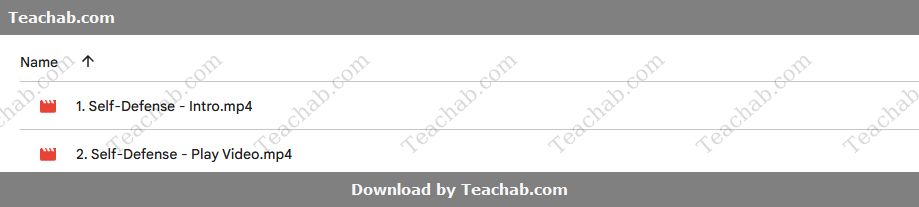
Download immediately Self-Defense by Moy Yat
Overview
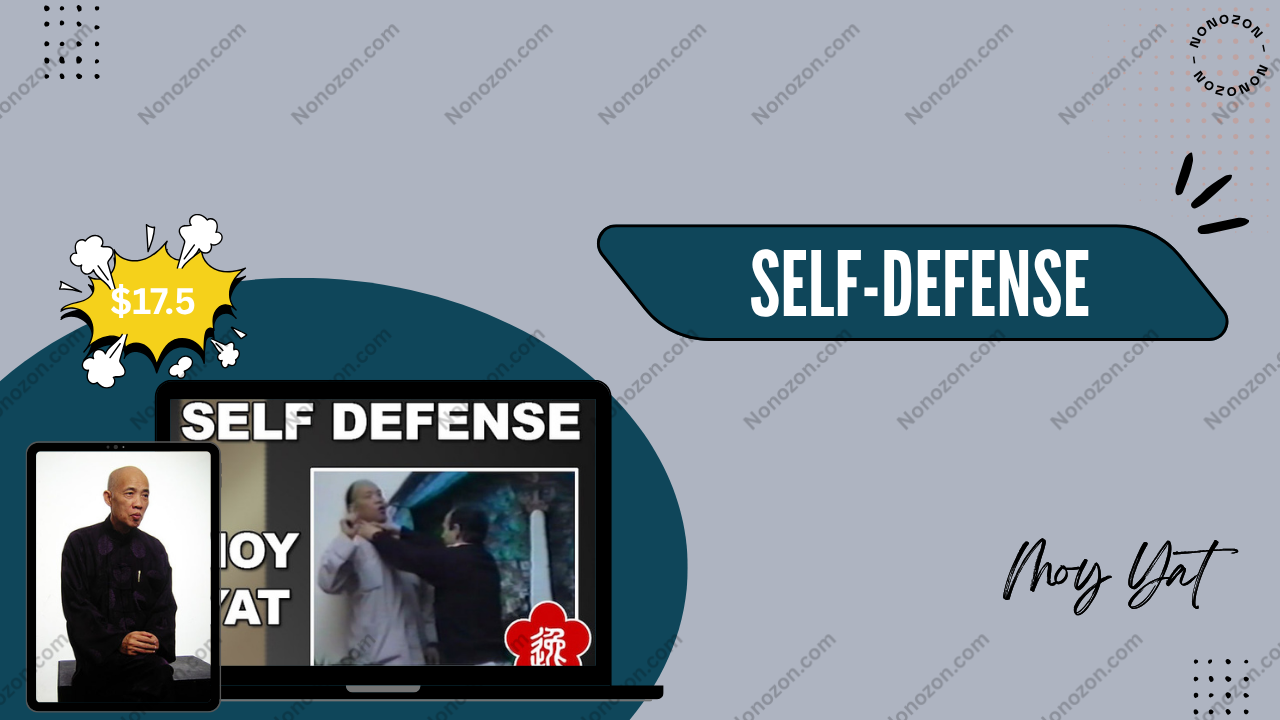
Exploring Moy Yat’s Self-Defense Teachings: A Practical Approach to Personal Protection
Self-defense remains an essential life skill, one that should be accessible and effective for individuals of all backgrounds, regardless of their physical attributes or prior martial arts experience. Within this landscape, Grandmaster Moy Yat’s interpretation of the Ving Tsun (Wing Chun) system stands out for its direct, efficient, and highly applicable methods of dealing with real-world threats.
This review examines Moy Yat’s practical self-defense philosophy, the core techniques he teaches, and how his system empowers individuals to protect themselves through intelligent, adaptable training rooted in time-tested martial principles.
The Heart of Moy Yat’s Method: Efficiency and Calm Under Pressure
Central to Moy Yat’s philosophy is the notion that effective self-defense must be simple, direct, and grounded in reality. His approach to Ving Tsun prioritizes immediate, reflexive responses in close-contact situations. One of the foundational principles is the ability to attack and defend simultaneously—a concept that saves precious moments in high-pressure encounters.
Rather than wasting time on exaggerated blocks or retreating movements, practitioners are taught to close the gap and counter in the same motion. This dual-action strategy reinforces decisiveness and keeps the practitioner mentally alert, helping to manage fear or hesitation in a confrontation.
Another distinctive element in Moy Yat’s system is the emphasis on staying relaxed, even under duress. While adrenaline might naturally trigger tension, students are trained to remain fluid and composed. This relaxed state enhances speed, precision, and control—all of which contribute to the ability to respond effectively in unpredictable situations.
Foundations of the Ving Tsun System
Moy Yat’s self-defense teaching rests on a handful of key principles that define the Ving Tsun approach and make it especially suitable for real-world use:
Efficiency in Technique: Movements are streamlined to achieve maximum effect with minimal effort. There is no wasted energy.
Close-Quarters Relevance: Most real-life altercations occur at short distances, and Ving Tsun’s focus on in-fighting ensures practical solutions for such encounters.
Body Structure Mechanics: By learning to generate power through proper alignment and posture, even smaller individuals can execute powerful strikes and maintain control.
Integrated Flow: Techniques are not practiced in isolation. One movement naturally transitions into the next, creating a continuous and adaptive response to threats.
These principles combine to form a self-defense system that’s not only logical but also immediately applicable for learners of all levels.
Repetition as a Tool for Mastery
Moy Yat placed great importance on repeated practice—a method not only to build proficiency but also to hardwire reflexes. Students engage in structured drills that simulate real-world attacks, gradually internalizing the appropriate reactions through consistent repetition.
This approach cultivates instinctive responses, so that in the heat of an encounter, the body doesn’t hesitate. Instead, it moves confidently and automatically. As drills become second nature, students find themselves responding to threats with increasing clarity and speed.
The repetition also reinforces critical self-defense values:
Confidence: Familiarity with movements builds assurance in one’s ability to respond effectively.
Technical Precision: Continuous refinement leads to cleaner, more reliable techniques.
Functional Fitness: Training contributes to strength, coordination, and endurance, enhancing overall physical well-being.
Individualized Progress Through Adaptive Training
Unlike rigid systems that impose the same technique on every student, Moy Yat’s method allows for flexibility. Self-defense isn’t a one-size-fits-all practice—what works for one person might need to be adjusted for another’s size, temperament, or mobility.
This personalized mindset ensures that each student develops a practical and sustainable skill set. Training adapts to the individual, not the other way around, making it more accessible and effective in the long term.
A Breakdown of Core Techniques and Concepts
Within Moy Yat’s self-defense framework, several important techniques and training areas stand out:
Simultaneous Striking and Blocking: Developing the capacity to defend while attacking optimizes reaction time and neutralizes threats quickly.
Footwork and Balance: Effective movement prevents vulnerability. Practitioners learn to position themselves advantageously while avoiding entrapment.
Joint Control and Takedowns: Techniques such as locks and throws provide tools for subduing larger or more aggressive opponents with minimal risk.
Heightened Awareness: A critical skill in any self-defense scenario, situational awareness helps students detect and avoid danger before it escalates.
These elements work together to create a well-rounded system that extends beyond physical moves. The training builds mental sharpness, confidence, and a proactive mindset essential for managing confrontational situations.
Bringing Theory into Practice
Perhaps the most compelling aspect of Moy Yat’s teachings is their direct applicability to real-life scenarios. His method isn’t confined to the classroom or dojo; it prepares practitioners to handle actual threats with composure and skill.
Consider these examples of how Ving Tsun training translates into the real world:
Close-proximity street conflicts: The ability to stay calm and deliver fast, accurate counters proves invaluable in tight, unpredictable altercations.
Surprise attacks: By emphasizing spatial awareness and reflex training, students are less likely to be caught off guard and more likely to respond effectively.
Multiple opponents: Techniques for rapid disengagement, targeting vital areas, and strategic movement help create openings for escape or defense.
Over the years, numerous students have shared personal accounts of applying these principles successfully in threatening situations. These stories highlight not just physical effectiveness but also the confidence and mental clarity that Ving Tsun training instills.
Expanding Access to Moy Yat’s Teachings
Today, Moy Yat’s legacy continues through a global network of schools, instructors, and online platforms. His knowledge is no longer limited to those who trained with him directly—thanks to recorded lectures, books, and digital communities, his methods remain available to new generations of learners.
Students seeking to study his self-defense approach can tap into a wealth of resources:
Video Instruction: Online seminars and archival footage featuring Moy Yat and his top students provide visual demonstrations of key techniques and concepts.
Printed Works: Books and manuals offer detailed breakdowns of forms, strategies, and philosophical insights into the art.
Community Forums: Practitioners worldwide exchange experiences, ask questions, and support one another’s growth, extending the spirit of the Moy Yat lineage.
These accessible tools allow students to train on their own terms, integrating Ving Tsun principles into their personal schedules and goals.
Final Reflection
Moy Yat’s approach to self-defense, rooted in the Ving Tsun tradition, offers a remarkably practical and intelligent system for real-world protection. His teachings go beyond mere technique—they emphasize awareness, structure, and responsiveness, all of which prepare students to meet conflict with capability rather than fear.
By focusing on essential principles like simultaneous defense and attack, structural efficiency, and fluid adaptation, Moy Yat created a training model that is both accessible and profound. Whether you’re new to martial arts or an experienced practitioner seeking a deeper understanding of self-defense, his system provides a path toward personal empowerment and resilience.
Ultimately, what makes Moy Yat’s self-defense approach so enduring is its honesty. It doesn’t promise invincibility—it promotes readiness. It doesn’t rely on brute force—it cultivates strategic action. In this way, his teachings continue to offer invaluable lessons for anyone committed to becoming stronger, safer, and more self-aware in a complex world.