
Sexual Confidence: Building Your Self-esteem in & out of the Bedroom
by Luna Matatas
Sexual Confidence: Boosting Self-Esteem in and Beyond the Bedroom By Luna Matatas
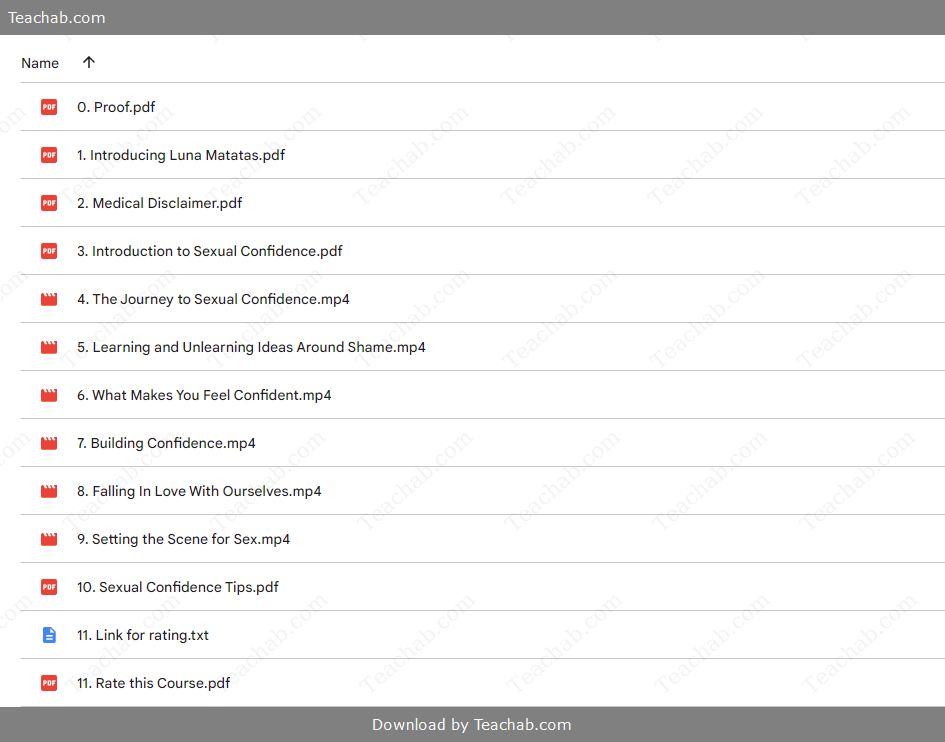
Check proof, now:
Sexual confidence is a deeply empowering quality that contributes significantly to overall self-esteem and emotional well-being. It transcends physical intimacy and instead centers on accepting your sexuality, embracing your desires, and asserting your boundaries with confidence and joy. Often, the energy we bring to our sexual relationships mirrors how we view our self-worth. Strengthening this type of confidence can lead to more meaningful intimate relationships and a richer, more contented life. This in-depth guide explores the dimensions of sexual confidence and offers practical strategies to nurture both self-esteem and sexual satisfaction, within and outside the bedroom. Drawing from insights by experts like Luna Matatas, we’ll explore how to cultivate confidence through body positivity, education, mindfulness, self-love, and community support.
Understanding Sexual Confidence
Sexual confidence can be compared to a flower blossoming in the right conditions. Just as flowers thrive with sunlight and nourishment, confidence in one’s sexuality grows through nurturing a positive connection with your body, desires, and relationships. Feeling at ease with yourself extends far beyond sex — it influences daily interactions and how you view yourself.
At its essence, sexual confidence is anchored in three main pillars: body positivity, self-acceptance, and open communication. Body positivity means valuing your physical self, creating a strong foundation for feeling worthy of pleasure. Self-acceptance is about honoring your sexual identity and embracing what excites you. Clear communication is equally vital — being able to express boundaries and desires promotes emotional safety and strengthens intimacy.
Understanding these elements offers a roadmap to building sexual confidence. Research suggests that individuals who actively foster a positive self-image often report greater satisfaction in their sex lives. Because these components are so interconnected, nurturing them together leads to more holistic growth and more rewarding intimacy.
Importance of Sexual Confidence
The impact of sexual confidence reaches far beyond the bedroom. It enhances the depth of romantic relationships and strengthens one's self-image.
- Enhanced Intimacy: When people feel secure in their sexuality, they tend to experience deeper emotional and physical connections. Confidence encourages vulnerability, which opens the door to more gratifying and meaningful sexual experiences.
- Boost in Self-Esteem: Sexual confidence strongly correlates with self-worth. Feeling in tune with your sexual identity and desires can reduce insecurities and support mental well-being.
- Stronger Communication: Confident individuals tend to speak more openly about their needs. This leads to healthier conversations about consent, boundaries, and pleasure — creating safer and more enjoyable sexual encounters.
- Reduced Sexual Anxiety: Building sexual confidence helps ease worries about performance or appearance, freeing individuals to enjoy intimacy with fewer distractions or stressors.
Developing sexual confidence can lead to profound changes. Many who actively commit to this journey report enhanced emotional health and greater fulfillment in their relationships.
Factors That Shape Sexual Confidence
Many influences contribute to sexual confidence, and understanding them allows individuals to take meaningful steps forward.
- Body Image: How you perceive your body greatly affects your willingness to be sexually vulnerable. Positive body image supports intimacy, while negative self-image can trigger shame and discomfort.
- Psychosocial Influences: Cultural conditioning, past experiences, and societal messaging can all affect how confident a person feels about sex. Trauma or rigid beauty standards can distort self-worth and sexual identity.
- Self-Esteem and Acceptance: Strong self-worth helps individuals embrace their desires with less self-judgment. Promoting positive self-talk can uplift sexual confidence significantly.
- Emotional Connection: Feeling emotionally secure with a partner often boosts the ability to express sexual needs. Trust and emotional safety enhance sexual freedom.
- Learning and Experience: Over time, discovering your preferences and communicating them effectively fosters sexual self-assurance.
- Health and Wellness: Physical and sexual health impact body image and sexual identity. Understanding bodily changes and limitations can help individuals manage insecurities and stay connected to their sexuality.
Recognizing these influences helps uncover the complex layers of sexual confidence. Focusing on areas like emotional intimacy and body acceptance offers a path toward deeper connection and personal growth.
Body Image and Its Role in Sexual Confidence
How individuals see and feel about their bodies greatly affects their sense of sexual self-assurance. A positive self-view can enhance openness and satisfaction in intimate settings.
People who feel confident in their appearance are often more relaxed and present during sexual encounters. Conversely, negative body image can fuel anxiety and restrict self-expression. Research consistently shows that those who feel good about their bodies also report more fulfilling sexual relationships.
The Power of Body Positivity
Body positivity is essential when it comes to cultivating sexual confidence. This movement promotes the acceptance of all body types and works to dismantle unrealistic standards of beauty. Here’s why it matters:
- Self-Compassion: Body positivity teaches self-kindness and helps people nurture a healthy relationship with their appearance and sexuality.
- Challenging Beauty Norms: It encourages rejecting narrow definitions of beauty, helping individuals reshape their beliefs around attractiveness and worth.
- Confidence in Choices: Feeling good about your body leads to greater autonomy in sexual decisions, including setting boundaries and asking for what you want.
- Mental Health Benefits: People who engage in body-positive practices often report lower anxiety levels and greater confidence.
By embracing body diversity and practicing acceptance, individuals create space for greater sexual freedom and confidence.
Steps to Improve Body Image
Enhancing body image is an intentional process that builds appreciation and respect for yourself. Below are a few helpful techniques:
Affirmations: Repeat empowering statements like “I respect my body” or “My body deserves love and pleasure.”
Movement That Feels Good: Engage in activities that help you feel connected to your body, such as dancing or stretching.
Filter Your Feeds: Follow body-positive influencers and eliminate content that promotes harmful body standards.
Mindful Self-Exploration: Get to know your body through sensual, non-judgmental self-touch and observation.
Supportive Communities: Spend time with people and groups that celebrate body diversity and acceptance.
These practices help shift negative perceptions, build self-esteem, and ultimately enhance sexual confidence.
Self-Love and Acceptance
True sexual confidence is rooted in the ability to fully accept and love yourself. This includes embracing your unique qualities, treating yourself with kindness, and building a healthy inner dialogue.
Why Self-Love Matters
Emotional Health: Self-love helps reduce anxiety and strengthens emotional resilience.
Relationship Quality: When you accept yourself, you're less reliant on others for validation, which improves relationship dynamics.
Boosted Confidence: A strong sense of self-worth enhances how you express your sexuality.
Emotional Safety: Feeling secure in who you are makes it easier to open up sexually without fear of rejection.
Ways to Foster Self-Love
Daily Affirmations: Use mantras that reinforce your strengths and values.
Self-Care Routines: Dedicate time to soothing rituals that support your physical and mental health.
Mindfulness Practice: Stay present with your thoughts and feelings without judgment.
Gratitude Journaling: Reflect on what you appreciate about yourself regularly.
Healthy Boundaries: Practice saying no and honoring your emotional and sexual limits.
These tools empower you to treat yourself with the love and respect needed to feel confident in all aspects of life — including sexuality.
How Self-Love Enhances Sexual Confidence
The link between self-love and sexual confidence is undeniable. Those who nurture self-love often find themselves:
Feeling More Comfortable: Confidence in your body and self-worth leads to greater ease in intimate settings.
Communicating Better: When you understand and respect your needs, you're more able to articulate them to your partner.
Breaking Through Shame: Loving yourself helps silence negative internal voices that undermine pleasure and self-expression.
Embracing Exploration: Self-love gives you permission to explore your desires without fear or guilt, leading to more satisfying experiences.
Ultimately, self-love allows people to engage in intimacy from a place of power and authenticity.
Silencing Negative Self-Talk
Inner criticism can be a major barrier to confidence. Addressing and challenging this negativity is essential to building a more supportive internal world.
How to Reframe Negative Thoughts
Notice Patterns: Identify when and why negative thoughts arise. Journaling can be a helpful tool.
Flip the Script: Replace harmful thoughts with empowering alternatives. For example, shift “I’m not attractive” to “My body is unique and beautiful.”
Challenge Beliefs: Ask yourself whether the thought is true, helpful, or kind.
Practice Compassion: Remind yourself that imperfection is part of being human.
Visualize Positivity: Picture yourself acting confidently and with ease during intimate moments.
Empowering Affirmations
“I am worthy just as I am.”
“I have the right to pleasure.”
“My body is lovable and strong.”
“My desires are natural and valid.”
“I express my needs with clarity and courage.”
Replacing internal criticism with these affirmations supports emotional resilience and builds a solid foundation for sexual confidence.
Sexual Self-Esteem
Sexual self-esteem refers to how individuals assess their value and worth in sexual contexts. It’s a complex concept closely tied to overall self-esteem, influencing how confidently people navigate intimate situations.
Connection Between General and Sexual Self-Esteem
Interrelation: General self-esteem lays the groundwork for sexual self-esteem. A strong sense of personal value often leads to a healthier sexual self-image.
Perception and Assurance: When people view themselves as attractive or desirable, they typically approach intimacy with more confidence.
Influence of Experiences: Past sexual experiences—positive or negative—shape how people feel about themselves sexually. Supportive encounters tend to foster higher sexual self-worth.
Critical Development Periods: Adolescence plays a vital role in shaping sexual self-esteem. Encouraging messages during this stage can set the foundation for a more confident sexual identity in adulthood.
Understanding the interplay between general and sexual self-esteem helps individuals develop both areas, leading to richer and more fulfilling relationships.
Key Experiences That Shape Sexual Self-Esteem
- Body Image: How one feels about their physical appearance significantly affects sexual self-perception. Negative body image can result in shame or avoidance during intimacy.
- Sexual History: Past encounters, particularly traumatic or unsatisfying ones, may contribute to fear or self-doubt, while uplifting experiences can reinforce confidence.
- Cultural Influence: Societal standards of beauty, often amplified by media, can distort personal perceptions and diminish sexual self-worth.
- Clear Communication: The capacity to express boundaries and desires strengthens sexual self-esteem. Understanding and practicing consent promotes a sense of agency.
Awareness of these contributing factors allows individuals to address and improve their sexual self-esteem, cultivating healthier sexual experiences.
Ways to Boost Sexual Confidence
Building sexual confidence takes time, intentionality, and consistent practice. Consider these key approaches:
Mindfulness and Presence During Sexual Experiences
Practicing Mindfulness: Use breathing techniques and sensory awareness to stay present during intimacy, deepening connection.
Setting the Mood: A calm, distraction-free environment enhances focus and comfort. Adjusting lighting and eliminating interruptions can create a more inviting atmosphere.
Emotional Intimacy: Strengthen emotional bonds through open conversations. Honest expression helps build trust and closeness.
Embracing Healthy Sexual Practices
Clarifying Boundaries: Be clear about your preferences and limitations. Healthy sexual connections are built on mutual respect and agreement.
Self-Exploration: Discover what brings you pleasure. Understanding your body empowers you to communicate confidently with partners.
Educational Opportunities: Join workshops on sexual wellness and intimacy. Experts like Luna Matatas offer practical guidance for building sexual confidence.
Empowerment Through Education
Knowledge is a powerful catalyst for improving sexual confidence. Being informed helps individuals navigate intimacy with greater clarity and assurance.
How Sexual Education Elevates Confidence
Building Self-Efficacy: Learning about sexuality and health boosts decision-making skills in intimate relationships.
Reducing Misconceptions: Understanding the body and sexual dynamics helps dispel anxiety and confusion.
Encouraging Positive Behavior: Educational resources promote communication, healthy boundaries, and respectful interactions.
Helpful Learning Resources
Books and Workshops: Tools like “Building Your Self-Esteem In & Out of the Bedroom” and Luna Matatas’ courses offer practical strategies for growth.
Online Learning Platforms: Explore certified courses covering topics such as sexual empowerment, consent, and relationship dynamics.
Community Education: Local events and workshops provide accessible avenues to discuss and learn about sexual wellness.
Education equips individuals with the confidence to create and maintain satisfying, informed intimate lives.
Fostering Supportive Connections
Surrounding yourself with understanding and encouraging people can significantly enhance your sense of sexual self-worth.
How Community Support Builds Confidence
Shared Understanding: Connecting with others who have similar experiences brings comfort, validation, and insight.
Access to Experts: Therapists and group settings offer a secure space to explore concerns and develop strategies for improvement.
Positive Encouragement: A circle of supportive people fosters growth, acceptance, and emotional safety.
When to Seek Professional Help
Specialized Therapy: Sexual health professionals can help individuals work through insecurities and build a healthier self-concept.
Support Groups: Group participation offers a sense of belonging and a platform to exchange stories and strategies for healing and confidence.
Professional and peer support can be instrumental in overcoming personal obstacles and nurturing lasting confidence in one's sexual identity.
Recognizing and Celebrating Progress
Celebrating personal achievements, no matter the size, reinforces growth and confidence in your sexual journey.
Reflecting on Personal Development
Assessing Your Journey: Take time to look back on progress made in your intimate life. Acknowledging these shifts reinforces self-respect.
Goal Setting: Identify goals related to sexual expression and confidence—whether it’s communicating better, trying something new, or deepening emotional intimacy.
Sharing Success: Discuss milestones with trusted individuals. Sharing reinforces your achievements and invites further connection.
Establishing Confidence-Boosting Goals
Use SMART Goals: Set goals that are Specific, Measurable, Achievable, Relevant, and Time-bound to keep you on track.
Celebrate Small Wins: Break goals into smaller actions, and reward progress along the way.
Communicate Openly: Practice clear and honest conversations about desires. This strengthens emotional and physical intimacy with partners.
Recognizing your growth and planning future goals keeps you engaged in your development and inspires continued self-confidence.
Conclusion
Developing sexual confidence is a layered process that touches all aspects of emotional and relational life. By exploring self-esteem, body image, education, and community, individuals can make intentional choices that support their growth. Engaging with knowledgeable educators like Luna Matatas, leveraging professional resources, and fostering supportive networks all contribute to cultivating a more confident and authentic sexual self. Ultimately, honoring your sexual identity and celebrating your journey brings deeper fulfillment, greater intimacy, and lasting self-assurance.
Related products

From Rejected to Respected: 40 Secrets to Unlock Her Attraction and Keep Her Interested
by Tony Lear Talks
$27.00
$15.40