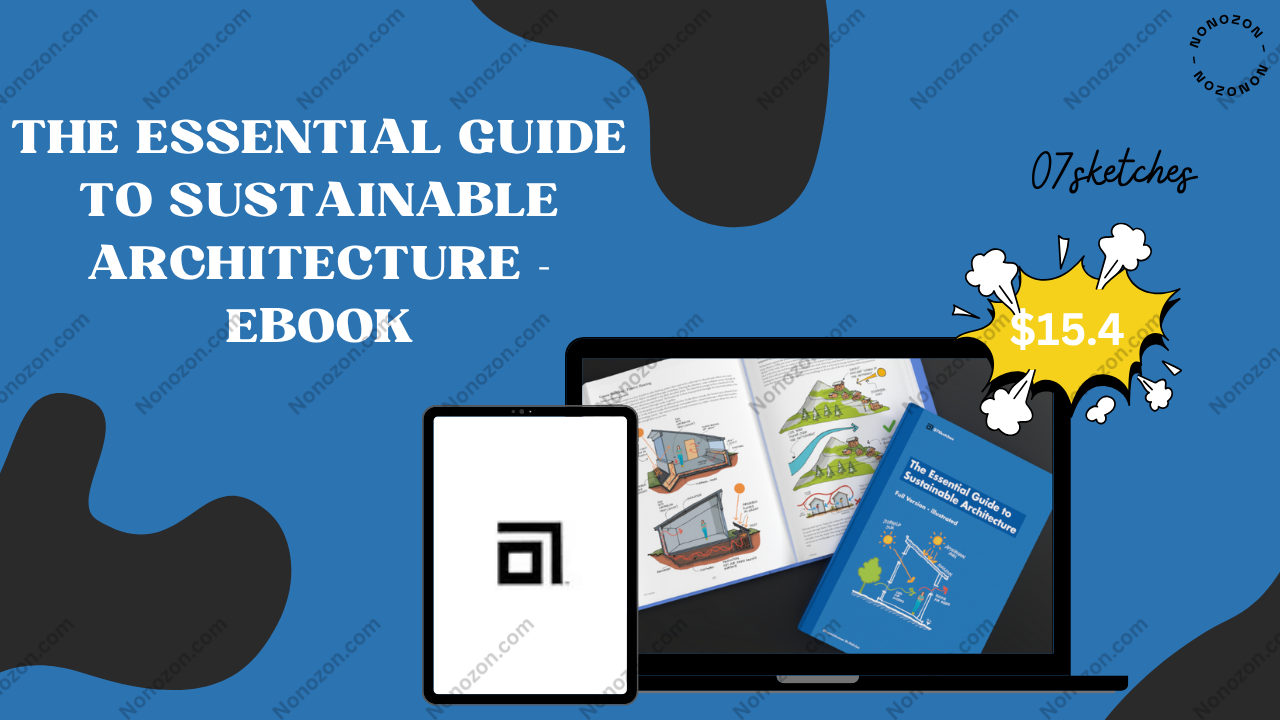
The essential guide to sustainable architecture - Ebook
by 07sketches
Get The essential guide to sustainable architecture - Ebook by 07sketches Digital Download!
You can check proof of content here

Download immediately The essential guide to sustainable architecture - Ebook by 07sketches
Overview
A Closer Look at The Essential Guide to Sustainable Architecture by 07Sketches
In an era defined by environmental urgency, sustainable architecture has become more than just a design trend — it’s an essential response to climate change. The Essential Guide to Sustainable Architecture, an eBook by 07Sketches, stands out as a thoughtfully crafted resource aimed at architects, designers, and sustainability advocates who want to make a real impact. With over 100 pages of expert insights and beautifully rendered illustrations, this guide provides a compelling blend of theory and application that helps readers reimagine construction in harmony with the planet.
Whether you’re a practicing architect or just starting out in eco-conscious design, this guide presents an accessible and visually engaging way to understand the principles of sustainable building and how to put them into action.
Core Principles of Green Design
At its core, the eBook delivers a foundational understanding of sustainable architecture through a series of key themes. These include energy efficiency, environmentally responsible material choices, and designing for community wellbeing. What makes the book especially useful is its ability to turn complex theories into actionable design steps.
For instance, readers are introduced to passive design strategies — techniques that use building orientation, thermal mass, and natural light to minimize energy consumption without sacrificing comfort. The eBook also emphasizes the importance of material selection, discussing modern alternatives like bamboo, recycled steel, and low-VOC finishes, which not only lower environmental impact but also offer aesthetic and performance benefits.
By focusing on both ecological and experiential quality, the guide equips readers to make more thoughtful decisions at every stage of the design process.
Implementing Practical Sustainability
Understanding sustainability is one thing; applying it in real-world projects is another. This guide shines by offering a wide range of practical techniques that support more efficient and eco-conscious construction. A full section is dedicated to renewable energy integration, with clearly outlined solutions for making buildings more self-sufficient.
Renewable Energy Techniques Covered:
Solar Panels: Photovoltaic systems that harness sunlight to generate electricity.
Wind Turbines: On-site wind generation for supplemental energy.
Geothermal Heating and Cooling: Leveraging the earth’s temperature to regulate indoor climates.
Rainwater Harvesting: Systems to collect and reuse rainwater for non-drinking purposes.
These options are presented in a user-friendly format that helps readers assess which systems are feasible for their specific projects. By promoting a shift from energy dependence to self-reliance, the eBook empowers designers to move toward long-term sustainability.
Reducing Waste and Designing for Circularity
Another core theme is waste reduction — a pillar of sustainable construction often overlooked in mainstream practice. The eBook encourages designing with end-of-life considerations in mind, introducing the idea of design for disassembly, which allows buildings to be modified, reused, or taken apart without generating excessive waste.
Strategies like pre-construction waste audits, salvaging materials, and setting up on-site recycling initiatives are clearly explained. These measures promote a circular economy mindset, where value is retained and resources are preserved instead of discarded.
Real-World Case Studies That Inspire
To bridge theory and practice, the guide includes a curated selection of case studies that highlight successful green architecture from around the world. Each project is chosen to demonstrate how principles from the eBook translate into tangible results.
Notable Examples:
Bullitt Center (Seattle, USA): A net-zero commercial building known for advanced rainwater and solar systems.
The Edge (Amsterdam, Netherlands): Celebrated for intelligent systems that balance energy efficiency and workplace productivity.
Bosco Verticale (Milan, Italy): A striking vertical forest that reinvents residential living with integrated plant life.
These examples serve as aspirational models, showing that sustainability can coexist with innovation, beauty, and function.
Visual Learning with Over 150 Illustrations
What sets this guide apart is its rich visual design. With more than 150 diagrams, sketches, and architectural renderings, readers are given a vivid view into the mechanics and aesthetics of sustainable design. These visuals aren’t just decorative — they help demystify complex topics like energy flow, building systems, and material layering.
For visual learners, the inclusion of clearly labeled illustrations enhances comprehension and sparks creative thinking. These elements make the guide approachable, even for those new to the field.
Actionable Advice: Dos and Don’ts
To further ground the material in everyday practice, the eBook includes a well-organized section on what to prioritize — and avoid — when embarking on a sustainable building project.
Key Dos:
Engage the Community: Center local input and needs in the design process.
Protect Natural Resources: Choose materials and technologies with long-term environmental benefits.
Design for Change: Create flexible spaces that can adapt over time.
Key Don’ts:
Ignore Local Codes: Sustainable design must still meet legal and regulatory standards.
Cut Corners on Materials: Cheap “green” materials may underperform or deteriorate quickly.
Overlook Maintenance: Systems like solar or geothermal require ongoing care to remain effective.
This advice is practical, easy to reference, and drawn from real-world challenges, offering readers an honest look at what sustainable design truly entails.
Final Thoughts
The Essential Guide to Sustainable Architecture by 07Sketches offers an engaging, in-depth resource for anyone passionate about green building. By balancing conceptual depth with actionable insight, the eBook equips readers to not only understand but implement sustainable design strategies in their work.
With compelling visuals, practical checklists, and global case studies, this guide serves as both an educational tool and a source of inspiration. Whether you’re a practicing architect, student, or environmentally minded builder, this book delivers the clarity and motivation needed to design spaces that respect both people and planet.
By reading and applying the lessons within, you’re not just learning architecture — you’re participating in the shift toward a regenerative and resilient future.