
Detailed Examination of Moy Yat’s Chum Kiu Training Video
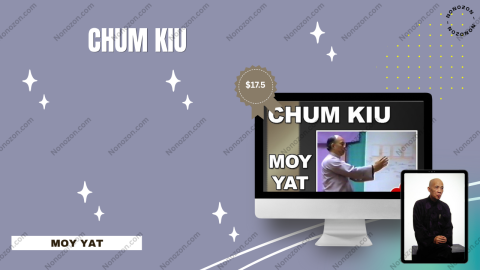
Moy Yat’s Chum Kiu instructional video, titled “Seeking the Bridge,” offers a profound exploration of one of Wing Chun’s core forms. Far more than a straightforward demonstration, this 58-minute video captures the teachings and legacy of Moy Yat, one of Wing Chun’s most influential masters. It carefully unpacks the essential techniques and nuances of the Chum Kiu form, making it an indispensable tool for students ranging from beginners to advanced practitioners. Featuring rare footage of Moy Yat himself, the video provides a unique opportunity to observe his teaching approach and methodology firsthand.
Chum Kiu centers on the integrated movement of the body, hands, and stance, emphasizing the importance of timing, balance, and adaptability during combat. The video breaks the form into three primary sections, each aimed at developing vital physical attributes for effective fighting. By focusing on the fist, horse stance, and waist, the training cultivates instinctive coordination and fluidity, enhancing a practitioner’s ability to respond naturally and efficiently in a fight.
Understanding the Core Philosophy of Chum Kiu
At its heart, Chum Kiu is more than just a set of movements; it embodies foundational principles essential to Wing Chun mastery. Many Wing Chun experts, including Sifu Benny Meng—who contributed instructional content bridging Volumes 3 and 4 of the Chum Kiu series—agree that this form acts as a crucial stepping stone for advancing in Wing Chun.
The form trains practitioners to engage their entire body in delivering strikes and defenses, sharpening timing and balance—two key components that influence effectiveness in real combat. Beyond physical execution, Chum Kiu nurtures mental acuity, helping practitioners develop tactical awareness and strategic thinking during engagements.
Key Components of the Chum Kiu Form
Three-Part Structure: The form is divided into three progressive sections, each building upon the skills developed in the previous one to foster seamless technique integration.
Fist Focus: Dedicated to perfecting striking techniques and hand positioning.
Horse Stance Development: Builds strength and stability in the lower body to support powerful movements.
Waist Mobility: Encourages fluid, controlled movements critical for maintaining balance and delivering efficient attacks.
Dynamic Reflex Training: Teaches practitioners to instinctively adjust their techniques in response to their opponent’s actions.
Philosophical Depth: Explores the deeper meaning behind each movement, helping students grasp their purpose within the wider Wing Chun system.
This video excels not only in practical demonstration but also in providing context, combining physical drills with philosophical understanding to deliver a holistic martial arts education.
Moy Yat’s Instructional Approach
A highlight of the video is Moy Yat’s distinctive teaching style, known for its clarity and accessibility. He skillfully breaks down complex techniques into understandable segments, making them approachable for learners at all levels. His emphasis on conceptual clarity aids students in grasping the fundamental Wing Chun principles underlying each movement.
Mindfulness is another cornerstone of his instruction. Moy Yat encourages practitioners to cultivate an awareness of their bodies and motions, deepening their connection with the material and promoting personal growth through thoughtful practice. His method blends hands-on technique with reflective inquiry, inviting learners to engage both physically and intellectually.
Practitioner Feedback and Endorsements
Reviews from the Wing Chun community highlight several consistent themes:
Thorough Instruction: Students praise the video for its comprehensive coverage of the Chum Kiu form, calling it a solid foundation for newcomers.
Effective Teaching: Moy Yat’s ability to communicate intricate concepts in a clear, concise manner earns widespread respect.
Practical Combat Use: Many practitioners report successful application of the techniques during sparring and real-life encounters.
Collectively, these testimonials reinforce the video’s reputation as a training resource that goes beyond mere demonstration to offer deep, applicable knowledge.
Real-World Use and Combat Readiness
The Chum Kiu form’s techniques prove invaluable in actual combat scenarios due to their adaptability and integration of movement, timing, and balance. Key practical benefits include:
Defensive Counters: The form enhances a practitioner’s ability to anticipate and respond effectively to attacks.
Positioning Control: Mastery of movement helps control engagement distances, facilitating better offensive and defensive maneuvers.
Confidence Building: Thorough understanding and execution of the form increase a student’s confidence and combat readiness.
Effective Study Methods for Mastery
To maximize the benefits of Chum Kiu training, students should consider the following strategies:
Regular Repetition: Consistent practice reinforces muscle memory, essential for automatic, instinctive responses.
Reflective Practice: Taking time to review sessions deepens comprehension and highlights areas for improvement.
Collaborative Learning: Training alongside peers fosters motivation and offers opportunities for shared insights and feedback.
By incorporating these approaches, practitioners can deepen their mastery and fully appreciate the significance of Chum Kiu in their Wing Chun journey.
Conclusion: The Enduring Importance of Moy Yat’s Chum Kiu Video
In closing, Moy Yat’s Chum Kiu instructional video stands as an essential resource for Wing Chun students eager to enrich their technical skills and philosophical understanding. By weaving together detailed technique breakdowns with insightful explanations, it offers a balanced and comprehensive learning experience. Serving as a gateway to more advanced Wing Chun elements, the video deserves a spot in any martial artist’s collection. It not only supports the development of physical proficiency but also fosters a deeper appreciation for the art’s foundational principles, enriching both the body and mind on the path of martial mastery.