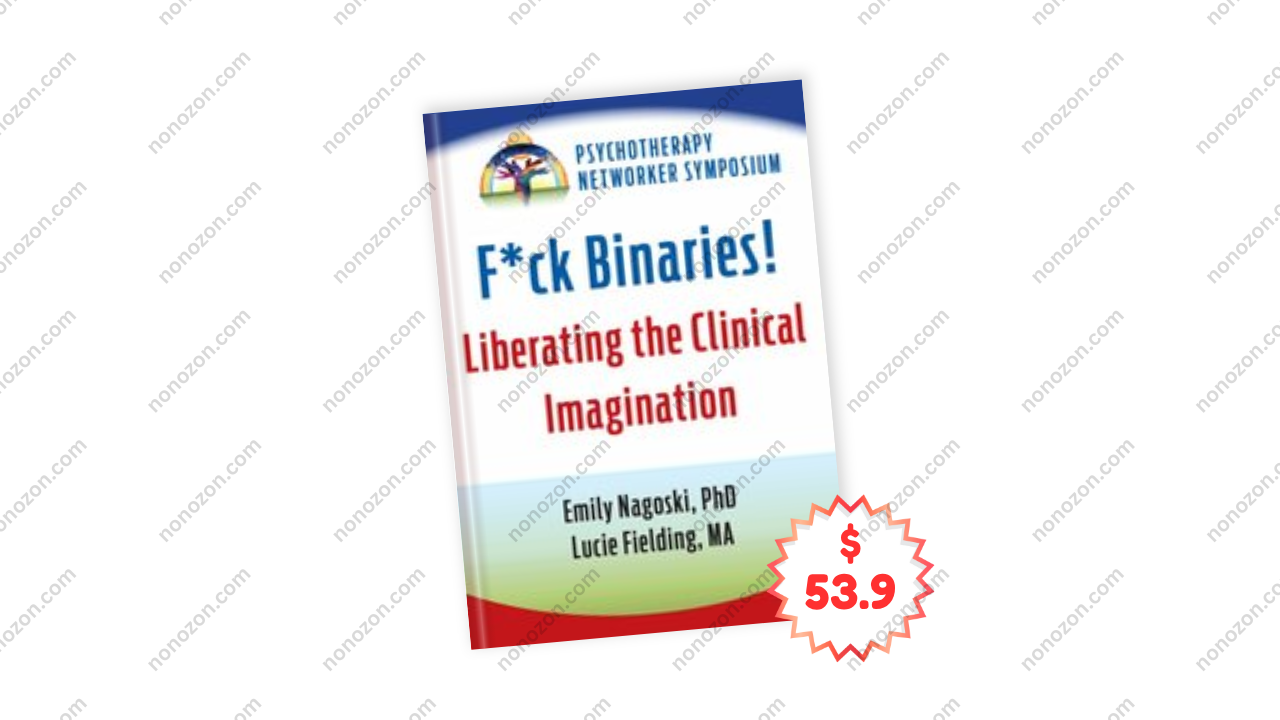
F*ck Binaries!: Liberating the Clinical Imagination
by Emily Nagoski & Lucie Fielding
Get F*ck Binaries!: Liberating the Clinical Imagination by Emily Nagoski & Lucie Fielding Digital download!
Check proof of content here:
F*ck binaries!: Liberating the Clinical Imagination - A Detailed Review
Introduction
In today’s evolving understanding of human identity and sexuality, conventional binary models often fail to fully encompass the diverse realities individuals experience. The seminar titled Fck binaries!: liberating the clinical imagination*, co-facilitated by esteemed experts Emily Nagoski and Lucie Fielding, tackles this critical issue through groundbreaking therapeutic methods. This in-depth program inspires mental health practitioners to move beyond rigid masculine/feminine and normal/abnormal divisions, promoting a more inclusive and expansive view of sexuality. Join us as we examine the seminar’s key ideas, therapeutic approaches, and its transformative effect on clinical practice.
Challenging Binary Constructs
At the heart of this seminar lies the mission to break down the binary frameworks that heavily influence social understandings of gender and sexuality. Such binaries limit individual development and restrict therapists’ ability to deliver meaningful care. Nagoski and Fielding invite participants to critically reconsider these dichotomies and their negative consequences for both clients and clinicians.
Embracing Nuance in Sexual Identity
The seminar facilitators lead participants through conversations that reveal how binary perspectives can hinder the recognition and validation of individual sexual identities. For instance, simplistic labels like "normal" versus "abnormal" overlook the complex and multifaceted nature of human sexual experience. This platform encourages therapists to appreciate their clients’ nuanced identities, thereby enhancing therapeutic success and fostering deeper self-acceptance.
Through guided dialogue, attendees explore how binary thinking constrains their clinical imagination. These insights inspire a shift toward approaches that emphasize expansive identity exploration, moving beyond mere problem-solving.
Somatic and Pleasure-Centered Interventions
A highlight of Fck binaries!* is its focus on somatic and pleasure-oriented techniques. Nagoski and Fielding advocate for methods that cultivate bodily awareness and celebrate pleasure as integral to therapy. This bodily focus enables clients to authentically and freely engage with their desires and identities.
Techniques to Support Exploration
The seminar provides clinicians with diverse tools designed to nurture a safe space for clients to explore sexuality beyond binary limitations. These include:
Somatic exercises: Practices aimed at increasing bodily connection and awareness.
Visualization exercises: Guided meditations encouraging reflection on how social norms influence sexuality and identity.
Pleasure-centered discussions: Safe, nonjudgmental spaces for clients to articulate their desires and experiences.
By integrating these interventions, therapists can facilitate client growth, promoting individuality and liberation beyond binary constraints.
Addressing Societal Constructs and Their Impact
Another core element is the exploration of broader societal forces like colonialism and white supremacy that reinforce restrictive binary thinking. Nagoski and Fielding challenge participants to understand how these systemic factors shape sexuality and desire, especially within marginalized communities.
Unpacking Systemic Influences
This examination deepens awareness of the complex links between societal power structures and personal identity. For example, colonial history has shaped Western norms around masculinity and femininity, dictating which identities gain legitimacy or respect. Therapists learning this context are better prepared to develop inclusive practices honoring diverse client backgrounds.
Participants are encouraged to critique how these constructs limit clinical creativity and to integrate sexual liberation with principles of equity and justice. This comprehensive perspective equips clinicians to address the many layers influencing their clients’ sexual experiences.
The Importance of Erotic Liberation and Queer Futurities
Nagoski and Fielding stress the importance of erotic freedom and queer futurities in therapy. These ideas empower practitioners to imagine new sexual possibilities beyond traditional frameworks. Incorporating such concepts helps therapists cultivate environments that celebrate varied sexual expressions.
Building a Foundation for Liberation
The seminar provides a robust framework supporting therapists in fostering erotic liberation. Moving beyond identity validation alone, the presenters encourage active exploration of clients’ sensual and sexual worlds. This holistic engagement validates desires and inspires journeys outside normative boundaries.
Additionally, queer futurities invite therapists to envision and co-create liberated sexual landscapes, encouraging innovative, client-centered practice. This forward-looking stance helps practitioners collaborate with clients to rediscover identities in uniquely affirming ways.
Practical Takeaways for Mental Health Professionals
Fck binaries!* is designed to offer practical, actionable strategies for mental health professionals. Emphasizing trauma-informed, inclusive approaches, Nagoski and Fielding deliver insights suited to a wide range of clinicians, including psychologists, marriage and family therapists, and social workers.
Key Insights to Implement
Embrace fluidity in identity: Avoid binary labels and support clients’ unique self-understandings.
Promote open conversations about desires: Create a safe environment for clients to explore sexuality freely.
Utilize somatic methods: Integrate body-based techniques to deepen clients’ connection with their physical and emotional selves.
These approaches can transform therapeutic relationships, allowing clinicians to engage with complexity and nuance more effectively.
Conclusion
In conclusion, the Fck binaries!: liberating the clinical imagination* seminar offers more than a critique of binary systems—it is an essential resource for professionals eager to deepen their understanding of sexuality within clinical work. By questioning traditional norms and embracing broader identity spectrums, Nagoski and Fielding equip therapists with tools to foster genuinely inclusive and liberatory spaces. This seminar is invaluable for any clinician committed to honoring the full richness of human sexual experience.
Related products

Intensive Course in Emotionally Focused Therapy Attachment-based interventions for couples in crisis
by Sue Johnson
$519.00
$69.30
F*ck Binaries!: Liberating the Clinical Imagination
by Emily Nagoski & Lucie Fielding
$129.00
$53.90