Healing From Sexual Abuse And Reproductive Trauma
by Tanya Zajdel
Healing from Sexual Abuse and Reproductive Trauma
Check proof of content here:
Healing from sexual abuse and reproductive trauma is an intricate and deeply personal journey. It often unfolds across emotional, psychological, and physical dimensions, requiring patience, compassion, and a supportive environment. Survivors frequently face persistent challenges that can impact relationships, self-worth, and overall wellness. Drawing from Tanya Zajdel’s therapeutic insights, this article explores multidimensional approaches to healing—emphasizing the power of support networks, somatic healing, and self-care as pathways toward reclaiming identity, autonomy, and well-being.
Understanding the Impact of Sexual Abuse
To fully grasp the impact of sexual abuse, one must recognize its far-reaching consequences on mental, emotional, and physical health. Survivors may carry the weight of trauma for decades, with effects often surfacing in unexpected ways throughout life.
Emotional Repercussions of Sexual Trauma
The emotional toll of sexual abuse can be profound and enduring. Many survivors struggle with anxiety, depression, and post-traumatic stress disorder (PTSD). Studies reveal that symptoms of trauma—such as depression—may not manifest until 9 to 11 years after the initial abuse, particularly in cases of childhood sexual abuse (CSA). Additionally, survivors are approximately 2.5 times more likely to attempt suicide than those without a history of abuse.
Relationship challenges are also common, as trust issues may obstruct emotional intimacy. Some survivors engage in promiscuity as a coping mechanism, which can perpetuate cycles of revictimization. Emotional distress often leads to physical symptoms such as chronic pain, digestive disorders, and reproductive complications.
Effective healing involves understanding these emotional consequences and creating therapeutic environments where survivors feel safe to process their trauma and rebuild their emotional foundation.
Physical Effects of Reproductive Trauma
Reproductive trauma introduces a unique set of physical challenges, often connected to past sexual abuse. Survivors may encounter chronic pelvic pain, sexual dysfunction, and gynecological complications. Research indicates a higher incidence of sexually transmitted infections (STIs) among this group, frequently due to interrupted or inadequate reproductive care stemming from trauma.
The body often holds onto trauma, leading to a feedback loop where physical pain reinforces emotional suffering and vice versa. These overlapping symptoms can obstruct recovery if not addressed in an integrated fashion.
Acknowledging the mind-body link is essential. Holistic treatment plans that recognize both physical symptoms and psychological wounds are critical to true healing. Tanya Zajdel emphasizes that comprehensive care models are most effective in addressing these multi-layered effects.
Long-Term Psychological Effects
The psychological aftermath of sexual abuse can linger well into adulthood. Survivors are at increased risk for PTSD, depression, anxiety disorders, and borderline personality disorder. These conditions often present through emotional instability, dissociation, shame, and persistent guilt.
Many internalize distorted beliefs about their worth, which can sabotage relationships and personal growth. Some turn to substance use to numb emotional pain, potentially leading to further trauma and compounding mental health challenges.
To counteract these patterns, trauma-informed therapy must target harmful narratives and help survivors develop healthier coping mechanisms. Licensed professionals are instrumental in guiding individuals through this difficult terrain, fostering clarity, empowerment, and restored identity.
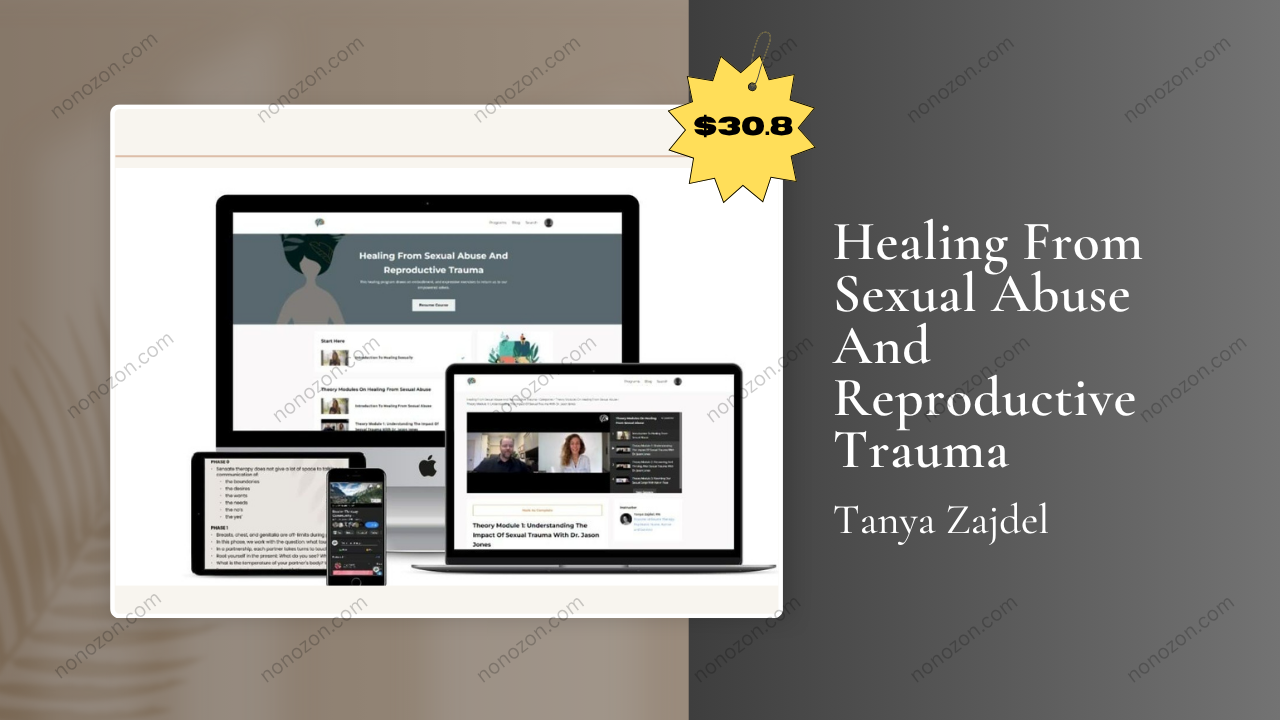
Instant Download Healing From Sexual Abuse And Reproductive Trauma by Tanya Zajdel
Therapeutic Approaches to Recovery
Tanya Zajdel advocates for healing frameworks that address both psychological and somatic dimensions. A blend of cognitive and body-based therapies often provides the most effective pathway to recovery.
Body-Based Healing Practices
Somatic healing plays a pivotal role in trauma recovery. These practices aim to release trauma stored in the body and re-establish a sense of safety. Modalities such as yoga, expressive movement, and somatic experiencing support survivors in reconnecting with their physical selves.
Evidence suggests that somatic therapies improve outcomes for survivors of sexual trauma by promoting embodiment and emotional regulation. Practices like trauma-informed yoga help individuals process emotions in a grounded, non-verbal way, while restoring a sense of agency and control.
Combining these body-centered methods with cognitive therapy offers a balanced and integrative route to healing.
Somatic Therapy and Body Awareness
Somatic therapy views the body as a vital vessel for processing trauma. It addresses how stress and trauma imprint themselves physically—often beyond conscious awareness. This modality helps survivors identify and release stored tension and learn to feel safe in their bodies again.
Tools like breathwork, body scanning, and mindfulness techniques empower survivors to recognize triggers and manage physiological responses. These techniques also encourage present-moment awareness and create new associations between safety and bodily presence.
Understanding that trauma is more than a mental imprint—it's a full-body experience—helps validate survivors’ struggles and guide them toward holistic transformation.
The Role of Neuroplasticity in Trauma Healing
Neuroplasticity, the brain’s ability to rewire itself, offers hope to survivors seeking long-term recovery. Through consistent therapeutic practices—especially those involving mindfulness, movement, and emotional processing—new neural pathways can form that support healthier responses to past trauma.
Survivors can cultivate emotional resilience by learning to self-regulate and respond to distress with self-compassion. Zajdel underscores that the integration of body-based practices with cognitive therapies fosters deeper healing by targeting both brain and body.
Healing becomes not just about surviving trauma, but reshaping one's inner world to thrive beyond it.
Building a Support System
Recovery from trauma rarely occurs in isolation. A compassionate and dependable support system can be a crucial pillar of healing.
Choosing Safe and Supportive Relationships
Survivors need relationships rooted in trust, respect, and emotional safety. Key qualities to look for include:
Reliability and empathy: Supportive individuals consistently show up with kindness and without judgment.
Non-invasiveness: Healthy relationships allow survivors to set boundaries and retain autonomy.
Empowerment: True allies encourage personal growth and validate the survivor’s voice and choices.
This support can come from therapists, trusted friends, family members, or peer groups. Online communities and local support networks also serve as vital outlets, although discernment is important in digital spaces.
Professional Mental Health Support
Engaging with trained professionals provides survivors with structured, trauma-informed care. Therapists can tailor approaches based on the survivor’s needs—whether through individual sessions, expressive arts therapies, or group workshops.
Participation in trauma-specific programs fosters insight, resilience, and a sense of shared experience. Mental health professionals also serve as anchors, guiding survivors through overwhelming emotions and helping them reclaim agency over their lives.
Community Resources and Peer Groups
Community-based organizations offer accessible support, from educational resources to advocacy services and therapy referrals. Trauma recovery groups often provide safe forums for survivors to share stories, foster connection, and experience collective healing.
Online support forums can also be beneficial, especially for individuals who lack local resources. However, survivors should be mindful of potentially triggering or unmoderated content.
Despite societal stigma or familial resistance, building a robust support system remains foundational to healing and empowerment.
Self-Care Strategies for Trauma Survivors
Sustainable recovery is deeply supported by intentional self-care. These practices help survivors regulate emotions, reduce stress, and re-establish connection with themselves.
Practicing Mindfulness and Meditation
Mindfulness techniques help survivors anchor themselves in the present, reducing the grip of traumatic memories. Practices like breath awareness, body scans, and loving-kindness meditations can alleviate anxiety, enhance emotional regulation, and foster inner peace.
Research supports mindfulness as a beneficial tool for decreasing symptoms of PTSD and depression, while increasing self-awareness and emotional resilience.
Journaling as Emotional Release
Journaling offers a non-judgmental space for survivors to express and explore their inner experiences. It supports emotional release, deepens self-awareness, and enables individuals to track progress over time.
By identifying recurring thought patterns and confronting difficult emotions in writing, survivors can gain clarity and reaffirm their personal narratives.
Nutrition and Embodied Healing
Nutrition is often overlooked in trauma recovery but plays a vital role in mental and physical wellness. Consuming a diet rich in whole foods, antioxidants, and omega-3 fatty acids can improve mood and cognitive function.
Staying hydrated and engaging in mindful eating practices also help survivors tune into their bodies and develop healthier relationships with nourishment—an act of reclaiming bodily autonomy.
Reclaiming Sexuality and Intimacy
Reclaiming sexuality and intimacy in the aftermath of trauma is a profound and necessary journey for many survivors. Addressing the impacts of trauma on intimate relationships is critical in fostering healthy connections and self-acceptance.
Rebuilding Trust in Sexual Relationships
Rebuilding trust in sexual relationships forms the cornerstone of reclaiming intimacy. Survivors often grapple with feelings of fear, shame, and anger following their experiences, which can hinder their ability to form healthy connections. Recognizing that healing is a personal journey, individuals might engage with exercises designed to reinforce a sense of safety and validate their emotions.
Practices that emphasize clear communication about boundaries help foster an environment of trust and respect. Gradual exposure to intimacy allows individuals to reclaim their sense of control and gradually navigate their comfort levels as they engage with others.
Addressing Shame and Guilt
It is vital for survivors to address feelings of shame and guilt as they work towards healthier intimate relationships. Understanding where these feelings originate can help individuals reframe negative thoughts and beliefs. Therapies, such as cognitive-behavioral therapy (CBT), can facilitate this reframing process, providing a safe space for expression and exploration.
Self-compassion practices, peer support, and community engagement are influential in diminishing the stigma often linked to sexual trauma. Sharing experiences within safe environments can help survivors regain a sense of connection and belonging.
Techniques for Healthy Intimacy
Techniques for fostering healthy intimacy include establishing open communication and exploring individual desires and boundaries. Survivors can engage in activities that build emotional intimacy, laying a strong foundation for physical intimacy.
By integrating practices that reconnect the mind and body, such as breathwork and yoga, individuals can foster a sense of agency and reclaim a loving relationship with their bodies. Education on consent and sexual health can empower survivors and help foster confidence in their intimate relationships.
Through these multifaceted approaches, survivors can navigate their paths towards reclaiming their sexuality and intimacy in fulfilling and healthy ways.
Empowerment through Education
Education serves as a significant tool in promoting resilience and fostering healing from trauma. Workshops and online resources provide valuable information aimed at empowering individuals who have experienced sexual abuse or reproductive trauma.
Workshops and Online Resources
Workshops focused on empowering education often cover topics pertinent to trauma recovery, such as emotional intelligence, coping strategies, and personal development. Facilitated by professionals, these workshops provide participants with tools necessary for nurturing self-esteem and resilience.
Online resources have expanded access to educational content and can include webinars, virtual workshops, and information portals that guide individuals through healing practices and community resources. This flexible format accommodates individual needs, enabling survivors to take control of their recovery pathways.
Understanding Consent and Personal Boundaries
Understanding consent and personal boundaries is critical in empowering individuals seituated in educational contexts. Consent education teaches the importance of mutual agreement and respect in all interactions, including intimate relationships, while enhancing emotional safety.
Reproductive health education addresses knowledge regarding bodily autonomy, contraception, and sexually transmitted infections, which empower individuals to make informed decisions about their sexual health. Resources focusing on these aspects affirm survivors’ rights and bolster their agency in navigating their recovery and rebuilding their sense of self.
Transformative Healing Journeys
Transformative healing journeys for survivors involve personal narratives highlighting resilience and recovery post-trauma. Tanya Zajdel's work illustrates the importance of storytelling in validating experiences while empowering individuals to embrace their healing processes.
Personal Stories of Healing and Resilience
Survivors' narratives often serve as valuable sources of inspiration for others traversing similar paths. The acknowledgement of trauma is pivotal, helping survivors articulate their experiences and emotional landscapes. Through confronting their challenges, individuals frequently cultivate renewed identity and empowerment.
Case Studies on Effective Recovery Practices
Integrating effective recovery practices such as trauma-focused cognitive-behavioral therapy (TF-CBT) and EMDR facilitates survivors’ ability to process trauma and develop healthier coping responses. The initial stages of recovery often require addressing feelings of shame while fostering self-acceptance and compassion-focused interventions.
Inspirational Figures in Trauma Recovery
Inspirational figures like Tara Brach and Oprah Winfrey highlight their journeys of healing, advocating for mental health awareness, accessibility to care, and resilience. Their narratives emphasize the value of community support, therapy, and self-care as essential in the healing journey.
In conclusion, effective recovery practices encompass diverse therapeutic methods, engaging with inspirational narratives, and fostering supportive community connections. By embracing the multifaceted nature of healing, survivors can embark on transformative journeys towards empowerment, recovery, and reclaiming their lives after trauma. Tanya Zajdel’s work profoundly enhances our understanding and offers valuable insights into the pathways towards healing from sexual abuse and reproductive trauma.