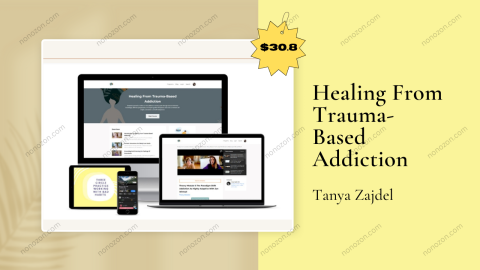
Healing From Trauma-Based Addiction
by Tanya Zajdel
Healing From Trauma-Based Addiction by Tanya Zajdel
Check proof of content here:
In her enlightening work, "Healing from Trauma-Based Addiction," Tanya Zajdel dives deep into the intricate relationship between trauma and addiction. Many individuals grappling with addiction often find their struggles rooted in unresolved traumatic experiences. Zajdel effectively illustrates how the emotional pain from trauma can drive individuals toward substance use as a coping mechanism. This reliance on substances can, in turn, exacerbate the trauma, creating a vicious cycle that is difficult to escape. Understanding this connection is crucial not only for mental health professionals but also for individuals seeking recovery and healing. Zajdel's approach emphasizes a holistic view of addiction treatment, recognizing that true recovery involves addressing underlying trauma while simultaneously working through substance use disorders. This comprehensive understanding serves as the foundation for her therapeutic strategies, making her work indispensable for those navigating the complex world of trauma and addiction.
Understanding the Connection Between Trauma and Addiction
The connection between trauma and addiction cannot be overstated. Trauma can significantly predispose individuals to develop substance use disorders (SUD) as many may resort to substance use as a coping mechanism to alleviate emotional pain associated with traumatic experiences. This interplay creates a complex relationship where addiction and trauma exacerbate each other, leading to worsened outcomes for affected individuals.
Research indicates a high prevalence of trauma among individuals with addiction issues. For example, studies suggest that those who have experienced Adverse Childhood Experiences (ACEs) are more likely to face substance use problems in later life. ACEs, which include various forms of abuse, neglect, and household dysfunction during childhood, can lead to changes in an individual’s neurobiology and coping strategies. This connection highlights the importance of addressing trauma in any effective treatment plan for addiction.
Importantly, Zajdel emphasizes the need for trauma-informed care that recognizes how trauma impacts an individual's ability to cope and the role this plays in their substance use. An understanding that many individuals suffering from addiction have experienced profound trauma is essential in designing treatments that do not re-traumatize clients. This holistic approach is increasingly recognized as a best practice in the realm of addiction recovery, calling for a nuanced understanding of the data surrounding trauma and its relationship with addiction.
Ultimately, recognizing the intertwined nature of trauma and addiction is essential for fostering effective treatment methodologies. As Zajdel and other experts argue, recovery cannot merely focus on abstaining from substances; it must also prioritize deep emotional healing to break the cycle of addiction altogether.
Exploring the Neurological Links
The relationship between trauma and addiction extends into the realm of neurobiology, where changes in brain structure and function following trauma can profoundly impact behavior and emotional regulation. When an individual experiences trauma, particularly in childhood, it can lead to alterations in critical brain regions, including the amygdala, hippocampus, and prefrontal cortex. The amygdala, responsible for processing emotions such as fear and anxiety, may become hyperactive in response to trauma, leading to heightened stress responses and emotional dysregulation.
Moreover, research indicates that traumatic stress can create imbalances in neurotransmitter systems, particularly those involving dopamine and norepinephrine. Dopamine, which plays a crucial role in the brain's reward system, can become dysregulated, leading individuals to seek substances as a way to restore balance and achieve a sense of reward. This cycle can quickly spiral out of control, as the temporary relief provided by substances often comes with significant side effects, both physically and psychologically.
The neurological implications of trauma reveal a deeper understanding of why certain individuals turn to substances as a coping mechanism. For someone who has experienced a traumatic event, the immediate effects can often lead to an overwhelming desire for relief, which substances may deceptively offer. However, this reliance can further complicate recovery efforts as it masks the underlying issues that need to be addressed.
In her work, Zajdel emphasizes the necessity for therapeutic approaches that integrate understanding both trauma and SUD in treating individuals. By addressing the neurobiological aspect of trauma, practitioners can develop more effective interventions that not only target addiction behavior but also explore the deep-seated emotional wounds. Techniques such as neurofeedback therapy or medications that help stabilize neurotransmitter levels may be beneficial in this regard.
Ultimately, understanding the neurological links between trauma and addiction provides a holistic perspective in treatment. By considering the biological underpinnings alongside psychological factors, clinicians can develop a comprehensive treatment plan that addresses the multifaceted nature of recovery.
Instant Download Healing From Trauma-Based Addiction by Tanya Zajdel
The Role of Adverse Childhood Experiences (ACEs)
Understanding the role of Adverse Childhood Experiences (ACEs) is vital in the context of trauma-based addiction. Defined as stressful or traumatic events occurring during childhood, ACEs can include various forms of abuse, neglect, and household dysfunction. Research suggests that ACEs are alarmingly prevalent, with over 60% of adults reporting at least one ACE and about 17% reporting four or more. These experiences are consistently linked to increased susceptibility to substance use disorders in later life.
The mechanisms underlying the relationship between ACEs and addiction largely involve trauma responses and maladaptive coping strategies. Children who experience ACEs may develop negative coping mechanisms as a means to manage their emotional distress. In many cases, this leads to substance use as a form of self-medication or a way to escape their painful memories.
Chronic stress associated with ACEs can alter an individual's neurobiology, particularly affecting brain regions involved in reward, impulse control, and emotional regulation. This is why individuals with a history of trauma often turn to drugs or alcohol as a way to alleviate anxiety, depression, or emotional pain. Repeated substance use can, unfortunately, reinforce these maladaptive behaviors, thereby perpetuating a cycle of addiction.
In reviewing Zajdel's work, it becomes evident that addressing the root causes of trauma is essential for effective recovery from addiction. Recovery programs incorporating trauma-informed care principles recognize and address the impact of trauma on an individual's substance use. This holistic approach creates safe environments, builds trust, and empowers individuals to cope with their trauma through healthier channels rather than resorting to substance use.
The interplay between ACEs, trauma responses, and addictive behaviors forms a complex web that significantly contributes to the cycle of addiction. This emphasizes the need for focused interventions that address both trauma and substance use issues concurrently. The insights from research illustrate the importance of understanding these connections to facilitate effective healing and recovery.
Mechanisms of Coping: Trauma Responses and Addictive Behaviors
Understanding the mechanisms of coping regarding trauma responses and addictive behaviors unveils the psychological intricacies of addiction recovery. Trauma triggers various responses, often characterized by symptoms such as hyper-vigilance, dissociation, and emotional numbness. These symptoms can leave individuals feeling overwhelmed and disconnected, prompting them to seek substances that provide temporary relief from their distress.
This reaction to trauma can be framed through the lens of various coping mechanisms. For example, individuals may develop avoidance behaviors to escape the emotional pain associated with their trauma. This can manifest as a reliance on alcohol or drugs as a way to suppress overwhelming feelings. Drawn into this cycle, they may find themselves using substances more frequently, leading to addiction.
Research emphasizes the significance of identifying these trauma responses as critical intervention points in recovery. By recognizing how trauma manifests, practitioners can develop tailored treatment plans that help individuals replace maladaptive coping strategies with healthy alternatives. For instance, mindfulness practices can be introduced to help clients stay present and grounded, counteracting the tendency to dissociate or escape through substance use.
Furthermore, addressing the normalization of substance use in environments with high ACE prevalence is essential for breaking the cycle of addiction. Peer support groups, psychoeducation, and engagement in therapeutic communities can provide individuals with healthier perspectives on coping with trauma, replacing the reliance on substances with healthier behavioral practices.
In her review, Zajdel underscores the importance of cultivating coping skills that allow individuals to confront their trauma rather than avoid it. This not only fosters healing but also enhances overall emotional resilience. Strategies such as cognitive-behavioral therapy (CBT) or narrative therapy can be particularly effective in this regard, as they help clients process their experiences and develop healthier coping mechanisms.
Ultimately, focusing on the mechanisms of coping through a trauma-informed lens equips individuals with the tools necessary for lasting recovery. By integrating these insights into therapeutic practices, clinicians can facilitate a transformative process that helps individuals navigate the challenges of trauma and addiction more effectively.
Therapeutic Approaches to Healing Trauma and Addiction
Therapeutic approaches to healing trauma and addiction encompass various methodologies that address the complex interplay between psychological trauma and substance use disorders. An effective approach must integrate understanding the psychological, emotional, and somatic experiences individuals face, particularly those who have experienced trauma.
One prominent aspect of these therapeutic approaches is the use of trauma-informed care. This approach recognizes the prevalence of trauma in the lives of individuals seeking treatment and focuses on creating a safe space where clients can explore their traumatic memories without fear of re-traumatization. By adopting this lens, clinicians can tailor their interventions to meet the specific needs of each individual, emphasizing empathy and understanding throughout.
In addition, integrative therapies play a crucial role in addressing both trauma and addiction. Incorporating various modalities such as Cognitive Behavioral Therapy (CBT), Somatic Experiencing, mindfulness techniques, and group therapy creates a multifaceted treatment strategy that supports clients on their recovery journeys. This integrated methodology acknowledges that the roots of addiction often tie back to deeper emotional and psychological wounds, hence the need for a holistic approach.
Moreover, self-care practices become vital components within these therapeutic frameworks. Encouraging clients to engage in physical activity, practice meditation, or participate in creative arts can significantly enhance their recovery experience. These activities not only provide emotional regulation but also help reinforce positive coping skills as individuals learn to manage their responses to stress and trauma.
Ultimately, therapeutic approaches to healing trauma and addiction must embrace a comprehensive understanding of the individual’s experiences. By recognizing the intricate relationship between trauma and addiction, clinicians can work toward facilitating sustainable healing and empowering individuals to reclaim their lives holistically.
Somatic Therapy Techniques
Somatic therapy, a body-oriented approach, has shown significant effectiveness in healing trauma-based addiction by providing individuals with tools to reconnect with their bodies, process emotions, and release trauma stored in physical sensations.
- Body Awareness: This foundational technique involves recognizing bodily sensations associated with emotions. Clients learn to identify areas of tension or discomfort that may relate to unresolved trauma, facilitating a deep connection between physical and emotional experiences. This heightened awareness can lead to significant emotional revelations, enabling individuals to confront their trauma.
- Grounding Exercises: Grounding techniques are vital in helping individuals reconnect to the present moment, counteracting dissociation frequently triggered by trauma. Activities like feeling one’s feet on the ground or focusing on breathing provide a sense of safety and security, crucial for those with addiction histories.
- Mindful Movement: Techniques such as yoga and gentle stretching encourage releasing pent-up energy and tension in the body. Mindful movement practices create a sense of embodiment, allowing clients to safely explore their physical sensations and emotions that have often been suppressed.
- Breath Work: Controlled breathing practices regulate the nervous system and promote calm, helping individuals manage anxiety and stress that can trigger substance use. Through breath control, clients can learn to mitigate emotional responses and stabilize their moods.
- Touch Therapies: Some somatic approaches incorporate therapeutic touch, which can facilitate emotional releases and repair attachment wounds. Techniques may include craniosacral therapy or massage, promoting relaxation and emotional connectivity.
In her review, "Healing from Trauma-Based Addiction," Tanya Zajdel highlights the necessity of addressing underlying trauma through integrative frameworks that include somatic methodologies. She advocates for creating safe spaces for healing, where individuals can explore both the physical and emotional aspects of their experiences. By combining therapeutic practices with an understanding of how trauma impacts the body, practitioners can foster comprehensive healing that significantly impacts addiction recovery.
Cognitive Behavioral Therapy (CBT) for Trauma
Cognitive Behavioral Therapy (CBT) is a well-established therapeutic approach widely used to address trauma and its associated disorders, including addiction. CBT focuses on understanding and changing negative thought patterns, beliefs, and behaviors stemming from traumatic experiences. Research has shown its effectiveness in treating post-traumatic stress disorder (PTSD) and various mood disorders that may co-occur with trauma-related symptoms.
CBT for trauma involves several crucial techniques to facilitate healing. Psychoeducation plays a critical role, as clients learn about the relationship between trauma and their reactions. This understanding empowers individuals to recognize their feelings and develop healthier coping mechanisms. Techniques such as cognitive restructuring help clients challenge irrational beliefs often developed due to trauma. By reframing these beliefs, individuals can work towards fostering a healthier self-image.
Incorporating gradual exposure techniques allows clients to confront their trauma-related fears in a controlled manner. This is pivotal in reducing fear responses associated with trauma-related memories. Coping skills training equips clients with tools to manage anxiety and distress effectively, helping them navigate triggers without reverting to substance use.
Zajdel's review emphasizes the importance of integrating trauma-informed care within CBT frameworks to ensure sensitivity to a client’s trauma history while also addressing addiction-related behaviors. This holistic approach acknowledges that many individuals suffering from addiction have experienced significant trauma.
By integrating CBT with mindfulness practices and trauma-focused therapy, therapists can create an environment fostering healing and resilience. Clients are empowered to confront their trauma while developing effective strategies for managing their addiction, ultimately enhancing their likelihood of long-term recovery.
Integrative Approaches: Combining Therapies for Better Outcomes
Integrative approaches that combine various therapeutic modalities are emerging as a powerful strategy in treating trauma-based addiction. Such approaches recognize that individuals benefit from engaging with a diverse range of therapy styles, addressing the multifactorial nature of trauma and addiction recovery effectively.
One key aspect of integrative therapy is combining somatic practices with cognitive-behavioral strategies. For example, complementary modalities can include mindfulness practices that promote awareness and grounding while simultaneously utilizing CBT methods to reframe negative thought patterns. This coalescence allows for a holistic treatment experience, where clients can process emotional pain and trauma while learning coping strategies to navigate life's challenges.
Moreover, integrative approaches often encompass group therapy sessions and community support, which enhance the treatment experience. Participating in support groups provides individuals with a space to share their experiences, learn from others, and build a sense of belonging. This communal aspect can significantly reduce feelings of isolation and hopelessness, which are common among individuals dealing with trauma and addiction.
In her review, Zajdel highlights the need for a collaborative approach in recovery that engages various healthcare professionals. Successful treatment programs might integrate services from social workers, mental health counselors, and peer support specialists, creating a scaffold of support around the individuals seeking healing. This collaborative framework ensures that clients receive tailored, well-rounded care that addresses their unique needs.
By leveraging the strengths of each therapeutic modality, integrative approaches foster a more resilient and supportive environment for healing trauma-based addictions. This method not only increases efficacy but also promotes long-term recovery by empowering clients to draw on a multitude of resources to guide them on their journey.
Practical Tools for Addiction Recovery
Practical tools for addiction recovery play a crucial role in fostering resilience and emotional well-being among individuals healing from trauma. Simple yet effective techniques can make a significant difference in a person’s recovery journey. In exploring these tools, Zajdel emphasizes the need for a multifaceted approach to foster healing and growth.
Mindfulness and Meditation Practices
Mindfulness and meditation practices have gained significant recognition for their effectiveness in addiction recovery, particularly in addressing trauma-related issues. These approaches center on fostering present-moment awareness and enhancing emotional regulation.
- Mindfulness-Based Approaches: Integrating mindfulness into therapeutic practices helps individuals develop skills to manage cravings and reduce anxiety. Programs like Mindfulness-Based Stress Reduction (MBSR) use techniques such as mindful breathing, body scans, and mindful movement exercises to promote relaxation and self-awareness.
- Meditation Practices: Various meditation practices serve as effective tools in fostering recovery. For instance:
- Mindful Breathing: Focusing on the breath calms the mind and enhances emotional regulation.
- Body Scan Meditation: This practice encourages attention to different body parts, promoting relaxation and awareness of physical sensations.
- Loving-Kindness Meditation: This technique encourages cultivating compassion, which is vital in addressing feelings of guilt and shame often linked to addiction.
- Grounding Exercises: Grounding methods can assist clients in connecting with their bodies and the present moment, effectively managing anxiety and trauma responses. Techniques may involve deep breathing and focusing on body sensations.
- Incorporating Mindfulness into Daily Life: Mindfulness is not restricted to formal practices; it can be integrated into everyday activities, fostering a sense of presence. Engaging fully in experiences encourages emotional stability and resilience against relapse triggers.
- Compassion and Forgiveness: Building self-compassion and forgiveness into mindfulness practices is crucial for emotional healing, allowing individuals to release negative emotions and foster a sense of peace.
By employing mindfulness and meditation practices, individuals can navigate their recovery journeys more effectively. These techniques equip them with emotional regulation tools and contribute to a holistic approach supporting long-lasting recovery.
Journaling and Self-Reflection Techniques
Journaling and self-reflection techniques are vital tools in addiction recovery, helping individuals understand their thoughts and feelings, track their progress, and develop healthier coping strategies. Zajdel advocates for the therapeutic potential of self-exploration through writing, emphasizing the following techniques:
- Structured Journaling: One effective method is a structured journaling approach using a four-column format where individuals identify what bothers them, their associated feelings, actions taken, and future plans. This exercise clarifies thoughts and emotions, fostering self-awareness in recovery.
- Promoting Self-Reflection: Self-reflection plays a crucial role in understanding underlying issues related to addiction. By examining their thoughts, individuals gain insights into the triggers leading to substance use and can make necessary changes to avoid relapse. Recognizing and challenging negative self-talk paves the way for a healthier mindset.
- Tracking Progress: Journaling allows individuals to track their recovery journey and recognize achievements, no matter how small. Keeping a log of successes enhances motivation and accountability, reinforcing the belief that recovery is possible.
- Integration with Support Systems: Family, friends, therapists, and support groups are essential in providing emotional and practical assistance during recovery. Sharing journaling experiences can facilitate communication and accountability, enhancing feelings of safety and belonging.
- Therapeutic Journaling for Trauma: Incorporating trauma-focused journaling techniques enables individuals to express and process traumatic experiences related to their addiction. Through writing, they can confront feelings, work through pain, and promote healing.
Thus, integrating journaling and self-reflection into recovery practices supports holistic healing. This approach empowers individuals to reclaim control over their lives, confronting their trauma and addiction constructively.
The Importance of Support Systems in Recovery
Support systems are instrumental in the recovery process, providing emotional and practical assistance to individuals healing from trauma-based addiction. These systems can significantly enhance accountability and increase the chances of successful recovery.
- Role of Relationships: Strong relationships with family and friends create a safe emotional environment. When individuals feel supported, they are more likely to seek help when needed, reinforcing positive coping mechanisms.
- Therapeutic Support: Engaging with therapists and support groups provides a structured framework for recovery. Therapy sessions foster essential discussions about feelings, challenges, and successes. Support groups allow individuals to connect with others who have similar experiences; this connection can reduce feelings of isolation.
- Accountability: A robust support system holds individuals accountable for their recovery goals. Sharing progress updates with trusted individuals encourages commitment and motivation, reducing the risk of relapse.
- Resource Availability: Support networks can provide valuable resources, such as information about local programs, treatment options, or other supportive services. These resources facilitate easier navigation through the recovery process.
- Creating a Sense of Community: Building connections with others in recovery fosters a sense of belonging. Sharing experiences within a community creates an avenue for mutual understanding and collective growth.
Zajdel emphasizes that establishing a solid support system is crucial for overcoming addiction, particularly when intertwined with trauma. Both peer support and therapeutic relationships can significantly influence healing outcomes, making them vital components of the recovery journey.
Role of Natural Remedies in Trauma Healing
In the quest for holistic healing, natural remedies such as medicinal mushrooms and herbal supplements have gained attention for their potential benefits in trauma recovery and addiction healing. Tanya Zajdel's work emphasizes the importance of integrating these remedies alongside traditional therapeutic practices.
Medicinal Mushrooms and Their Benefits
Medicinal mushrooms have emerged as valuable allies in enhancing mental health and aiding recovery from trauma-based addiction. Rich in bioactive compounds, these fungi show therapeutic properties that can foster overall emotional well-being.
- Cognitive and Neuroprotective Benefits: Varieties like Lion’s Mane (Hericium erinaceus) are renowned for promoting cognitive health and nerve regeneration. Research suggests that this mushroom can aid in recovering neurocognitive functions affected by trauma.
- Stress Reduction and Immune Support: Reishi (Ganoderma lingzhi) possesses adaptogenic properties that help regulate stress and support the immune system. Such benefits are particularly crucial for individuals healing from trauma, as chronic stress can impair recovery.
- Research Insights: Various reputable institutions have conducted studies exploring the mental health benefits of mushrooms in treating disorders linked to trauma, addiction, and depression. These studies suggest that compounds found in mushrooms can positively influence mood and emotional processing.
- Gut-Brain Connection: Zajdel further emphasizes the connection between trauma, the gut microbiome, and mental health. Certain species of mushrooms may not only provide nutritional benefits but also aid gut health, which is vital for emotional resilience and recovery.
Incorporating medicinal mushrooms into a recovery plan can offer a range of benefits, making them a promising avenue for those healing from trauma-based addiction. Their properties align well with the holistic approaches advocated by Zajdel.
Herbal Supplements for Emotional Regulation
Herbal supplements play a significant role in supporting emotional regulation, particularly for those healing from trauma. Natural remedies have been utilized for centuries to alleviate symptoms associated with mood disorders and emotional imbalances.
- Effective Herbs: Prominent herbal supplements include St. John’s Wort, Valerian Root, Passionflower, and Ashwagandha. Each offers unique properties:
- St. John’s Wort helps alleviate symptoms of mild to moderate depression.
- Valerian Root provides calming effects, reducing anxiety and improving sleep quality.
- Passionflower aids in mitigating stress responses.
- Ashwagandha lowers stress levels and enhances resilience against external stressors.
- Neurotransmitter Influence: These herbs interact with the brain’s neurochemistry, influencing neurotransmitters vital for mood regulation and emotional stability. For instance, St. John’s Wort is believed to affect serotonin levels, similar to conventional antidepressants.
- Nutritional Impact on Mental Health Recovery: Nutrition significantly influences mental health recovery. A well-balanced diet rich in macronutrients and micronutrients supports optimal brain function and emotional well-being. Omega-3 fatty acids found in fish oil are linked to lower levels of depression, emphasizing the importance of dietary choices in managing mental health.
- Gut-Brain Axis: The gut-brain axis's role underscores the connection between diet and mental health. Emerging evidence suggests that a healthy gut microbiota affects mood and emotional well-being, thus highlighting the impact of dietary choices.
Integrating herbal supplements into recovery practices bolsters the emotional regulation process. Zajdel advocates for a comprehensive treatment plan incorporating natural remedies to facilitate emotional healing, decrease anxiety, and nurture resilience against trauma-related challenges.
Building Resilience and Long-Term Healing
Building resilience and fostering long-term healing from trauma-based addiction requires a multifaceted approach that emphasizes developing healthy coping strategies. Resilience is about adapting to adversity while understanding one's experiences and committing to personal growth.
Developing Healthy Coping Strategies
- Understanding Trauma and Addiction: Recognizing that trauma profoundly impacts emotional well-being can create a clearer pathway toward recovery. This understanding highlights the need for comprehensive healing approaches that address the root causes of addiction.
- The Role of Resilience: Resilience enables individuals to adapt to stressors and develop specific skills through programs like the Community Resiliency Model (CRM) and Trauma Resiliency Model (TRM). These frameworks teach individuals to recognize and manage their physiological responses to stress and trauma.
- Healthy Coping Strategies: Some key strategies include:
- Mindfulness: Practicing mindfulness aids in staying present and managing overwhelming emotions.
- Social Support: Engaging with nurturing communities fosters a sense of belonging that facilitates healing.
- Creative Expression: Creative outlets like art, writing, or music help process trauma-related emotions.
- Physical Activity: Regular exercise improves mood and acts as a constructive outlet for stress.
- Psychological Strategies: Cognitive-behavioral approaches enable individuals to reframe negative beliefs formed due to trauma. Identifying and challenging these beliefs is crucial for regaining agency and fostering a healthier self-image.
- Education and Awareness: Understanding trauma's effects empowers clients to make informed decisions regarding their recovery, promoting the development of healthier coping mechanisms.
By implementing these strategies within a supportive framework, individuals can build resilience and work toward long-term healing from trauma-based addiction. This journey involves continuous self-reflection, adaptability, and community support, paving the way for an empowered life post-trauma.
Establishing Boundaries and Emotional Safety
Establishing boundaries and creating emotional safety are critical components of building resilience and achieving long-term healing, especially in the context of trauma-based addiction recovery.
Establishing Boundaries:
- Self-Awareness: Recognizing personal needs and feelings is crucial in setting boundaries. Understanding what feels safe or uncomfortable helps individuals define their limits.
- Communication: Clearly articulating boundaries to others fosters respectful dialogue, as it allows individuals to convey their needs effectively.
- Assertiveness: Learning to say “no” is vital for boundary-setting, empowering individuals to protect their well-being.
- Consistency: Maintaining established boundaries is necessary for ensuring their effectiveness, as others need to view these boundaries as non-negotiable.
- Seeking Support: Engaging with trusted friends, therapists, or support groups can reinforce the process of establishing and maintaining healthy boundaries.
Creating Emotional Safety:
- Safe Relationships: Surrounding oneself with supportive individuals fosters emotional safety, as these relationships enhance open communication.
- Inner Dialogue: Replacing negative self-talk with self-affirmation can bolster emotional safety and create a more compassionate internal environment.
- Mindfulness Practices: Mindfulness and meditation techniques help regulate emotions and increase awareness of needs, promoting emotional safety.
- Self-Care: Prioritizing self-care routines, including adequate sleep and exercise, reduces stress and fosters emotional safety.
Creating a Sustainable Recovery Plan:
- Goal Setting: Defining clear and achievable recovery goals provides essential direction for healing.
- Coping Strategies: Incorporating various coping strategies helps manage stress, trauma triggers, and cravings.
- Therapeutic Support: Utilizing professional resources like therapy and support groups aids in navigating recovery complexities.
- Community Involvement: Engaging with recovery communities fosters a sense of belonging and ensures where sharing experiences is encouraged.
- Regular Review: Continuously evaluating and adjusting recovery plans is essential to respond to life changes effectively.
By establishing boundaries and creating emotional safety, individuals can foster resilience and long-term healing throughout their recovery journeys. A sustainable recovery plan prioritizes self-awareness, communication, and healthy coping strategies, enhancing recovery from trauma-based addiction.
Community and Peer Support in Healing
Community and peer support play a vital role in healing, particularly when dealing with trauma-based addiction. Group therapy sessions leverage shared experiences among individuals to promote recovery and provide emotional and practical support.
The Value of Group Therapy Sessions
Group therapy is commonly implemented in addiction treatment settings due to its numerous therapeutic advantages. These sessions foster a sense of belonging and enhance individual recovery experiences, making them particularly beneficial for those with trauma-related issues.
- Increased Motivation: Group therapy promotes motivation and commitment to recovery among participants as they share their journeys and learn from one another's experiences.
- Accountability: Sharing goals and progress with a group fosters accountability and encourages members to remain committed to their recovery.
- Sense of Belonging: The dynamics of group interactions create a supportive environment where individuals feel understood and valued, alleviating isolation often felt during addiction struggles.
- Shared Knowledge: Hearing different perspectives enhances understanding of diverse recovery paths and facilitates the exchange of practical coping strategies.
Zajdel emphasizes that providing environments where individuals can share their stories and struggles significantly contributes to their healing process. Group therapy builds connections among participants, enhancing emotional resilience and fostering a supportive network crucial for recovery.
Finding and Utilizing Recovery Support Networks
Finding and utilizing recovery support networks is essential for individuals healing from trauma-based addictions. These networks encompass both formal and informal support systems that provide emotional, social, and practical assistance.
Community support can take the form of support groups, recovery hubs, and online forums, positioning individuals to share experiences and gain insights from others who’ve faced similar challenges. Peer recovery support specialists, who offer non-clinical support alongside professional treatment, play a vital role in guiding individuals through their recovery processes, creating a sense of belonging and understanding.
- Peer Support: Peer support groups foster empathy and validation, creating safe spaces where trauma survivors can articulate feelings and share coping strategies.
- Sharing Personal Narratives: The act of discussing personal experiences helps individuals to process trauma collectively, promoting reflection and resilience within a supportive community.
- emotional Growth: Learning from peers and hearing diverse coping mechanisms contributes to individual emotional growth and reshaping perspectives of resilience and recovery.
By engaging with recovery support networks characterized by community and peer interaction, individuals healing from trauma-based addictions can nurture understanding, empathy, and collective growth. Zajdel underscores the importance of building connections in recovery, noting that the journey is not merely individual but also about creating supportive relationships that foster strength.
Addressing Co-Occurring Disorders
Addressing co-occurring disorders (CODs) the simultaneous presence of mental health and substance use disorders is vital for effective treatment and recovery. The interplay between trauma and addiction forms a critical foundation for developing comprehensive treatment plans.
Understanding Dual Diagnosis: Trauma and Addiction
Co-occurring disorders present unique challenges; many individuals with substance use disorders have experienced significant trauma, which often becomes intertwined with addiction. This dynamic complicates the recovery process and necessitates an integrated treatment approach.
- Trauma-Informed Care: Implementing trauma-informed care within addiction treatment frameworks helps ensure that all aspects of services recognize trauma's role in clients' lives. This approach emphasizes safety, choice, and empowerment, enabling individuals to explore their experiences without fear of re-traumatization.
- Integrated Treatment Models: Treatment programs that concurrently address both mental health and substance use are more effective than those treating each disorder separately. This integrated model supports tailored interventions that address individual needs comprehensively.
- Psychoeducation: Educating clients about trauma and its links to mental health and substance use empowers them to comprehend their experiences, encouraging appropriate engagement in treatment.
The relationship between trauma and addiction underscores the need for addressing both conditions in tandem. By employing a holistic and integrated approach, treatment providers can foster healing and support individuals facing the dual challenges of trauma and addiction.
Treatment Plans for Co-Occurring Issues
Developing effective treatment plans for co-occurring disorders requires integrating mental health care and substance use treatment. Key strategies and resources for comprehensive mental health care addressing co-occurring issues include:
- Integrated Treatment Model: Emphasizing concurrent treatment of both disorders is vital for holistic recovery. This model ensures that both issues are addressed simultaneously by the same team, acknowledging their interplay.
- Evidence-Based Practices: Comprehensive treatment should utilize evidence-based methodologies, such as collaborative care and client-centered approaches, to enhance outcomes.
- Long-Term Perspective: Recovery from co-occurring disorders is often a lengthy process requiring sustained support over time. Establishing robust support systems and follow-ups can significantly enhance long-term recovery efforts.
- Multiple Treatment Modalities: Effective treatment plans should encompass various therapeutic options tailored to individual needs, including individual therapy, group therapy, and family support.
- Trauma-Informed Care: Practitioners need to understand the impact of trauma on mental health and addiction patterns to deliver sensitive and effective interventions.
By adopting these strategies, practitioners can provide comprehensive, holistic care for individuals facing co-occurring disorders. Ensuring access to relevant and supportive resources throughout this process fosters a sense of hope and resilience.
Personal Stories of Transformation
Personal stories underscore the transformative journeys individuals can experience when addressing trauma and addiction concurrently. Tanya Zajdel highlights numerous narratives that exemplify the healing potential and resilience of those who have overcome these challenges.
Case Studies: Successful Healing Journeys
Many individuals have recounted their experiences overcoming addiction linked to trauma, illustrating the power of healing. For instance, several narratives depict the pivotal moments leading individuals to seek help, their struggles during recovery, and the effective strategies employed.
- Transformational Moments: Individuals describe moments of clarity where they became aware of how their trauma fueled their addiction. Recognizing these connections allowed them to engage fully in recovery.
- Therapeutic Techniques: Success stories often emphasize the importance of incorporating holistic techniques such as somatic therapy, mindfulness practices, and talk therapy. These modalities provided clients with tools to address their trauma safely while progressing through their addiction recovery.
- Resilience and Empowerment: Many individuals highlight how they transformed their experiences into sources of strength and resilience, offering hope to others in similar situations. These stories not only inspire but also emphasize the importance of sharing narratives with others facing similar hurdles.
Zajdel’s methodology illustrates that integrating therapeutic techniques with personal growth facilitates successful healing journeys, driving home the understanding of transformation through trauma work.
Testimonials from Participants in RTT Programs
While specific testimonials from Rapid Transformational Therapy (RTT) programs are not documented in provided contexts, the overarching themes and principles highlight impactful personal recovery experiences.
- Real-Life Change: Participants in RTT programs often speak to the transformational effects of understanding the roots of addiction and trauma, finding that addressing past experiences plays a crucial role in recovery.
- Multi-Faceted Process: Narratives emphasize that healing is a continuous journey entailing a blend of therapeutic techniques, including trauma-informed care, peer support, and an understanding of emotional triggers.
- Community Connection: Former participants frequently reflect on the value of sharing their stories within support groups. These connections counter feelings of isolation and emphasize the importance of community in recovery.
Zajdel’s work demonstrates that sharing personal experiences reinforces the recovery journey, fostering connection and understanding among individuals overcoming trauma-based addiction. Each narrative serves as a poignant reminder of the possibilities of healing and transformation available through dedicated support and effective treatment.
Lessons Learned from Real-Life Recovery Experiences
Insights gleaned from real-life recovery stories emphasize the necessity of addressing trauma's complex role in addiction. Participants uncover crucial lessons drawn from their journeys that can guide others on similar paths:
- Continuous Learning: Healing from trauma is often framed as a lifelong journey. Individuals learn that engaging in ongoing self-reflection and growth is pivotal in fostering resilience.
- Holistic Approaches: Many individuals find that integrating multiple therapies significantly enhances their recovery experience. Combining cognitive-behavioral strategies with somatic therapy and community support created more profound healing possibilities.
- The Power of Support: The role of peer support and community validation in the healing process cannot be overstated. Individuals reflect on how sharing their journeys collectively in supportive environments reinforced their progress and sense of belonging.
Ultimately, lessons learned from real-life recovery experiences frame the importance of resilience, community support, and a comprehensive approach in addressing the intertwined challenges of trauma and addiction.
Conclusion
Tanya Zajdel's comprehensive exploration of healing from trauma-based addiction provides vital insights into the complex relationship between these challenges. By understanding the interconnectedness of trauma and addiction, individuals and clinicians can pursue holistic, effective treatment methodologies tailored to meet the unique needs of those affected. Emphasizing the significance of trauma-informed care, integrative therapeutic approaches, and the power of community support lays the groundwork for sustainable healing and long-term recovery.
The pathways to healing are multifaceted, requiring a combination of evidence-based practices, emotional regulation techniques, and supportive relationships. As individuals navigate their recovery journeys, they can draw strength from shared experiences and learnings, ultimately reclaiming their lives from the grips of trauma and addiction.