Healing Trauma Through Sound And Music
by Tanya Zajdel
Healing trauma through sound and music therapy
Check proof of content here:
In recent years, the emerging field of sound therapy has garnered significant attention as a meaningful avenue for healing emotional trauma. Healing trauma through sound and music therapy, as proposed by Tanya Zajdel, is not merely a trend; it is a holistic approach that integrates the unique properties of sound frequencies and musical elements to facilitate emotional release and foster therapeutic environments. This method recognizes that trauma often resides in the body and psyche in forms that are not easily articulated through traditional verbal methods; hence, sound therapy emerges as a poignant ally in the recovery process. Through the interplay of various sound modalities spanning everything from singing bowls to rhythmic drumming individuals are provided multiple pathways to engage with their trauma. This article delves into the intricate roles that sound therapy plays in trauma recovery, exploring its scientific foundations, practical applications, and the profound emotional connections its methods create.
The role of sound therapy in trauma recovery
Sound therapy plays a fundamental role in trauma recovery by creating safe spaces for emotional expression and healing. Unlike conventional therapies focusing primarily on verbal communication, sound therapy offers individuals alternative non-verbal avenues for exploring and confronting their traumatic experiences. This can be especially crucial for individuals who may feel overwhelmed or incapable of articulating their feelings due to the psychological weight of their trauma. Through modalities such as music therapy and rhythmic auditory stimulation, practitioners can facilitate a process where sound becomes a medium for expression.
In sound therapy, various techniques are employed to help clients connect with their emotional states and inner selves. For instance, when a participant listens to binaural beats or engages in a sound bath with singing bowls, they may find their emotional walls begin to crumble, allowing for feelings that were once suppressed to rise to the surface. This forms an intimate dance between the individual and the sound, where each vibration serves to resonate with feelings lodged deep within their psyche, acting as a catalyst for healing.
The environment created through sound encourages individuals to step beyond the constraints of their words and societal pressures of how one should respond to trauma. The role that sound plays in trauma recovery aligns with therapeutic listening practices, which emphasize activating the body's self-healing processes. By providing auditory stimuli, sound therapy eases the tension that often accompanies trauma-related experiences, allowing individuals to experience a sense of liberation and relief.
The science behind sound healing
Scientific inquiry into the mechanisms of sound healing continues to deepen our understanding of its therapeutic impacts. Research indicates that sound therapy influences neuroplasticity, the brain's ability to reorganize itself by forming new neural connections. This is paramount for individuals recovering from trauma, as it suggests that engaging with sound can alter emotional responses and promote healing pathways by shifting entrenched mental patterns.
One critical aspect of sound healing is its effect on the nervous system. Engaging with sound can stimulate the parasympathetic nervous system, which is responsible for the body's "rest and digest" functions. This leads to heightened relaxation and a reduction in stress, creating a fertile ground for emotional healing. Various studies have demonstrated that sound vibrations resonate within our bodies, or rather, "tune" us a form of internal harmonization that contributes to overall wellness.
For instance, modalities employing vibrational sound therapy utilize instruments that produce specific frequencies known to evoke positive physiological responses lowering heart rates, reducing anxiety, and promoting emotional stability. Listening to music or participating in sound therapy also encourages the release of neurotransmitters like dopamine and oxytocin, which are inherently linked to feelings of well-being and emotional connectivity.
In direct comparison, while traditional therapies focus primarily on cognitive processes, sound therapy employs a multisensory approach that taps into both the neurological and emotional aspects of healing. By utilizing sound as a healing tool, practitioners are not only addressing emotional pain but also actively reshaping the very neural circuits that contribute to trauma symptoms. This interplay between sound, emotion, and neurology underscores the efficacy of sound therapy as a legitimate and transformative therapeutic approach.
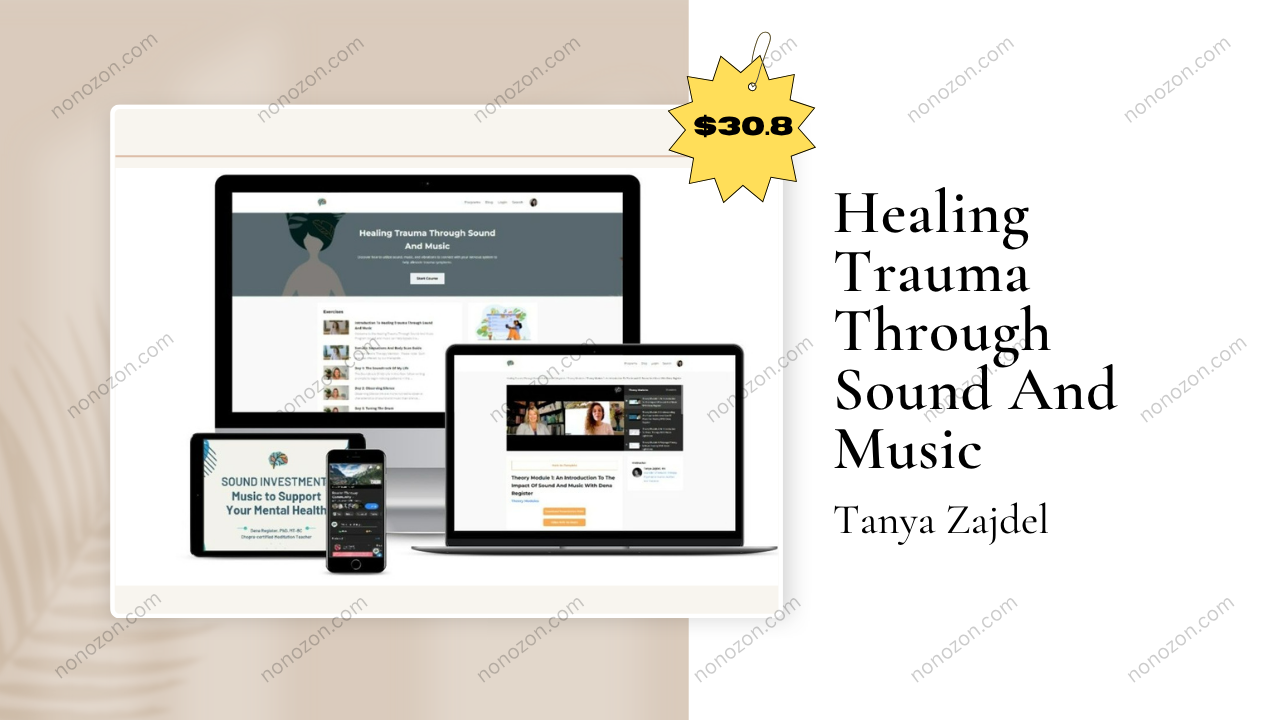
Instant Download Healing Trauma Through Sound And Music by Tanya Zajdel
Emotional release through sonic resonance
Emotional release through sonic resonance is a cornerstone concept in understanding how sound therapy significantly aids trauma recovery. Unlike simple music enjoyment, sonic resonance connects individuals on a deeper level, utilizing the unique frequencies and vibrations in sound to facilitate a profound exploration of feelings that have long been buried or neglected. Engaging in sound therapy can create an environment where clients feel safer to delve into their emotional landscapes, often leading to cathartic experiences.
Research indicates that specific sound frequencies correlate with various emotional responses, acting like a mirror reflecting back the inner turmoil of the individual. This resonance fosters a pathway for emotional release, enabling clients to articulate feelings that are often too complex or painful to confront verbally. Engaging in sound therapy can sometimes induce a somatic response, as listeners may feel the vibrations physically impacting their bodies, serving as a signal that emotional intelligence is reawakening.
For instance, the use of Tibetan singing bowls creates a resonating effect that penetrates bodily tissues. Many report feeling a deep relaxation or even emotional tears during sessions, signaling a release of pent-up trauma. This sonic experience can be mirrored in various modalities; for some, drumming provides the heartbeat sound that bridges the gap between the mind and body.
Furthermore, practices integrating rhythmic auditory stimulation stimulate both brain and body, illuminating how rhythm influences emotional processing. Rhythms can evoke memories, feelings, and even foster self-expression, allowing individuals to connect to their past and present selves in meaningful ways.
Overall, the ability of sound to facilitate emotional release through sonic resonance represents a significant breakthrough in trauma recovery approaches, advocating the value of non-verbal emotional expression as a powerful tool for healing.
The impact of rhythmic auditory stimulation
Rhythmic auditory stimulation (RAS) embodies yet another pivotal layer of the therapeutic potential of sound therapy. By engaging with carefully structured rhythms, sound therapy taps into the brain's innate capacity for pattern recognition and emotional processing. The use of rhythm promotes coherence and predictability, which can be especially comforting for individuals navigating the chaos of trauma.
For instance, a notable technique within this modality is the practice of drumming, which has healthy impacts on stress management while enabling participants to embody their feelings through movement. Research indicates that group drumming sessions create a sense of unity and collective healing, as participants synchronize their rhythms and emotional expressions. This communal aspect fosters connections that can be deeply healing for trauma survivors who may feel isolated due to their experiences.
Additionally, RAS is linked to enhancing neural connectivity within the cerebral cortex, particularly in areas responsible for emotion and memory regulation. For clients, this means that engaging with rhythmic patterns can assist in processing traumatic memories and reducing anxiety levels, thereby opening the door for emotional healing. Studies confirm that individuals receiving RAS show significant improvements in mood and cognitive function, which can be crucial for those experiencing trauma or PTSD.
When employed in therapeutic settings, RAS can be tailored to meet the unique needs of clients, providing personalized experiences that resonate with their emotional states. For some, the beat of the music or rhythm of the sounds can foster a sense of empowerment and control, while for others it can act as a soothing balm, facilitating relaxation and emotional regulation.
The rhythm acts as both a vehicle and an anchor for emotional exploration, teaching clients to experience their feelings rather than suppress them. This pivotal role of RAS in sound therapy exemplifies how rhythmic engagement with sound directly correlates with emotional recovery, demonstrating its profound impact on trauma healing.
Music therapy techniques for PTSD
Music therapy techniques specifically designed for post-traumatic stress disorder (PTSD) have shown significant promise in addressing the unique challenges faced by individuals recovering from trauma. These techniques encompass a variety of evidence-based approaches tailored to enhance emotional regulation and processing. Prominent practices within the realm of music therapy for PTSD include:
- Active Music-Making: This technique invites clients to engage in the creation of music through singing, playing instruments, or songwriting. Many find that this active engagement serves as a powerful outlet for expressing emotions, facilitating recognition and processing of their traumatic experiences.
- Guided Imagery and Music (GIM): GIM is a technique that combines the enjoyment of music with guided imagery exercises. Clients are encouraged to visualize imagery elicited by the music, allowing them to navigate emotional landscapes and traumas safely while exploring deeper feelings.
- Lyric Analysis: Clients may explore and analyze song lyrics that resonate with their own trauma experiences. This approach fosters a rich dialogue about feelings while providing an avenue for self-reflection and sharing, often leading to improved emotional clarity.
- Instrumental Improvisation: This approach allows clients to spontaneously create music based on their feelings or experiences. By stepping into a state of improvisation, individuals express emotions that may not have the words to articulate, fostering a unique therapeutic experience.
- Songwriting: In songwriting, individuals compose their lyrics as a form of storytelling that encapsulates their lived experiences. This gives power to their narratives and enables clients to engage actively with their past traumas while fostering resilience and empowerment.
- Music-Assisted Relaxation Techniques: Calming music is utilized to facilitate relaxation, reduce anxiety, and promote emotional regulation. Participants learn how to use music for self-soothing and stress reduction, particularly beneficial for those struggling with hyperarousal symptoms.
The systematic review of literature surrounding music therapy for PTSD reveals consistent evidence of significant reductions in trauma symptoms among individuals who engage in music therapy sessions compared to control groups. Various studies highlight that creativity during active music-making enhances resilience, improves mood, and fosters connections that are deeply supportive in recovery.
Tanya Zajdel's comprehensive review also details how individualized music therapy interventions suit the unique needs of clients, enhancing therapeutic engagement and effectiveness. The application of these techniques reflects a growing understanding of the profound impact that sound and music can have in facilitating emotional expression and processing traumas in clinical settings.
Evidence-based approaches in music therapy
Evidence-based approaches in music therapy form a critical foundation that informs best practices for addressing trauma and PTSD. These approaches utilize rigorous research methodologies to validate the efficacy of various music therapy interventions tailored for individuals recovery from traumatic experiences.
- Utilization of Structured Therapeutic Frameworks: Thorough frameworks guide music therapy sessions, ensuring a structured approach that prioritizes client needs. Methodologies such as Cognitive Behavioral Music Therapy fuse traditional psychological practices with music interventions, enhancing therapeutic outcomes by addressing cognitive distortions related to trauma.
- Systematic Reviews and Meta-Analyses: Numerous systematic reviews and meta-analyses demonstrate significant outcomes in favor of music therapy interventions for PTSD. For example, one study examined the application of music-assisted cognitive-behavioral therapy among veterans with PTSD, finding notable reductions in trauma symptoms when compared to control groups.
- Longitudinal Studies: Longitudinal studies tracking participants’ progress over extended periods further elucidate the sustained benefits of music therapy. Research indicates that improvements in emotional regulation and symptom reduction persist long after therapy sessions conclude, highlighting the long-term impacts of music interventions.
- Client-Centered Approaches: Evidence-based music therapy recognizes the importance of tailoring interventions to meet client preferences and needs. Personalization enhances client engagement, fostering trust and active participation, thereby producing significant emotional breakthroughs.
- Integration with Other Therapeutic Modalities: Collaborating with other interventions such as mindfulness practices or psychotherapeutic techniques illustrates the efficacy of combining approaches for comprehensive treatment. Research supports the idea that integrating music therapy into broader treatment plans maximizes recovery outcomes.
Evidence-based approaches signify the commitment within the music therapy community to uphold the highest standards of practice, ensuring that interventions are grounded in sound research principles. By applying robust methodologies, music therapy emerges as a validated treatment modality for trauma, effectively addressing emotional needs and fostering recovery.
Personalized soundscapes for trauma healing
Personalized soundscapes represent a transformative aspect of sound therapy, particularly for individuals navigating the complexities of trauma recovery. These curated acoustic environments are thoughtfully crafted to resonate with the unique emotional and psychological needs of each client, creating immersive experiences conducive to healing.
The practice of designing personalized soundscapes incorporates several elements:
- Tailored Audio Selections: Customized playlists crafted based on individual preferences can create specific emotional responses, serving as a healing balm or invigorating backdrop for self-exploration. A client may resonate deeply with the sounds of nature, soothing chimes, or instrumental pieces that evoke a sense of nostalgia or comfort.
- Engagement of All Senses: Immersive soundscapes prompt listeners to engage their senses fully, allowing sound to feel tangible as it interacts with their psyche and body. This multi-sensory approach can transport individuals to spaces of safety and reassurance, assisting them in navigating trauma.
- Facilitating Emotional Circulation: By shaping emotional dimensions through personalized soundscapes, clients can confront complex feelings embedded deeply within, leading to emotional catharsis and growth. Many individuals report significant emotional breakthroughs when exposed to tailored sounds that resonate with their experiences.
Contrastingly, while personalized soundscapes offer intimate therapeutic benefits, group music therapy sessions foster communal experiences that enhance healing through collective connection. Group settings provide an opportunity for emotional sharing and empathy among participants, combating feelings of isolation commonly experienced by trauma survivors.
While personalized soundscapes create intimate spaces for self-exploration, group settings cultivate community and shared healing. Each approach presents unique advantages, making them complementary to one another. Tanya Zajdel's work on healing trauma emphasizes that both individual and group sessions contribute to emotional wellness, providing support to clients as they navigate their journeys toward healing.
In practice, employing both personalized soundscapes in individual sessions and group activities can align with various therapeutic objectives. Integrating these methods enriches the therapeutic landscape, allowing clients to access deeper emotional layers through a multifaceted exploration. Ultimately, personalized soundscapes can serve as a profound anchor in the healing journey, guiding individuals toward empowerment and transformation.
Group versus individual music therapy sessions
When it comes to addressing trauma recovery through music therapy, both individual and group sessions constitute essential modalities that serve distinct yet complementary purposes. Each setting cultivates unique emotional and therapeutic dynamics, allowing clients to engage with their trauma from varying viewpoints.
Individual music therapy sessions facilitate personalized experiences, allowing therapists to tailor interventions to a client's unique emotional and psychological needs. In these settings, clients can explore their trauma at their own pace, reflecting on personal feelings and experiences without external pressures. The safety and intimacy of one-on-one sessions promote vulnerability and emotional exploration, enabling clients to articulate their feelings through various musical expressions such as songwriting or improvisation.
Contrastingly, group music therapy sessions harness the power of communal support and shared experiences among participants. Engaging in collective music-making fosters a sense of belonging and connection, which can be especially beneficial for individuals dealing with feelings of loneliness or isolation post-trauma. Participants can draw strength from one another while sharing their stories through rhythm and melody, creating a safe space for emotional exchange.
Tanya Zajdel's review highlights an important synergy between individual and group therapy approaches. Each format possesses distinct benefits that can lead to profound healing experiences. For instance, individuals may find it easier to confront specific challenges in private sessions, while simultaneously leveraging the collective strength and camaraderie experienced in group settings to motivate and uplift their healing process.
Even within group interactions, therapeutic techniques can be diversified. Some clients resonate more strongly with improvisational activities, while others may benefit from structured songwriting elements or shared drumming sessions. The key lies in the flexibility of approaches, ensuring that each participant feels engaged and connected to the therapeutic process, whether in a private or group setting.
In summary, individual and group music therapy sessions offer unique opportunities for trauma recovery, addressing varied emotional needs and fostering resilience. Integrative approaches that utilize both modalities can enhance therapeutic outcomes, guiding clients on their journeys toward empowerment and emotional wellness.
Therapeutic modalities in sound and music
The landscape of therapeutic modalities in sound and music is vast and varied, incorporating methodologies that utilize sound vibrations and musical expressions to promote emotional healing and psychological well-being. These methods have gained recognition and respect as effective therapeutic tools in contemporary treatment practices for trauma recovery.
Sound therapy stands as a pivotal modality within this realm, harnessing the innate qualities of sound to enhance mental and emotional health. Techniques such as gong baths and crystal bowl meditations create immersive auditory experiences that facilitate relaxation and connection. These practices evoke deep relaxation responses, lowering cortisol levels, which are linked to stress, and helping clients navigate their trauma in a supportive and non-judgmental environment.
The integration of modalities further enriches therapy experiences. For example, combining sound therapy with mindfulness practices creates a holistic approach that promotes awareness and emotional regulation, allowing clients to remain present with their feelings. When clients engage in music therapy alongside mindfulness techniques, they cultivate a deepened understanding of their emotional states, fostering resilience over time.
Moreover, Tanya Zajdel's study on healing trauma through sound underscores how combining sound therapy with traditional therapies enhances outcomes, creating an inclusive approach to emotional healing. By linking sound frequencies with therapeutic structures such as cognitive behavioral therapy or energy healing, practitioners contribute to an integrative atmosphere conducive to overall healing and recovery.
In essence, the growing body of evidence supporting therapeutic modalities in sound and music signifies a bright future for trauma recovery. Practitioners who harness the power of sound and its various forms can offer unique pathways for individuals to connect with their emotions, ultimately transforming their healing journeys into deeply empowering experiences.
Combining sound therapy with other healing practices
Combining sound therapy with other healing practices has emerged as a fruitful and transformative approach in trauma recovery. The synergy of modalities creates a comprehensive therapeutic environment that addresses the multifaceted nature of trauma. Integrating sound therapy with additional practices allows for a holistic treatment plan that caters to the individual’s emotional, psychological, and physiological needs.
- Mindfulness Practices: Pairing sound therapy with mindfulness techniques fosters a heightened awareness of the present moment. When clients engage in mindful listening during sound therapy, they cultivate an ability to observe their thoughts and emotions without judgment, creating a deeper level of introspection and connection to their emotional experiences. This practice can reduce distressing symptoms associated with trauma by enhancing emotional regulation.
- Cognitive Behavioral Therapy (CBT): Integrative approaches that merge sound therapy with CBT techniques expand therapeutic outcomes. For instance, therapists may employ music as a medium through which clients can identify and challenge negative thought patterns related to their trauma. Music-evoked memories can serve as a basis for cognitive restructuring, promoting empowerment while fostering new perspectives.
- Somatic Therapies: Incorporating sound therapy with somatic experiencing methods focuses on the body’s responses to trauma. By utilizing sound vibrations to encourage physical release, clients learn to tune into their bodily sensations and emotions that have been trapped. This modality emphasizes the strong connection between emotional and physical states, promoting overall healing.
- Art and Expressive Therapies: Integrating sound therapy with visual arts, movement, or other creative expressions expands avenues for emotional exploration. Clients may engage in painting while listening to music or participating in dance, allowing them to express their innermost feelings in a multi-dimensional manner. The blend of art and sound facilitates emotional release and catharsis through complementary methods.
- Community-Based Approaches: Using sound therapy in community-based healing initiatives enhances social support and collective trauma recovery. Group initiatives, such as drumming circles or community sound baths, can promote social bonding while addressing individual trauma. Engaging in shared experiences fosters a powerful sense of belonging and community resilience, creating spaces of healing for groups affected by collective trauma.
The integration of sound therapy with other healing practices generates thoughtful collaboration amongst practitioners and encourages a more comprehensive approach to trauma recovery. Combining various therapeutic modalities enhances the overall healing experience, allowing individuals to access resources critical for reclaiming their emotional wellness.
Sound baths and their benefits for trauma survivors
Sound baths have emerged as a popular therapeutic modality for individuals recovering from trauma. These immersive experiences use a range of instruments, such as singing bowls, crystal bowls, and gongs, to generate sound waves that envelop participants, creating a serene auditory environment ideal for emotional exploration and healing.
Benefits of sound baths for trauma survivors include:
- Deep Relaxation: During a sound bath, the soothing vibrations produced by instruments work to promote deep relaxation. This calming effect helps alleviate physical tension and cultivates a peaceful mental state, offering participants a much-needed respite from anxiety and stress.
- Emotional Release: Sound baths provide a supportive space for individuals to release pent-up emotional pain associated with their trauma. The rhythmic patterns and melodic sounds create a resonance that encourages emotional navigation and expression, facilitating profound cathartic experiences for participants.
- Enhanced Mind-Body Connection: Through auditory immersion, individuals often find themselves reconnecting with their bodies and emotions in empowering ways. The experience can enhance self-awareness, allowing clients to explore feelings buried deep within their consciousness.
- Promotion of a Safe Space: Sound baths are typically conducted in nurturing environments where participants feel secure. This safe atmosphere encourages vulnerability, enabling attendees to process their trauma safely and confidentially.
- Community and Connection: Participating in group sound baths fosters connection among attendees, offering shared experiences that combat feelings of isolation. These communal engagements create a sense of belonging that is particularly beneficial for trauma survivors who may feel disconnected from others.
By incorporating sound baths into trauma recovery strategies, practitioners provide clients with accessible avenues to connect with their emotions and experiences. The benefits of sound baths extend far beyond relaxation; they serve as effective tools for emotional processing, facilitating healing for trauma survivors. As practitioners continue to recognize the potent impact of sound baths, this modality is likely to become a cornerstone in the field of sound therapy.
The use of nature sounds in psychological healing
Incorporating nature sounds into therapeutic practices has shown great efficacy in promoting psychological healing, particularly for individuals affected by trauma. The natural sounds of rain, flowing water, birdsong, and rustling leaves create calming auditory backdrops that facilitate relaxation and enhance emotional well-being. Integrating these sounds into therapeutic settings can substantiate a nurturing environment conducive to healing.
- Stress Reduction: Research indicates that exposure to nature sounds can lower stress levels significantly. Natural soundscapes induce a relaxation response, contributing to decreased cortisol levels and an overall sense of tranquility an essential factor for trauma recovery.
- Emotional Regulation: The soothing qualities of nature sounds can effectively help regulate emotions. By establishing a calming auditory environment, individuals may find it easier to navigate emotional distress and confront feelings associated with their trauma safely.
- Grounding and Mindfulness: Listening to nature sounds promotes grounding and mindfulness practices, encouraging clients to focus on the present moment. By anchoring their attention to soothing natural sounds, individuals may cultivate awareness of their bodily sensations and emotions, gaining insight into their healing process.
- Enhanced Creativity and Imagination: When integrating natural sounds into creative therapeutic practices such as art or movement therapy clients may experience heightened creativity. The sounds of nature can evoke nostalgia, tranquility, and inspiration, facilitating deeper self-expression and emotional exploration.
- Community Resilience: Soundscapes featuring nature sounds can enhance group therapy experiences. When participants listen to nature sounds together in a therapeutic setting, they may bond more profoundly through shared experiences, reinforcing social connections that are crucial for trauma recovery.
Tanya Zajdel's research acknowledges how incorporating nature soundscapes effectively supports emotional healing and recovery processes. The combination of sound therapy and the soothing properties of nature resonates across clients' experiences, reaffirming sound's power as a transformative tool in the healing of psychological trauma. By integrating natural sounds into therapy, practitioners can harness the restorative qualities of the natural world to foster recovery and well-being among trauma survivors.
Case studies and client experiences
The transformative power of sound therapy for trauma recovery manifests vividly through a variety of case studies and individual client experiences. These narratives provide compelling evidence of the efficacy and depth of therapeutic practices involving sound and music.
- Case Study: A Veteran's Journey: A veteran suffering from combat-related PTSD participated in sound therapy sessions involving drumming circles. The collective environment allowed him to express emotions tied to his experiences in a supportive setting. Over several sessions, he reported significant reductions in anxiety and vivid emotional release, ultimately feeling empowered to process his experiences constructively.
- Child Trauma Recovery: In a child-oriented setting, music therapy was employed with children who experienced traumatic events due to natural disasters. Engaging in play and songwriting allowed them to process their experiences. The children reported feeling lighter and freer to express their emotions, leading to visible improvements in their wellbeing.
- Community Drumming: A community drumming program linked trauma survivors, creating a supportive network that fostered collaboration. Participants reported feelings of empowerment and connection, as sharing their stories through rhythm promoted healing through mutual understanding and support.
- Neurological Response: Research conducted on adults undergoing sound therapy highlighted how rhythmic auditory stimulation activated brain areas related to emotion regulation. Participants demonstrated improved mood and resilience when consistently engaging with sound therapy modalities, reinforcing the impact of rhythmic engagement on emotional healing.
- Personal Testimonials: Clients often share profound personal transformations following sound therapy experiences. One participant remarked upon entering therapy feeling lost in her trauma, yet after several sessions, she described emerging with an increased sense of self-awareness, emotional liberation, and newfound hope.
The testimonials and case studies showcase how sound therapy serves as a vital channel for individuals to confront their trauma, process difficult emotions, and cultivate resilience. These real-world experiences speak volumes regarding the potential of sound therapy as a legitimate and transformative therapeutic opportunity, underscoring its place in trauma recovery practices.
Transformational stories from healing sessions
Transformational stories from sound therapy sessions reflect the profound impact these experiences have had on clients’ emotional and psychological well-being. From individual anecdotes to group engagements, these narratives highlight the capability of sound therapy to facilitate deep healing and emotional release.
- A Journey towards Acceptance: One participant shared how the soothing vibrations of singing bowls helped her confront long-held grief from a traumatic loss. During a session, she vividly recalled memories associated with her loss, yet felt enveloped in warmth and acceptance. The sound experience allowed her to process her emotions safely, moving towards acceptance while embracing her grief a transformational shift in her emotional landscape.
- Restoration of Identity: A survivor of abuse attended a series of music therapy sessions focused on improvisational techniques. In these settings, she found her voice among the sounds, reclaiming her sense of identity and overcoming the silence imposed by her trauma. Each musical interaction felt liberating, enabling her to forge her path towards self-discovery and empowerment.
- Group Healing through Rhythm: A community drumming circle transformed the participants' experiences of isolation into connection and support. By playing together, members began to share their stories, illuminating shared pain and healing. This collective engagement fostered empathy and understanding, generating feelings of belonging that were paramount to their recovery journeys.
- Neurological Shifts through Sound: Another individual accessing sound therapy reported noteworthy changes in her mental state. Prior to therapy, she struggled with anxiety and intrusive thoughts. However, after several sessions with rhythmic auditory stimulation, she experienced enhanced focus and the ability to reframe her thoughts positively. Her neurological response epitomized how sound therapy serves as a catalyst for emotional and cognitive transformations.
- First Steps Towards Freedom: A participant in a sound bath recounted her initial apprehensions about the exposure to sound and vulnerability. Yet, as the session unfolded, she surrendered to the sounds enveloping her. The emotions she had long suppressed began to surface, eventually culminating in cathartic tears. This powerful release marked the beginning of a journey toward emotional freedom.
These transformational stories underline the powerful effects of sound therapy on emotional mental health, resilience, and the healing process. They illustrate sound therapy's potential to act as a bridge towards connection, acceptance, and personal empowerment, illustrating the profound journey every individual undertakes towards recovery.
Impact on different demographics
The impact of sound therapy on different demographics has shown promising results, effectively meeting the unique emotional and psychological needs of diverse populations. Utilizing sound therapy across various demographics reveals its expansive reach within the field of trauma recovery.
- Veterans with PTSD: Among military veterans grappling with PTSD, sound therapy provides a unique opportunity for emotional release and processing traumatic experiences. Participating in drumming circles cultivates a space for camaraderie and connection, alleviating feelings of isolation while promoting emotional resilience. Reports indicate significant reductions in anxiety and depressive symptoms among veterans engaging in sound therapies, demonstrating their value for this demographic.
- Children and Adolescents: Music therapy plays an essential role in supporting emotional healing among children and adolescents who have experienced trauma. Initiatives focused on songwriting and storytelling empower younger clients to articulate their feelings, fostering safe avenues for expression and self-discovery. Research highlights improvements in emotional regulation and coping strategies for adolescents engaging in these music-based interventions.
- Elderly Individuals: For the elderly population, particularly those in long-term care settings, sound therapy serves as a non-pharmacological intervention for cognitive and emotional challenges. Studies indicate significant improvements in quality of life among residents participating in music therapy programs, showcasing reductions in agitation and enhanced social engagement. The emotional connection fostered through sound encourages residents to reminisce and reclaim parts of their identity lost to cognitive decline.
- Individuals with Developmental Disabilities: Sound therapy has proven beneficial for individuals living with developmental disabilities. Music-based interventions enhance expressive communication and social interactions among clients, creating meaningful connections within group therapy settings. Participants report heightened engagement, improved social skills, and emotional comfort through structured music interventions that align with their unique needs.
- Trauma Survivors in Diverse Communities: Communities affected by collective trauma benefit from sound therapy as a means of communal healing. Sound baths and group music-making foster shared experiences that reinforce social ties while addressing the collective pain of shared traumatic events. The bond created through collective sound therapy cultivates healing and resilience across these communities.
The impact of sound therapy across diverse demographics illustrates the adaptability of therapeutic practices to cater to varied emotional needs, illustrating its potential as a powerful tool for healing trauma. As practitioners integrate sound therapy across multiple populations, they affirm its indispensable role in creating pathways for emotional wellness and recovery.
Long-term benefits of sound therapy
The long-term benefits of sound therapy extend beyond immediate emotional relief, offering sustained impacts on mental and emotional health. As participants engage consistently with sound therapy, they often experience notable positive shifts in various aspects of their well-being over time.
- Sustained Emotional Resilience: Research confirms that individuals who participate in sound therapy report lasting improvements in emotional resilience. Continued exposure to sound therapy modalities bolsters emotional regulation skills and equips individuals with coping mechanisms that foster adaptability in the face of life's challenges.
- Enhanced Self-Awareness: Regular engagement with sound therapy promotes a deeper understanding of emotions and personal experiences. Participants often describe increased self-awareness and introspection, allowing them to navigate their inner worlds more effectively. This self-understanding can positively impact relationships and overall life satisfaction.
- Cognitive Improvements: Long-term benefits extend to cognitive functions, as sound therapy has been shown to enhance attention, focus, and memory. Engaging with rhythmic auditory stimulation can facilitate neurological changes that support improved learning and cognitive performance, particularly beneficial for trauma survivors who may struggle with focus amid anxiety.
- Strengthened Social Connections: The communal aspects of sound therapy foster lasting social relationships among participants. Many who share group music-making experiences develop support networks, sustaining their connections as they navigate their traumas together. These ongoing relationships serve as invaluable resources in the recovery process, promoting mutual support and understanding.
- Ongoing Stress Reduction: Research indicates that continued exposure to sound therapies contributes to lower cortisol levels, leading to reduced stress over time. Participants often report feeling calmer and more equipped to handle stressors encountered in daily life, illustrating the long-term effect of sound therapy on emotional regulation and well-being.
The long-term benefits of sound therapy highlight its transformative potential within the broader framework of emotional healing. By building resilience, enhancing self-awareness, and fostering meaningful connections, sound therapy provides valuable support for individuals as they reclaim their narratives and navigate the complexities of recovery.
Challenges and limitations of sound therapy
Despite the promise and potential of sound therapy as an effective method for trauma recovery, it does encounter certain challenges and limitations. Understanding these obstacles is essential for supporting the continued development and acceptance of sound therapy as a valid therapeutic modality.
- Lack of Standardization: The absence of standardized protocols in sound therapy practices presents challenges in efficacy assessment. The variability in methodologies employed across different practitioners can make it difficult to evaluate treatment success uniformly.
- Limited Research: while increasing interest in sound therapy has garnered attention, rigorous scientific research is still in its infancy. Many studies possess small sample sizes or methodological inconsistencies, hindering the establishment of sound therapy as a credible treatment option within the broader medical and psychological communities.
- Skepticism from Conventional Medicine: The prevailing skepticism regarding alternative treatment approaches contributes to barriers in acceptance. Many in the traditional medical community require more empirical evidence before recognizing sound therapy as a legitimate therapeutic option.
- Ethical Considerations: The evolving field of sound therapy raises questions about ethical practice standards. Practitioners may not always adhere to clearly defined ethical guidelines, which can lead to disparities in the quality of care individuals receive.
- Resistance from Clients: Individuals may approach sound therapy with preconceived notions or skepticism, leading to reluctance to engage fully in the therapeutic experience. Clients’ cultural beliefs or personal values about healing can significantly impact their openness to sound therapy modalities.
Tackling these challenges requires collaborative efforts to promote rigorous research, standardization of practices, and increased education around sound therapy’s potential benefits. By addressing these barriers, practitioners can work toward establishing sound therapy as a respected and substantial component of trauma recovery strategies.
Misconceptions about sound healing
Misconceptions about sound healing contribute to skepticism around its potential effectiveness, posing hindrances to its acceptance as a valid therapeutic modality. Addressing these misconceptions is paramount for practitioners and advocates within the field.
- Pseudoscience Assumptions: One prevalent misconception is that sound healing is often equated with pseudoscience, leading to dismissal of its potential benefits. Many skeptics view sound therapy as lacking empirical evidence and validate its approach based on anecdotal experiences.
- Overstated Claims: Sometimes practitioners may overemphasize the effects of sound therapy, suggesting it can be an all-encompassing cure for all health problems. This overreach can lead to unrealistic expectations, resulting in disappointment when the therapy does not produce instantaneous or miraculous outcomes.
- Misunderstanding Mechanisms: Many individuals are unaware of the intricate interactions between sound frequencies and physiological responses. A lack of understanding regarding how sound affects the body and mind contributes to skepticism and a belief in the ineffectiveness of sound therapy.
- Limited Awareness of Therapeutic Benefits: Some individuals may not recognize the wide-reaching benefits of sound therapy, overlooking its potential as a complement to traditional treatment modalities. Clients may dismiss sound therapy as a casual or non-serious approach without understanding its legitimate therapeutic applications.
Acknowledging these misconceptions empowers practitioners and advocates to educate clients on sound therapy's transformative potential. By emphasizing sound healing's proven benefits within trauma recovery, practitioners can cultivate a deeper appreciation and understanding of its potential impact on emotional wellbeing.
Addressing resistance in clients
Addressing resistance within clients undergoing sound therapy poses significant challenges, especially given the sensitive nature of trauma recovery. Resistance may manifest through clients' reluctance to engage with therapeutic modalities or confront the memories and emotions associated with their trauma. Understanding and alleviating this resistance can enhance client engagement and therapeutic outcomes.
- Creating a Safe Environment: Establishing an atmosphere of safety is crucial. Practitioners must create a supportive environment where clients feel secure in expressing themselves. Open communication about the therapeutic process, potential sounds, and their significance can foster trust and encourage clients to approach sessions with an open mind.
- Understanding Clients' Beliefs and Concerns: Clients may carry preconceived notions about sound therapy, leading to skepticism regarding its effectiveness. Practitioners should take the time to understand clients' cultural beliefs, backgrounds, and values surrounding healing. This understanding allows for tailored interventions and discussions that resonate more deeply with individual clients.
- Building Rapport: Cultivating a strong therapeutic alliance is essential. Practitioners should engage with clients with empathy and understanding, allowing them to feel acknowledged and heard. A supportive foundation fosters a sense of safety, reducing resistance as clients grow more comfortable expressing their emotions and experiences.
- Offering Choices: Empowering clients to choose their sounds or intervention methods fosters ownership in the therapeutic process, making them active participants rather than passive recipients. This autonomy can help clients feel more in control of their healing journey, diminishing feelings of resistance often stemming from external pressure.
- Providing Continuous Feedback: During sound therapy sessions, maintaining a dialogue about clients' feelings and experiences is crucial. Constantly checking in ensures clients feel validated throughout their journey, allowing practitioners to adjust approaches based on individual responses.
The integration of empathy and understanding when addressing resistance can significantly enhance the efficacy of sound therapy. Acknowledging clients’ concerns fosters deeper engagement, ultimately enriching the therapeutic experience by cultivating emotional awareness and connection to the healing process.
Ethical considerations in sound therapy
Ethical considerations in sound therapy are paramount, reflecting the responsibility practitioners have toward clients navigating the complexities of trauma. As this field evolves, establishing compliant ethical practices that prioritize client well-being remains essential for building trust and credibility.
- Informed Consent: Practitioners must ensure clients fully understand the nature of sound therapy, including potentially triggering sounds or experiences. Providing clear consent forms that detail the therapeutic process, risks, and benefits helps clients make informed decisions about participating.
- Awareness of Retraumatization: As individuals engage with sound, there exists a potential for retraumatization via specific sound stimuli. Practitioners should remain attuned to clients’ emotional responses during sessions, adjusting approaches accordingly to avoid overwhelming them or evoking negative memories.
- Cultural Sensitivity: Practitioners must navigate cultural considerations and beliefs surrounding sound healing. Understanding clients' backgrounds and incorporating culturally appropriate soundscapes validates their experiences, ensuring ethical practices that honor individual perspectives.
- Professional Accountability: Ethical standards require practitioners to adhere to professional guidelines and train in trauma-informed practices. Ongoing professional development and supervision allow for critical reflection on techniques used and potential impacts on clients.
- Respecting Client Autonomy: Acknowledging and prioritizing clients’ autonomy is central to ethical practice in sound therapy. Clients should feel empowered to express their preferences and boundaries, allowing for personalized therapeutic experiences that respect their emotional preferences.
Emphasizing ethical considerations within the practice of sound therapy establishes professional integrity, reinforcing the commitment to clients' emotional safety and well-being. As sound therapy continues to gain recognition, embracing ethical principles guides practitioners in fostering safe, supportive healing environments for those navigating trauma recovery.
Future directions in sound and music therapy
Innovations in sound therapy techniques
As the field of sound and music therapy continues to grow, innovative advancements in techniques are creating exciting opportunities to enhance therapeutic practices for trauma recovery. Research and developments highlight how sound therapy is evolving, promising to foster deeper connections between emotional healing and auditory experiences.
- AI and Personalization: The integration of artificial intelligence (AI) allows for the personalization of sound therapy experiences. AI-driven platforms can analyze a patient’s emotional responses to musical elements in real-time, tailoring sessions to address specific needs and emotions as they arise, optimizing therapeutic outcomes.
- Neurofeedback Integration: Using neurofeedback techniques in conjunction with sound therapy offers an opportunity to teach clients about their brain's responses to sound and music. Participants can learn to regulate their emotional states while experiencing direct audio feedback, promoting autonomy over emotional healing processes.
- Immersive Technology: Advancements in virtual reality (VR) and augmented reality (AR) technologies can create immersive soundscapes tailored to client experiences. Participants may engage in multisensory environments that not only include therapeutic sounds but also visual elements that evoke relaxation or engagement with nature.
- Community-Based Innovations: New strategies connecting sound therapy with community healing initiatives are gaining traction. By fostering collective sound experiences like community sound baths or group music-making these innovations promote social connectedness, strengthening the communal healing dynamic.
- Interdisciplinary Collaborations: Collaborations with other therapeutic modalities such as art or yoga are providing holistic treatment options. Combining sound therapy with practices like mindfulness, yoga, or body movement creates a rich environment for emotional wellness while addressing trauma in multifaceted ways.
These innovative techniques illustrate sound therapy’s potential to converge with modern advancements, fostering personalized, enhanced experiences that significantly impact emotional healing and trauma recovery. Embracing innovation in sound therapy opens exciting pathways for practitioners and clients alike, advancing the effectiveness of this therapeutic approach.
The integration of technology in healing practices
The integration of technology into healing practices, especially in sound and music therapy, represents a significant shift towards enhancing therapeutic outcomes. As technology advances, various applications and platforms emerge to support sound therapy interventions, making them more accessible and effective for individuals navigating trauma recovery.
- Teletherapy Platforms: The advent of teletherapy has expanded access to sound therapy for individuals in remote areas or those unable to attend in-person sessions. Online platforms facilitate virtual sound therapy sessions, enabling clients to engage with therapeutic practices from the comfort of their homes.
- Mobile Applications: Various mobile apps now offer guided sound meditation, binaural beats, and soundscapes for emotional regulation, allowing clients to practice sound therapy independently. These tools empower individuals to continue their healing journey outside of therapy sessions.
- Biofeedback Technologies: Innovations in biofeedback technology allow practitioners to visualize clients' physiological responses to sound, providing insights into neural responses and emotional states. Such data enhances customization and informs subsequent therapy interventions.
- Augmented and Virtual Reality (VR/AR): The use of VR and AR in sound therapy creates immersive therapeutic environments that transport individuals to healing spaces. Using guided virtual experiences, participants engage with sound, nature, and music in ways that can significantly enhance relaxation and emotional release.
- Research Collaboration: Increased collaboration between researchers and sound therapy practitioners fuels the growth of evidence-based practices. Projects integrating technological advancements harness interdisciplinary insights to explore the neurological impacts of sound, aligning therapeutic practices with empirical findings.
Technology's integration within sound therapy paves the way for more personalized, accessible, and effective therapeutic experiences, allowing practitioners to craft unique recovery journeys for clients. As the realm of technology and sound therapy continues to evolve, its intersection represents an exciting future for emotional healing and trauma recovery.
Research trends and upcoming studies
The field of sound and music therapy is witnessing an increase in robust research, bolstering its credibility as a legitimate therapeutic modality for trauma recovery. Upcoming studies and current research trends are shaping the landscape, providing insight into the benefits and efficacy of sound therapy practices.
- Interdisciplinary Research Initiatives: Emerging research increasingly emphasizes collaborative studies combining sound therapy with other therapeutic modalities, fostering an integrative understanding of trauma healing. This interdisciplinary approach highlights the potential for maximizing therapeutic outcomes when techniques are expertly combined.
- Large-Scale Studies: Larger studies with diverse populations are being conducted to assess the effectiveness of sound therapy across a variety of demographic groups. These studies aim to provide robust empirical evidence, counteracting the limitations seen in smaller studies and validating sound therapy's efficacy in treating trauma symptoms.
- Long-Term Impact Studies: Ongoing studies are investigating the long-term effects of sound therapy on trauma recovery. Assessing the durability of therapeutic gains, such as emotional resilience and psychological functioning over time, enhances understanding of sound therapy's lasting contributions to mental health.
- Neuroscientific Research: Increased interest in the neurological effects of sound therapy is informing therapeutic practices. Research investigating how sound modalities activate specific brain regions linked to emotion regulation promises to deepen practitioners' understanding of sound's transformative potential.
- Community-Based Healing Research: Research into community-based sound therapy initiatives is gaining traction, illustrating how collective sound experiences benefit mental health by addressing issues of social isolation and collective trauma within communities.
These research trends signal a thriving landscape for sound therapy, highlighting its transformative potential for trauma recovery. As scholars continue to investigate sound's healing properties, the wealth of empirical findings will fortify sound therapy's place within the broader mental health conversation, ensuring its preservation as an essential modality for therapeutic healing.
Conclusion
The emerging field of sound and music therapy presents compelling evidence for the profound impact that sound can have on trauma recovery. Through various techniques that harness the power of sound, practitioners create safe spaces where individuals can engage with their emotions, express complex feelings, and ultimately navigate their healing journeys. The integration of scientific research, personalized soundscapes, and innovative practices enhances therapeutic effectiveness while addressing the needs of diverse demographics.
As sound therapy continues to evolve, practitioners must prioritize ethical considerations and address misconceptions to manufacture a supportive and credible environment for healing. The potential of sound therapy as a transformative tool for trauma recovery underscores its relevance in contemporary therapeutic practices. By embracing sound's richness and accessibility, we open the door to creating meaningful connections that empower individuals to reclaim their emotional wellness in the face of adversity.