
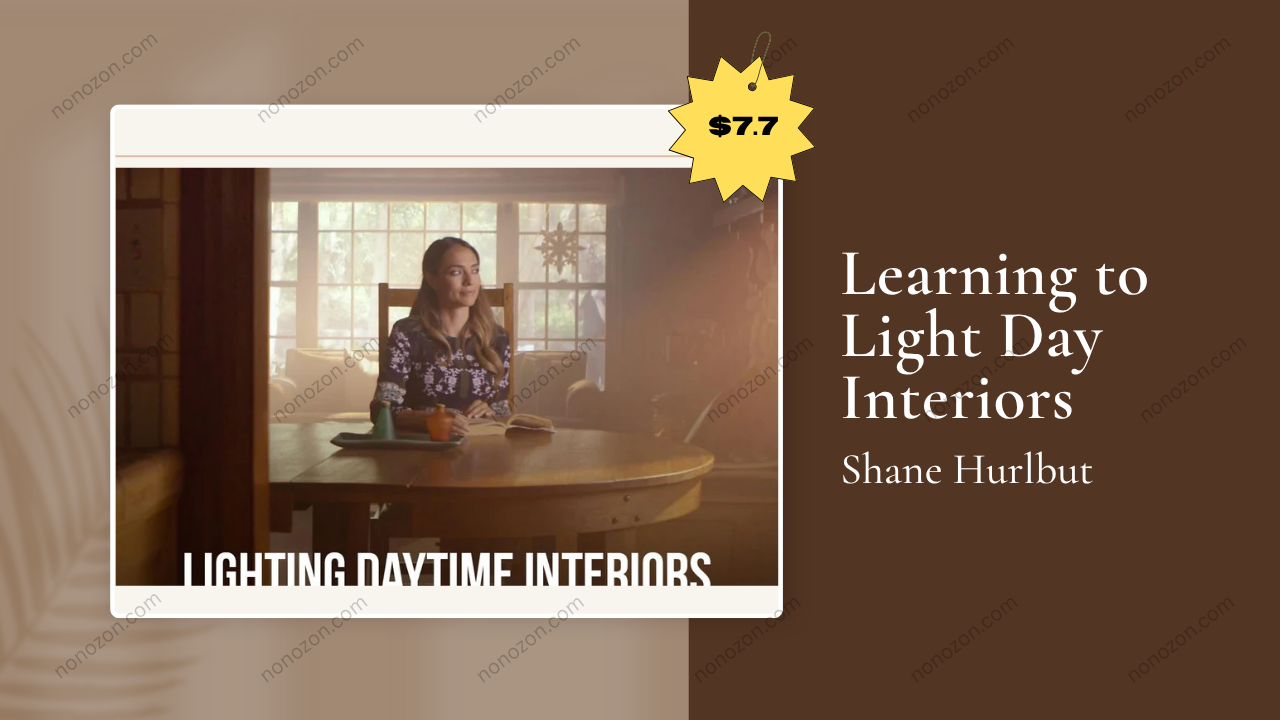
Learning to Light Day Interiors
by Shane Hurlbut
Learning to Light Day Interiors by Shane Hurlbut
Check proof of content here:
Lighting is one of the most vital tools in a cinematographer’s toolkit—especially when working with interior spaces during daylight hours. Shane Hurlbut, ASC, a veteran director of photography, has refined the craft of interior lighting into both a technical discipline and a form of visual storytelling. His teachings go beyond the mechanics of exposure; they explore how to use light to evoke emotion, establish tone, and guide the viewer's experience.
In this review, I delve into Hurlbut's strategic approach to day interior lighting. We'll explore how he balances natural with artificial light, manipulates color and contrast to shape mood, and leverages tools like false color for precise exposure. Whether you're a filmmaker or a photographer, Hurlbut’s principles can elevate your visuals with greater depth, dimension, and dramatic intent.
Cinematic Lighting Techniques for Interiors
Creating cinematic lighting in interiors is about more than turning on lamps and bouncing sunlight—it’s about sculpting space and storytelling with intention. Hurlbut breaks down his method into several foundational elements:
Harnessing Natural Light: Hurlbut encourages working with daylight rather than against it. By studying the position of the sun, using reflectors, and diffusing incoming rays, cinematographers can maximize available light without sacrificing control.
Integrating Artificial Lighting: Artificial light serves to complement and shape natural illumination. Hurlbut mixes soft and hard sources to craft a dynamic scene that maintains consistency while enhancing drama.
Color Harmony and Contrast: Blending the color temperatures of daylight and artificial sources is a crucial skill. Through the use of gels, diffusion, and white balance adjustments, Hurlbut shows how to maintain a naturalistic yet stylized look.
Hands-On Execution: Hurlbut doesn’t just explain theory—he demonstrates it. His practical examples show how to adapt lighting setups to varied interior environments while maintaining visual integrity.
Atmospheric Enhancers: Elements like haze and smoke help shape light and add texture. These techniques introduce a three-dimensional quality that draws viewers deeper into the scene.
Balancing Interior and Exterior Light
Striking the right balance between indoor lighting and exterior brightness is often the key to believable, immersive cinematography. Hurlbut’s methods focus on both technical precision and intuitive artistry.
Key Techniques:
Window Wrapping: By using diffusion or bounce material near windows, you can soften incoming daylight and create a beautiful, enveloping glow. This technique ensures a smoother blend between sources.
Exposure Tools: Employing light meters or false color displays helps accurately assess the relationship between indoor and outdoor brightness, preventing blown-out windows or underlit interiors.
Temporal Awareness: Knowing how natural light evolves throughout the day allows for better planning. Hurlbut teaches that this foresight enables filmmakers to make informed decisions about lighting placement and scheduling.
By mastering these concepts, cinematographers can control contrast ratios, shape their environments, and maintain consistency across changing conditions.
Color Contrast and Mood Creation
Lighting doesn't just illuminate—it emotes. Shane Hurlbut underscores the psychological and narrative impact of color contrast and temperature in his interior lighting design.
Complementary Color Theory: Using opposing hues (such as warm oranges against cool cyans) heightens visual interest and emotion. Hurlbut applies this concept to practical lighting setups, guiding viewers’ emotional responses through deliberate choices.
Mood Through Temperature: The warmth or coolness of a light source dramatically affects how a scene feels. Warm lighting might evoke intimacy or nostalgia, while cooler lighting can suggest tension, detachment, or mystery.
The Dance of Light and Shadow: Hurlbut expertly plays with contrast—not just in color, but in luminance. Strategic shadow placement adds visual intrigue, drawing the audience deeper into the frame.
Through these tools, Hurlbut encourages filmmakers to craft not just visually appealing shots, but emotionally resonant ones.
Instant Download Learning to Light Day Interiors by Shane Hurlbut
False Color Exposure Techniques
False color is an indispensable tool in Hurlbut’s kit—especially for interior shoots during the unpredictable daytime. It provides real-time, color-coded feedback on exposure, making it easier to assess the tonal balance of a scene.
How It Works: On a monitor, false color assigns specific hues to different brightness levels. Green typically represents midtones, red flags overexposure, and blue indicates underexposed areas.
Control and Consistency: With this information, DPs can fine-tune exposure using lighting, camera settings, or modifiers—ensuring key subjects remain in the correct dynamic range.
Use in Real-World Conditions: Daylight interiors often face rapidly changing light. Hurlbut shows how false color helps cinematographers adapt in real time, maintaining professional-quality exposure regardless of exterior fluctuations.
This technique isn’t just for technical accuracy—it’s also a way to ensure that emotional beats are lit with intention and clarity.
Location Scouting Essentials
Great lighting starts with great planning—and that begins with the right location. Hurlbut places high importance on thorough and strategic scouting.
Narrative Fit: Locations should serve the story, not just the lens. The architecture, textures, and ambient qualities of a space all contribute to visual storytelling.
Logistical Considerations: Think practically—can your crew work efficiently? Are there power sources? Is there space for grip equipment, camera setups, and lighting rigs?
Environmental Factors: Sound pollution, available natural light, and local activity can make or break a shoot. Hurlbut advises careful on-site observation and timing your visit to match the eventual shoot schedule.
Regulatory Research: Knowing about permits, restrictions, and neighborhood quirks beforehand avoids costly delays and allows for a smoother production process.
Importance of Time of Day
Time of day dramatically influences the quality and mood of light available in an interior setting.
Sun Path Awareness: The angle and color of sunlight shift throughout the day. Hurlbut recommends using this knowledge to plan when and where to shoot each scene.
Golden Hour Use: Early morning and late afternoon offer soft, flattering light that enhances skin tones and creates cinematic depth.
Previsualization: Scouting a location at the actual time of your intended shoot reveals how light will behave in real conditions—an essential step for planning your setups.
By working with the sun rather than fighting it, you can produce more naturally beautiful imagery with less equipment.
Identifying Key Light Sources
Knowing where your light is coming from—whether natural or artificial—is a fundamental step in effective lighting design.
Natural Source Mapping: Study how sunlight enters and moves through the space. Hurlbut stresses the importance of observing how light bounces off walls, floors, and ceilings.
Artificial Light Inventory: Existing fixtures can be incorporated into your design or replaced as needed. Assess their quality, positioning, and compatibility with your vision.
Ambient Light Management: Understanding how various sources interact helps avoid color temperature clashes and overexposure, ensuring your lighting remains cohesive and cinematic.
Analyzing Space Dynamics
Every interior presents unique challenges and opportunities. Hurlbut’s process involves analyzing spatial relationships to determine how best to shape light within them.
Room Layout: The physical configuration of the space impacts camera movement, actor blocking, and light placement. Wide rooms, tight hallways, and open-plan layouts each require tailored solutions.
Light Distribution: Track how light naturally flows through the space and use that to your advantage. Strategically placed lights can either reinforce or counteract that natural flow.
Lighting Layers: Hurlbut teaches that layering different intensities, colors, and types of light adds dimensionality. These layers contribute to a rich visual tapestry that draws audiences into the world you're creating.
Practical Lighting Strategies
Effective practical lighting strategies enable filmmakers and cinematographers to navigate the lighting landscape with confidence. Shane Hurlbut discusses several critical components that contribute to successful day interior lighting.
Natural Light vs. Artificial Light
- Natural Light Utilization: Harnessing the power of natural light means understanding its path and effect on interiors. Working with the environment enhances what this light can bring to life in a scene.
- Artificial Light Control: Using artificial sources allows for customization and can fill in gaps left by natural light. Hurlbut recommends selecting versatile fixtures that can deliver various lighting qualities.
- Strategic Layering: Layering both natural and artificial light creates depth and provides a dynamic visual narrative, allowing for a more profound storytelling experience.
Pre-lighting Best Practices
Efficiency plays a vital role in achieving the desired lighting effect. The following pre-lighting best practices can be implemented for maximizing results in interior shoots.
- Evaluating Natural Light: Conducting thorough studies of natural light at the location is vital for planning artificial additions and ensuring everyone is prepared for the conditions.
- Location Analysis: A comprehensive on-the-ground assessment aids in understanding how light and shadows function within the space, informing necessary adjustments.
- Balancing Key and Fill Light: Effective use of key and fill lights can soften environments while maintaining realism, ensuring that shadow dynamics contribute to visual interest.
- Incorporating Practical Lights: Utilizing practical, relevant sources like table lamps or windows integrates realism into shots, creating a more intimate and relatable atmosphere.
Real-world Photography Lighting Examples
Real-world applications of lighting techniques underscore the significance of practical strategies outlined by Shane Hurlbut. His methodology demonstrates how thoughtful lighting can translate both aesthetically and narratively in film and photography settings.
- Natural Impressions: Using sunlight to illuminate spaces while ensuring continuity with connected indoor lights can create a cohesive feel in scenes showcasing real-life interactions.
- Emphasizing Depth: Utilizing shadow and light to separate subjects from backgrounds adds dimension, creating layers that invite engagement.
Through these examples and techniques, filmmakers can grasp the importance of each choice they make in the lighting process, ultimately leading to higher production values.
Equipment and Tools for Day Interiors
Selecting the right equipment is a key component of executing successful lighting strategies in interiors. Shane Hurlbut emphasizes several tools to enhance day lighting effectively.
- Diverse Lighting Options: Using a combination of soft lights and hard lights allows for flexibility in achieving desired visual contrasts that can dynamically enhance the mood.
- Understanding Lighting Techniques: Knowledge of key lighting techniques, along with equipment like HMI or LED fixtures, leads to capturing exceptional inner spaces.
- Balancing Natural and Artificial Light Sources: Making informed choices in equipment that complements the available light is crucial for maintaining visual continuity.
Selecting Appropriate Lighting Devices
Choosing appropriate lighting devices is vital for achieving balanced exposure. Hurlbut outlines specific recommendations to guide filmmakers and photographers:
- Soft Lights for Diffusion: Options like softboxes or diffused LED fixtures aid in creating a smooth lighting quality, perfect for softening harsh shadows.
- Reflectors for Natural Enhancement: Utilizing reflectors can bounce natural light, improving exposure levels in darker areas while maintaining the scene’s overall aesthetic.
- Continuous Lighting Kits: Continuous lighting offers an advantageous ability to see lighting effects in real-time, allowing crews to adjust and perfect placements dynamically.
Lens Choices for Interior Shots
Equally important is the selection of lenses that yield captivating images in the interior setting. Below are a few choices recommended by Hurlbut:
- Wide-angle Lenses for Expansive Views: Lenses like the Canon EF 16-35mm provide a broader field of view, capturing more of the environment in one frame.
- Prime Lenses for Detail: Using prime lenses helps reveal intricate details without distortion, ensuring the richness of interior design is showcased effectively.
- Versatile You Method: Hurlbut emphasizes the importance of selecting lenses that allow for flexibility in framing; the ideal choice will vary based on the narrative and emotional context.
Utilizing Lighting Packages Effectively
Utilizing effective lighting packages allows filmmakers to fuse creativity with technical prowess. Hurlbut’s methodology in this regard includes:
- Combining Fixtures: Merging several types of lighting within a space enhances richness and depth, establishing layers that create captivating visual narratives.
- Continuous Light and Quality: Continuous lighting packages offer the benefit of visible lighting arrangements, which enhance planning for ideal setups before shooting commences.
- Realistic Mood Establishment: Ultimately, selecting tools that create a realistic atmosphere helps storytellers convey messages effectively, ensuring audiences resonate with the story.
Case Studies and Examples
Shane Hurlbut's course, "Learning to Light Day Interiors," offers numerous case studies that help illustrate effective lighting strategies.
Breakdown of Cinematic Scenes
In Hurlbut’s analysis, specific film scenes serve as pivotal learning moments for aspiring cinematographers. For instance:
- Scene from "We Are Marshall": Hurlbut showcases how to manipulate ambient light effectively while employing artificial lighting to achieve compelling emotional peaks, with each lighting choice directly reflecting the characters' journeys.
- Techniques for Backlighting: By detailing setups from films like "The Rat Pack," he breaks down the necessity of light placement and angles, noting how these decisions influence viewer engagement and emotions conveyed through visual storytelling.
Emotional Impact Through Lighting
The emotional impact of lighting on storytelling is a recurring theme in Hurlbut’s work. He elucidates various techniques for shaping mood through light:
- Low-Key vs. High-Key: Hurlbut explores the use of low-key lighting that heightens tension or suspense, contrasting it with high-key lighting to evoke cheerfulness and positivity, demonstrating how color tones can charge scenes with specific emotional undertones.
- Practical Lighting Choices: Exploring real-world scenarios, he emphasizes the need for nuanced lighting in spaces, ensuring that each scene invites emotional connectivity from the audience.
Learning from Industry Professionals
The importance of learning from industry professionals is a hallmark of Hurlbut's teaching. With insight from practical experiences, filmmakers can take cues from:
- Experimentation Eight insights: Hurlbut advocates for hands-on experience, encouraging filmmakers to explore and test different lighting configurations based on real-world setups.
- Collaboration and Feedback: Involving other lighting experts in discussions can enhance understanding and lead to richer visual storytelling strategies.
- Incorporating Technology: Integrating modern lighting technology optimally can lead to more innovative lighting designs and ultimately more engaging storytelling.
Advanced Lighting Techniques
In advanced cinematographic practices, innovative lighting strategies serve to elevate visual narratives. Hurlbut’s techniques cover a plethora of options.
Handling Negative Fill
Negative fill stands as a method crucial for creating contrast and depth in cinematography. Hurlbut emphasizes its utility in shaping mood:
- Blocking Light with Flags: Using black flags effectively absorbs light, leading to deeper contrasts and much more dramatic imagery, helping to shape the emotional quality of the visual.
- Crafting Three-Dimensional Shapes: By playing with the absence of light, Hurlbut demonstrates that negative fill can enhance forms and textures, creating visually engaging images that draw the viewer in.
Shaping Light for Dramatic Effects
Shaping light effectively is essential to achieving drama within a scene. Techniques to accomplish this include:
- Cross and Side Lighting: By challenging conventional lighting approaches, incorporating cross and side lighting can highlight character depth, showing multifaceted emotions.
- Rim Lighting Emphasis: This technique not only outlines shapes clearly but also allows the cinematographer to introduce ethereal lighting elements that add layers of intrigue.
Layering Light for Depth and Texture
Layering light is a foundational technique for achieving depth in photography and cinematography. Key strategies include:
- Key, Fill, and Rim Dynamics: Employing these three lighting aspects creates a balanced look that enhances visual storytelling and adds a premium dimensionality to the scene.
- Utilizing Reflectors: Bouncing existing light effectively fills shadows while maintaining the visual story’s integrity, ensuring cinematic quality is sustained throughout the shoot.
By mastering these advanced techniques, filmmakers can elevate their visual narratives, creating emotionally rich content that resonates deeply with audiences, ultimately showcasing the storytelling potential of expertly crafted interiors.
In conclusion, Shane Hurlbut's "Learning to Light Day Interiors" serves as an invaluable resource for filmmakers and photographers aiming to refine their skills in interior lighting. By understanding the dynamics of natural and artificial light, employing color contrast effectively, and mastering various lighting techniques, artists are equipped to create stunning visual storytelling experiences. Through practical insights and case studies, Hurlbut encourages a hands-on approach, fostering creativity and honing technical prowess in lighting interiors.
Related products



Editing Masterclass for Wedding Photographers - Reflections Academy
by Danilo and Sharon
$1.200.00
$59.50