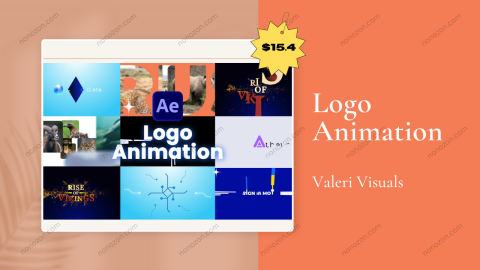
Logo Animation
by Valeri Visuals
Logo Animation by Valeri Visuals
Check proof of content here:
In today’s hypercompetitive branding landscape, where first impressions are crucial, logo animation has emerged as a game-changing tool in digital marketing. Imagine a world where a static emblem—a simple blend of shapes and colors—evolves into a compelling motion sequence that instantly grabs attention and stays etched in memory. This is the power of logo animation, a realm where Valeri Visuals excels, transforming logos into immersive visual narratives that embody innovation and emotional resonance.
This article explores how animated logos are reshaping brand identity, delves into the creative processes behind them, and looks ahead at what the future holds for this dynamic medium.
The Power of Animated Logos in Brand Communication
Animated logos act as a bridge between brands and audiences, going beyond the static limitations of traditional design. While a still logo can easily fade into the background, animated logos command attention, prompting viewers to linger just a little longer. This extra moment of engagement can ignite curiosity, emotional connection, and brand recall.
Valeri Visuals stands out by seamlessly blending design and motion to tell brand stories that linger in the audience’s mind. Their animations aren’t just eye-catching—they’re purposeful, evoking emotion while reinforcing brand identity.
Understanding the Benefits of Logo Animation
The rising popularity of animated logos isn’t incidental. These animations offer tangible benefits for brand perception, engagement, and recall. Studies indicate that animated logos can increase brand memorability by as much as six times compared to static designs. The movement, rhythm, and storytelling embedded in animation foster stronger emotional connections—key to long-term brand loyalty.
Animated logos also provide a dynamic avenue for storytelling. Unlike static images that are limited in expression, animated logos can unfold mini-narratives that communicate a brand’s values, mission, and unique identity. For instance, a startup in renewable energy might animate its logo with blooming plants or flowing water to highlight sustainability. This layered storytelling helps brands connect with audiences on a deeper level—visually and emotionally.
Enhancing Brand Identity Through Animation
Animation serves as a multidimensional canvas where movement, sound, and color can work together to articulate brand essence. A meticulously crafted logo animation doesn’t just attract attention; it reinforces the brand’s personality and core message. For example, when tech giants like Apple subtly animate their logos with sleek glimmers or motion, it communicates elegance, innovation, and quality.
Additionally, animated logos are highly adaptable across digital platforms—social media, websites, YouTube intros, and app interfaces. As over 70% of users now prefer video content for learning about products, the animated logo becomes a critical part of delivering consistent and engaging brand messaging across touchpoints.
Increasing Engagement with Animated Logos
In a digital space saturated with content, brands have mere seconds to grab attention. Animated logos offer a potent antidote to this content fatigue. Research shows that using animation in branding can elevate user engagement by more than 50%.
The key lies in the emotional and narrative power of animation. A logo for an eco-conscious brand, for example, could animate with leaves swaying or sunlight glinting to embody harmony with nature. These elements don't just attract attention—they resonate.
Moreover, animated logos often prompt interaction. Whether it’s clicking for more information or sharing the content on social media, animated logos act as gateways to deeper brand involvement. In this sense, they are not merely decorative—they are strategic tools for amplifying reach and strengthening brand-consumer relationships.
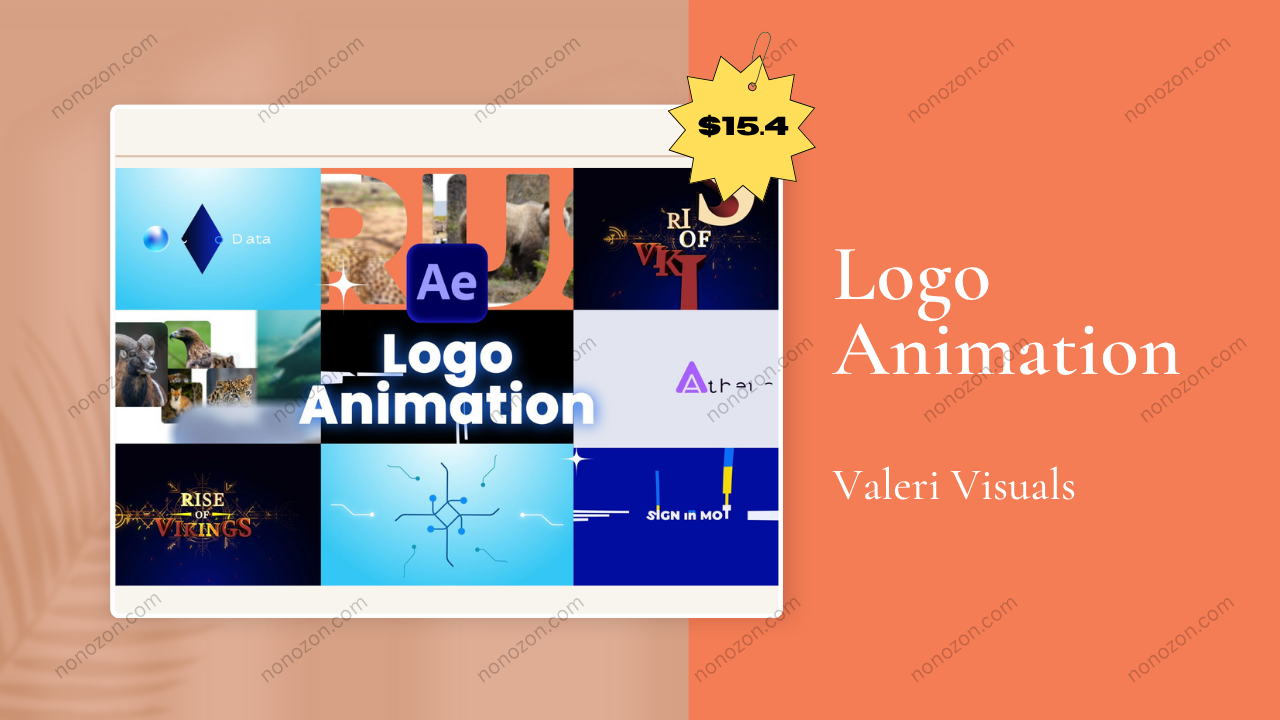
Instant Download Logo Animation by Valeri Visuals
Boosting Conversion Rates via Visual Appeal
Beyond engagement, animated logos also have a measurable impact on conversions. By creating a visually appealing and emotionally resonant first impression, animated logos guide consumers down the funnel—from curiosity to action. Studies suggest that brands can see conversion increases of up to 30% when animation is part of their visual identity strategy.
One key factor is clarity. A well-designed animated logo quickly conveys a brand’s essence. Spotify exemplifies this: its animated sound waves visually echo its musical identity, reinforcing what the brand offers in mere seconds.
Moreover, animated logos often enhance CTAs (calls to action), making them more compelling. A visually fluid, animated CTA can guide the user’s eye and increase the likelihood of clicks, sign-ups, and purchases—especially in an age of shortening attention spans.
The Art and Craft of Logo Animation
Creating compelling logo animations requires a set of specialized techniques that bring static designs to life. Valeri Visuals offers insights into these techniques, ensuring that both newcomers and seasoned professionals can master the art.
Keyframing is a cornerstone technique, allowing animators to set specific points in time where changes occur. Besides, layer management proves essential; animators benefit from organizing and using pre-compositions to streamline complex animations. Motion graphics essentials, such as easing movements, create natural and appealing transitions, providing viewers a more immersive experience.
Moreover, including elements like 3D graphics enhances depth and dimensionality in animations. Integration of sound design, carefully syncing sound effects to animations, reinforces brand identity and elevates the viewer experience further. Each of these techniques contributes to making the logo animation not just visually compelling but finely tuned to create a synthesis of sight and sound that captures and sustains interest.
Motion Graphics as Storytelling
Motion graphics take logo animation to the next level by injecting energy, symbolism, and rhythm into branding. Techniques such as rotational transitions, fading layers, or glowing particles are more than eye candy—they carry meaning. A subtle color gradient shifting across a logo, for example, can symbolize transformation or growth.
Motion techniques allow brands to evoke a wide range of feelings—from excitement to calm—helping logos reflect not just who the company is, but how it wants to make customers feel.
The Role of Layering in Creating Depth
Using multiple layers in a logo animation adds dimension and complexity. Translating a simple logo into a layered animation can turn a flat visual into a dynamic experience. This approach invites audiences to engage more deeply and appreciate the story unfolding behind each movement.
By breaking a logo into elements—such as text, icons, or background effects—and animating them independently, designers create a choreography that tells a more nuanced brand story.
Color Theory in Animated Logos
Color plays a pivotal role in shaping viewer perception and emotional response. In logo animation, color can guide the viewer’s emotions and perceptions with even more precision.
Understanding basic color theory enables animators to select hues that reinforce brand values—like blue for trust, red for passion, or green for sustainability. Color consistency is also essential; maintaining a unified palette across all animations strengthens brand recall, with research suggesting up to an 80% improvement in recognition through consistent color use.
Animated color transitions—like gradients or pulsating tones—can add vibrancy and movement, keeping the audience’s eyes engaged and reinforcing emotional cues.
Sound Design: The Unsung Hero of Logo Animation
Sound design is often the secret ingredient that takes logo animation from good to unforgettable. A well-timed swoosh, chime, or bass drop can amplify a visual moment, reinforcing emotional impact and enhancing brand recall.
Valeri Visuals excels in crafting soundscapes that align perfectly with their animated visuals. Whether it’s a crisp digital ping for a fintech company or soft ambient tones for a wellness brand, sound helps shape perception and deepen engagement.
Sonic branding—the use of consistent audio cues—can be as memorable as a visual logo. Think of Intel’s iconic jingle or Netflix’s startup sound. These short audio snippets become deeply associated with the brand experience.
Tools and Software Behind the Magic
The landscape of logo animation has expanded, with a plethora of tools and software available to assist both budding animators and seasoned professionals. While Adobe After Effects remains a popular choice for its powerful features and extensive customization options, alternative solutions cater to different skill levels and project needs.
Renderforest stands out as a user-friendly platform that offers template-based editing to speed up the animation process. Animaker simplifies animation creation with a drag-and-drop interface, making it approachable for newcomers. Meanwhile, tools like SVGator focus on creating scalable vector animations specifically for logos ideal for maintaining quality across digital formats.
Adobe After Effects: The Industry Standard
Adobe After Effects is a cornerstone of professional logo animation. With its robust layer-based system, vast effects library, and 3D capabilities, it offers unmatched creative freedom. The software also supports plugins that extend its functionality, enabling everything from particle simulations to real-time physics.
Its integration with other Adobe tools like Illustrator and Premiere Pro makes it especially effective for designers working across platforms.
Overview of Adobe After Effects for Animators
Adobe After Effects stands out as a highly adaptable tool, widely used in the animation industry for its precision and creative flexibility. Operating on a layer-based editing system, it allows animators to manipulate individual elements independently, which is ideal for crafting complex, multi-layered animations.
Built-in effects and motion graphics presets significantly speed up the animation process, making the software approachable for beginners while still offering deep control for advanced users. Its strong 3D capabilities—especially in terms of camera movements and lighting effects—enable the addition of depth and realism to animations such as logo reveals.
After Effects also boasts powerful rendering options that ensure high-quality outputs across various platforms and formats. Moreover, the vast library of third-party plugins enhances its core functionality, empowering animators to extend the software's capabilities and push creative boundaries.
Comparing Software: Blender vs. After Effects
When it comes to choosing software for logo animation, two prominent contenders are Adobe After Effects and Blender—each excelling in different domains.
Blender is a free, open-source powerhouse ideal for comprehensive 3D animation. It includes advanced modeling, sculpting, and rigging tools, making it a top choice for animators working on detailed, geometry-heavy logo animations or full 3D scenes. Its real-time rendering engine (Eevee) and path-tracing engine (Cycles) offer flexibility for both preview and final output quality.
Adobe After Effects, by contrast, is the go-to software for 2D motion graphics, visual effects, and compositing. It’s particularly effective for kinetic typography, transitions, and stylized 2D logo animations. Seamless integration with other Adobe Creative Cloud apps—such as Illustrator and Photoshop—streamlines workflows, especially in design-heavy environments where assets originate in other Adobe programs.
In summary, Blender is best suited for intricate 3D work, while After Effects dominates in 2D motion graphics and compositing. The choice ultimately depends on the style and complexity of the logo animation you intend to create.
Comparing Software: Blender vs. After Effects
When evaluating software for logo animation, two dominant tools often emerge in discussions: Blender and Adobe After Effects. Blender, as a free and open-source option, excels in 3D animation and is packed with robust modeling capabilities. For extensive 3D logo work where detailed animations are required, Blender provides unparalleled utility.
On the other hand, After Effects remains the industry standard for 2D animations and motion graphics. Its integration with other Adobe products is a key advantage, allowing for smoother workflows when combining creation efforts.
Comparison Table: Blender vs. After Effects
Feature | Blender | Adobe After Effects |
Pricing | Free | Subscription-based (Approx. 22.99 USD/month) |
Animation Type | Primarily 3D | Primarily 2D |
Integration | Limited | Excellent with other Adobe tools |
Learning Curve | Steeper | Moderate |
Community Support | Robust online community | Strong Adobe support |
Free vs. Paid Tools: What to Choose for Logo Animation
Choosing between free and paid animation software ultimately hinges on individual needs, project requirements, and budget constraints. Blender's free access positions it as an attractive solution for individuals and small businesses looking for robust 3D animation capabilities without incurring costs.
Conversely, professional animators and businesses may find value in investing in tools like Adobe After Effects due to their professional-grade features, extensive customization options, and superior community support. Ultimately, the decision should align with project goals and the required complexity of the animations being developed.
Evaluating Logo Animation Quality
As brands actively adopt logo animation, evaluating the quality of these animations becomes essential. Key factors such as brand representation, aesthetic appeal, memorability, and functional versatility must be considered. A logo animation should encapsulate the brand's identity, aesthetically engage the viewer, and remain functional across various platforms.
Key Factors to Assess in Logo Animation
Evaluation of logo animation quality involves several factors:
- Brand Representation: Ensuring the animation aligns with the brand's messaging.
- Aesthetic Appeal: Assessing the visual design elements to maintain engagement.
- Memorability: Gauging how easily recognizable and distinctive the animation is.
- Functional Versatility: Ensuring it performs well across different platforms.
- Technical Quality: Checking for smooth transitions and clarity.
- Engagement Metrics: Analyzing audience interactions to gauge effectiveness.
Understanding these factors allows brands to assess their logo animation's impact accurately and ensure they resonate with their intended audience.
Understanding Animation Timing and Fluidity
Animation timing and fluidity play pivotal roles in creating effective logo animations. Timing refers to the pacing of movements and transitions, which directly influences how engaging an animation feels. Fluidity relates to the smoothness of these motions. For example, tech brands might prefer quick and precise movements to reflect innovation, while luxury brands may favor graceful and slower transitions to convey sophistication.
How to Analyze Color Usage in Logo Animation
Discerning how color is used in logo animation is another key element. Color choices influence recognition and convey emotional responses, drawing consumers into the brand's message. Analyzing how colors transition or maintain consistency across various animations provides valuable insights into the effectiveness and relevance of the branding efforts.
Successful Logo Animation Examples
Brands around the world leverage logo animation to create captivating identities that resonate with their audiences. Some successful examples include Google, which creatively animates its logo for special events, enhancing engagement and interactions.
- Google Doodles: Icons of innovation and playfulness that resonate widely and boost brand recognition.
- Airbnb: Uses smooth transitions to embody warmth and hospitality, forging deep emotional connections with users.
- Intel: Subtle yet impactful movements communicate a message of leading-edge technology.
Case Study: Valeri’s Logo Animation in Action
Valeri Visuals embodies the essence of successful logo animation through its structured approach to teaching animators. By emphasizing crucial principles such as storytelling, color theory, and sound design, Valeri equips learners with a well-rounded understanding of how to transform simplistic concepts into engaging animated logos.
Through practical exercises and in-depth analysis of real-world applications, learners grasp the bottlenecks and opportunities in crafting animations for diverse industries. This case study reinforces how effective animated logos can play a pivotal role in branding strategy and consumer connection, enabling businesses to expand their footprint in an oversaturated market.
Celebrity Brands and Their Animated Logos
Celebrity brands are increasingly implementing animated logos as part of their identity. These logos often reflect the unique character of the celebrity, along with the brand's broader message and values.
- Kylie Cosmetics: Kylie Jenner’s playful animated logo resonates with the vibrant energy of the beauty industry appealing strongly to a youthful audience.
- Fenty Beauty: Rihanna’s brand utilizes sleek transitions that symbolize inclusivity and modernity establishing a powerful connection to its target demographics.
- Jay-Z’s Roc Nation: Bold animations convey confidence and ambition, align with the high-energy culture of the music industry, ultimately driving brand loyalty.
Using animated logos effectively helps generate brand stories that captivate viewers and enhance identity within the celebrity culture sphere.
Analyzing Iconic Logo Animations Across Industries
Exploration of iconic logo animations across various sectors highlights trends in branding strategies that prioritize engagement, emotional resonance, and versatility. Industries from technology to fashion increasingly recognize the value of animated logos, utilizing storytelling elements to create connections with consumers.
For instance, Disney employs animation to evoke nostalgia and cultivate emotional ties, while sports brands integrate movement to reflect energy and athleticism. The successful juxtaposition of these elements showcases how animated logos can become a significant touchpoint for brand storytelling and audience engagement.
Future Trends in Logo Animation
The evolution of logo animation is promising, driven by emerging technologies and creative techniques that enhance effectiveness. One future trend is an increased focus on 3D and depth effects due to advancements in display technologies. Brands are expected to create visually stunning logos that transcend traditional 2D limitations, creating immersive visual experiences.
Additionally, AI-driven animation is poised to enhance output speeds while allowing for personalized animations that resonate more deeply with consumers. Technologies like Augmented Reality (AR) will introduce new ways for audiences to experience logos in their everyday environments, solidifying brand identities in innovative manners.
Exploring Emerging Technologies in Animation
As the animation landscape continues to evolve, new technologies are set to revolutionize logo animations further. From AI to AR, the fusion of innovation provides opportunities to enrich viewer experiences and create memorable connections with brands.
- AI-powered tools are likely to facilitate rapid production, automate tasks, and optimize animations based on viewer preferences.
- Interactive components enable logos to adapt in real-time based on user engagement, leading to more personalized brand experiences.
Brands that embrace these emerging technologies will undoubtedly establish a competitive edge through engaging, memorable, and modern animations.
The Role of AI in Logo Animation
AI's incorporation into logo animation forecasts an exciting future where designers will have access to robust tools that streamline processes and foster creativity. By automating repetitive tasks such as generating motion sequences AI empowers designers to focus on their creative instincts while ensuring the efficiency of output.
Additionally, AI's ability to analyze viewer preferences offers new perspectives in crafting personalized animations that resonate. These insights facilitate an understanding of audience engagement patterns, leading brands to create content that aligns with consumer expectations.
Predictions for Logo Design and Animation in the Next Five Years
Looking toward the future, logo design and animation will likely focus on merging creative ideas with technological innovations. We can predict an increased emphasis on sustainability in animation practices, utilizing eco-friendly tools and methods. Moreover, the trend toward dynamic and responsive logos will become more pronounced, catering to evolving user demands.
As we charge into this vibrant future, the significance of logo animations can’t be overstated. The journey ahead promises to be as exhilarating as the transformations within the logos themselves poised to engage audiences with creative narratives that breathe life into brands.
Conclusion
In summary, logo animation represents not just a trend but a significant evolution in branding, employing techniques from storytelling to sound design that amplify emotional resonance and audience engagement. Valeri Visuals exemplifies expert craftsmanship in this field, showcasing the importance of integrating creativity with strategy. As technology progresses, the landscape of logo animation will continue to transform, ensuring that brands remain relevant and impactful in today's dynamic marketplace. Companies looking to innovate their branding strategies must embrace logo animation as a powerful component of their identity, making the leap from static to dynamic, thus fostering deeper connections with their audiences.