
The Science Of Color
by Kate Woodman
The Science of Color by Kate Woodman: A Comprehensive Review
Check proof of content here:
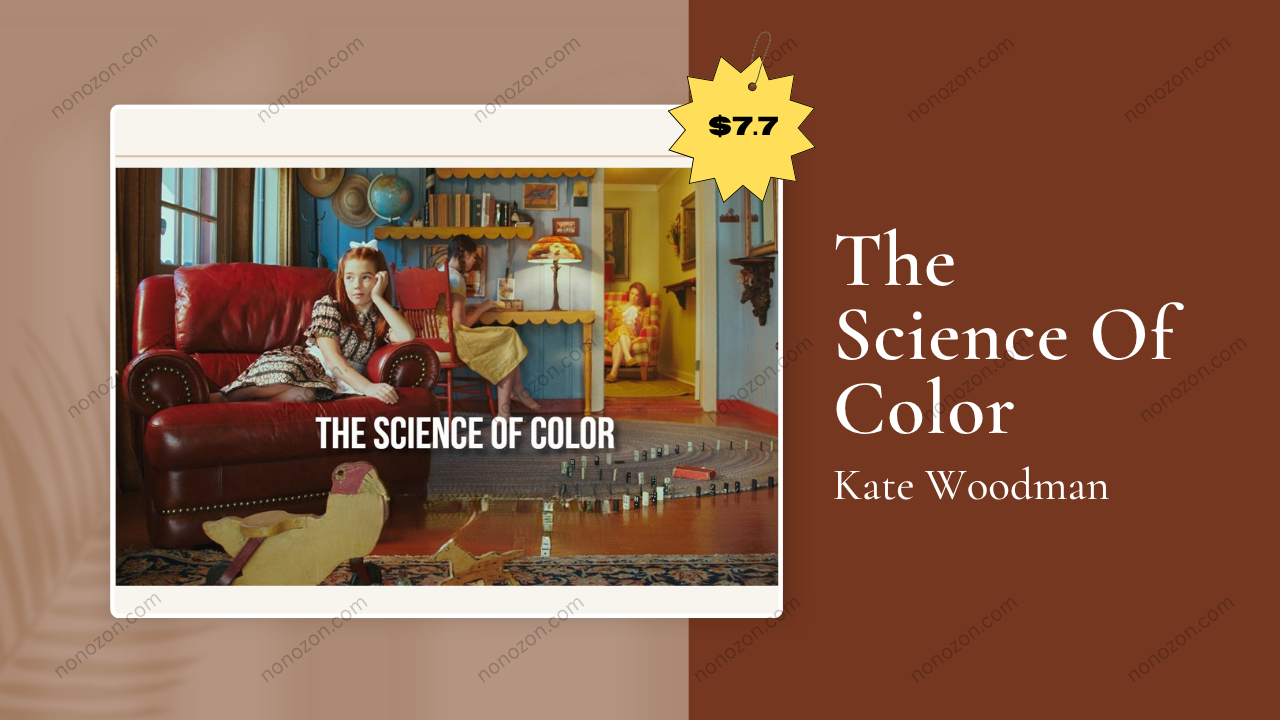
For photographers aiming to refine their craft and deepen their visual storytelling, The Science of Color by Kate Woodman is a standout course. It offers a thorough dive into color theory, seamlessly paired with its hands-on applications in photography. With her background in structural engineering, Woodman brings a distinctive analytical perspective to color, delivering a course that is both methodical and creatively inspiring. This review outlines the course’s central components, the real-world application of its concepts, and the unique strengths of Woodman’s teaching approach.
Understanding Color: The Core Elements
At the heart of the course lies a clear breakdown of the key building blocks of color: hue, saturation, and luminosity. These components are foundational for photographers, as they shape how images are interpreted. Hue represents the basic color (like red, yellow, or blue), saturation determines its vividness, and luminosity addresses its brightness. Woodman’s clarity in dissecting these basics paves the way for learners to engage with more sophisticated color strategies.
One of her standout strengths is a focus on color harmony and balance. She explains various harmonic color pairings and their psychological or narrative impact. For instance, complementary colors create striking contrast and tension, while analogous schemes offer a soothing, unified visual flow. Mastery of these concepts enables photographers to use color not just decoratively, but expressively.
Woodman emphasizes that recognizing colors is just the beginning—intentional manipulation is the goal. Her framework helps students use color as a deliberate tool to evoke emotion and elevate the storytelling power of their photographs.
Practical Application of Color Theory
A hallmark of Woodman’s course is its practical, hands-on nature. Each module is rich with exercises and applied examples, encouraging students to test how different lighting and environmental conditions affect color perception.
One memorable exercise involves interpreting emotional tone through color. Learners compare images like a gentle pastel-toned landscape and a bold, saturated urban scene. This contrast teaches how color not only enhances aesthetics but also shapes the emotional narrative embedded in a photo.
Crucially, Woodman helps students develop an awareness of the psychological effects of color. She explores how warm tones can convey comfort or energy, while cool palettes suggest calm or isolation. By focusing on this emotional dimension, photographers gain a more nuanced understanding of their creative choices.
Instant Download The Science Of Color By Kate Woodman
The Impact of Teaching Style
Woodman’s teaching is characterized by clarity and directness. She distills complex topics into understandable segments, making color theory approachable for beginners without dumbing it down for experienced professionals. Her style resonates with students because it strikes a balance between technical precision and creative exploration.
Advanced photographers will appreciate how she reexamines familiar concepts through a new lens, often revealing subtleties they may have overlooked. Her presentations are engaging and easy to follow, with a strong emphasis on practical use.
By integrating interactive tasks and real-world examples, she keeps learners motivated and creatively engaged. This hands-on, workshop-like feel encourages experimentation, helping students not just absorb information, but apply it effectively.
The Emotional Aspect of Color in Storytelling
A distinctive aspect of the course is its deep dive into how color can drive emotional response and narrative structure. Woodman explains that different hues carry emotional associations—such as red evoking urgency or passion, while blue may invoke tranquility or melancholy.
She challenges students to think beyond aesthetics and explore how color can guide a viewer's feelings or foster empathy. This emotionally informed approach transforms photography from mere documentation into an expressive, communicative medium.
This thoughtful perspective aligns with Woodman’s engineering background: she treats color like a carefully designed framework—an “architecture of emotion” that supports powerful storytelling. It’s an approach that gives structure to creativity, helping photographers craft deeper, more resonant images.
Practical Demonstrations and Real-World Applications
To ground her teachings in reality, Woodman includes numerous demonstrations that bridge theory and practice. She walks through scenarios like shooting during different weather conditions—fog versus sunlight—and examines how those shifts affect color dynamics.
These real-life case studies are invaluable for showing how abstract theory plays out in actual photographic contexts. They give students the confidence to adapt and make intentional choices in varied shooting environments and post-production stages.
Woodman also addresses the technological side of color management, such as how digital tools and software can be used for color grading. These insights help students understand the full lifecycle of color in photography—from capturing the shot to refining it in editing.
Comprehensive Learning Experience
The Science of Color offers more than surface-level theory—it’s a complete educational experience that immerses students in the technical and emotional dimensions of color. The course is structured in a way that supports both newcomers and experienced photographers alike.
Beginners will find the foundational lessons easy to follow, while professionals can dive deeper into advanced insights and nuanced applications. The clear progression, from basic principles to complex storytelling techniques, ensures that every student walks away with a tangible upgrade to their creative toolkit.
Key Takeaways
Core color principles: Develop a strong grasp of hue, saturation, and luminosity to control how your images are perceived.
Color harmonies: Learn how to use complementary, analogous, and other color relationships to shape mood and narrative.
Interactive learning: Gain experience through hands-on exercises and real-world image analysis.
Emotion through color: Discover how color choices influence viewer emotion and create compelling visual stories.
Applied knowledge: See how theoretical concepts translate directly into practice during shoots and editing sessions.
In conclusion, The Science of Color by Kate Woodman is an essential resource for photographers seeking to master the subtleties of color. With a unique blend of scientific precision and creative insight, Woodman equips students to make deliberate, emotionally resonant choices in their work. Whether you're just starting out or looking to elevate your photography to the next level, this course offers the clarity, tools, and inspiration to take your visual storytelling further.
Related products



Editing Masterclass for Wedding Photographers - Reflections Academy
by Danilo and Sharon
$1.200.00
$59.50