
Training the Brakes (12-Week Program)
by Daniel Bove
Get Training the Brakes (12-Week Program) by Daniel Bove Digital download!
Check proof of content here:

Detailed Review of the Training the Brakes (12-Week Program) by Daniel Bove
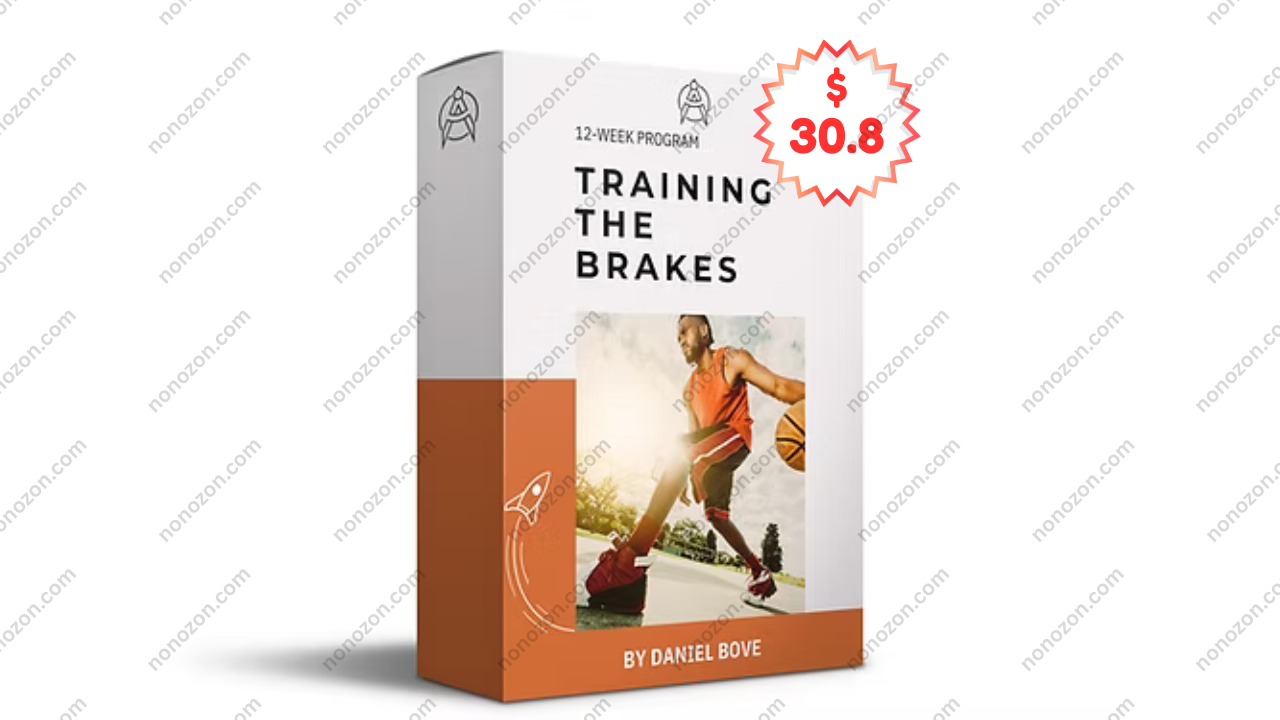
Jumping plays a crucial role in athletic success across many sports such as basketball and volleyball, and having the right training plan can significantly boost performance. One notable program is Training the Brakes, a carefully designed 12-week system created by Daniel Bove. This program targets high school athletes and those with a minimum of two years of resistance training experience, emphasizing the enhancement of jump ability and lower body power. The program’s foundation is based on kinematic concepts related to jumping, particularly focusing on the "braking" mechanism, which is essential for optimizing jump efficiency.
The core idea behind Training the Brakes is teaching athletes how to control their velocity during jumps, improving performance by enhancing force application. It works by controlling excessive movements through a braking effect that allows for better control and explosiveness. Athletes learn how to efficiently use their strength and power, applying these improvements to their sport-specific skills. This method is not only backed by science but also engaging, combining evidence-based principles with practical guidance to create an effective training atmosphere.
Program Structure and Flexibility
The Training the Brakes program is broken down into three distinct phases, each lasting four weeks. This setup supports a gradual increase in training difficulty and intensity, giving athletes sufficient time to adjust and recover. The schedule involves training three times weekly, with optional deload weeks inserted between phases to facilitate recovery and adaptation.
For athletes who might be in-season or juggling various responsibilities, the program’s design offers flexibility. It can be adapted to different training situations, making it suitable for both off-season and preparation periods. This flexibility means athletes can customize the program to fit their personal schedules without losing training effectiveness.
Here is a summary of the training phases:
| Training Block | Duration | Transition | Focus Area |
|---|---|---|---|
| Block 1 | 4 weeks | Optional deload week | Basic movement patterns |
| Block 2 | 4 weeks | Optional deload week | Enhanced complexity & force |
| Block 3 | 4 weeks | Optional deload week | Specific jump mechanics |
This structured method helps athletes manage fatigue and aligns well with academic or competition timelines, enabling smooth integration into busy routines.
Comprehensive Resources
A key highlight of the Training the Brakes program is the wealth of resources provided. Participants get access to a detailed PDF that includes over 100 exercise video links. These videos offer clear demonstrations and instructions, helping athletes understand how to perform each movement properly. This feature is especially helpful for those who might not have a coach or training partner, allowing them to train independently with confidence.
Additionally, the program includes an in-depth explanation of the braking concept in jump performance. This educational content adds a deeper layer to the program, transforming it into more than just exercises—it’s an exploration of the biomechanics involved in jumping. Gaining insight into these mechanics can greatly improve how athletes apply the techniques during training, resulting in better overall progress.
The combination of visual aids and theoretical knowledge promotes athlete autonomy and deepens their understanding of essential training components. This comprehensive approach sets the stage for sustainable athletic development.
Target Audience and Requirements
Training the Brakes is tailored primarily for high school athletes and those who have a solid base of at least two years of resistance training experience. This prerequisite ensures participants have the foundational fitness and familiarity needed for the program’s demands.
To successfully engage with the program and maximize results, athletes should have access to the following equipment:
Barbells: For core strength-building lifts.
Free Weights: For versatile resistance exercises.
Medicine Balls: Useful for dynamic and explosive drills.
Kettlebells: Great for strength and endurance combinations.
Jump Ropes: Effective for agility and cardio conditioning.
Other Resistance Tools: To cover a wide range of muscle groups and training styles.
Having this variety of equipment enables a comprehensive training regimen that addresses multiple aspects of physical development.
Conclusion: Why Choose Training the Brakes?
In conclusion, Daniel Bove’s Training the Brakes offers a well-rounded and scientifically informed program designed to boost athletic performance. Centered on the important concept of braking during jumps, athletes can expect to enhance their jumping ability and overall lower body power.
With its flexible design, thorough resources, and clear target audience, this program is an excellent choice for high school athletes looking to reach their peak. By combining practical exercises with biomechanical principles, Training the Brakes provides a unique opportunity to rethink jumping training and improve performance. Whether during the off-season or in preparation for competition, this 12-week plan is structured to deliver lasting results that support an athlete’s long-term success.
Related products


Rehabilitation and Sports Performance Intensive Online Training
by Author
$199.00
$42.00