
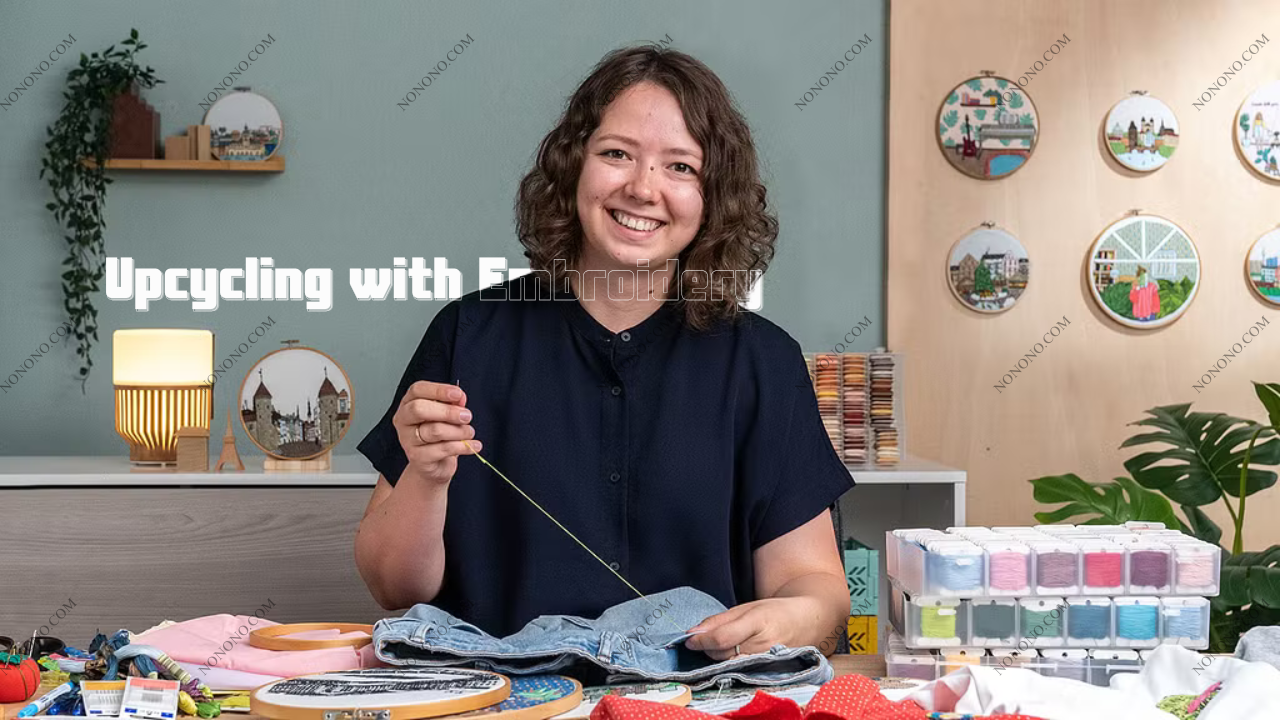
Upcycling with Embroidery
by Author
Upcycling with Embroidery For Digital Download!
Check Proof of Content here:

Upcycling with Embroidery: A Sustainable Creative Trend
In recent times, the movement towards sustainability has accelerated, encouraging many to reconsider their consumption patterns, particularly within the fashion industry. A fascinating and artistic trend gaining popularity is upcycling with embroidery. This technique provides an innovative way to revitalize old clothing while allowing individuals to showcase their personal flair. By blending traditional embroidery skills with upcycling, creators not only reduce fabric waste but also introduce unique decorative elements to their apparel. This article explores the concept of upcycling with embroidery, outlining the methods, necessary tools, learning resources, and its broader influence on sustainability and communities.
Overview of Upcycling with Embroidery
Essentially, upcycling with embroidery is a creative and eco-friendly approach that merges sustainability with artistic expression in fashion. This process involves repurposing worn-out or discarded garments—items that would otherwise end up as waste—and enhancing them using embroidery techniques. The key objective is to combat textile pollution, a critical environmental challenge, while producing distinctive pieces that mirror the maker’s individuality.
In practical terms, this could mean stitching over damaged areas like stains or holes to restore garments, or adding detailed embroidery to simple clothes to boost their visual appeal. The finished items not only become fashionable statements but also carry meaningful stories, reflecting the embroiderer’s craftsmanship and creativity. Designs can vary widely—from minimalist floral motifs or geometric shapes to complex imagery that narrates a message or theme.
Furthermore, this method fosters a special connection between creators and their clothing. Each garment transforms into a personal work of art, offering customization that mass-produced fashion cannot achieve. This trend not only supports a greener fashion industry but also inspires consumers to appreciate their wardrobe more deeply.
Techniques and Tools
Embroidery techniques are fundamental to the upcycling journey, enabling makers to creatively modify their garments. Popular stitches include backstitch, satin stitch, and French knots—each providing different textures and aesthetics. The selection of technique depends on the creator’s expertise and the desired visual outcome.
Several essential tools help bring these techniques to life:
Embroidery hoops: Keep fabric stretched for consistent stitching
Needles: Available in various sizes to suit different fabrics and embroidery styles
Colored threads: Using contrasting or matching shades can dramatically enhance the design
Beyond stitching, many upcycling projects also use appliqué by attaching fabric scraps, which allows for larger, bolder designs and exciting color contrasts. Choosing fabric scraps, whether sourced from other old garments or bought separately, offers endless creative potential.
Understanding design plays a crucial role in producing effective upcycled pieces. Whether it’s a simple monogram or an elaborate pattern, each creation is a form of self-expression.
Courses and Learning Resources
For those eager to master upcycling with embroidery, numerous online courses are available. Platforms like Domestika provide specialized classes covering basic to advanced embroidery and repair techniques tailored to clothing.
Participants frequently praise these courses for their:
Comprehensive curriculum: Suitable for all skill levels, from beginners to advanced learners
Practical advice: Useful tips that help avoid common mistakes
Confidence boost: Encourages learners to take on more complex projects
In addition to formal classes, many free tutorials and video guides are accessible online, especially on Instagram and Pinterest, where creators share their experiences and tips widely.
DIY Guides and Tips
If you’re new to upcycling with embroidery, detailed step-by-step guides can offer valuable assistance. These instructions typically cover everything from garment selection and fabric preparation to the embroidery process itself.
Here’s a basic DIY approach:
Choose the Garment: Pick a piece that has meaning to you or could use a creative update
Prepare the Fabric: Make sure it’s clean and smooth; ironing may help create an even surface
Select the Design: Start simple, and gradually try more complex patterns as you gain confidence
Set Up: Use an embroidery hoop to keep the fabric taut and easy to stitch on
Stitching: Follow your chosen pattern, using preferred stitches and taking breaks as needed
Final Steps: Trim excess threads and consider adding backing fabric for durability
Starting with simple designs and complementary thread colors will help beginners create pieces that showcase both creativity and style.
Creative Project Ideas
Upcycling with embroidery offers limitless creative opportunities. Here are some ideas to inspire you:
Embroider pockets on jeans or jackets for a playful accent
Add floral or decorative patterns to collars and cuffs to elevate basic shirts
Use appliqué with fabric scraps to patch holes or add flair to plain garments
Design themed embroidery for holidays or special occasions, incorporating seasonal motifs
Exploring these concepts allows you to craft unique garments that stand out while promoting sustainable fashion. These projects are not only artistic but also give new life to previously unusable clothing.
Community and Sustainability Impact
Participating in upcycling with embroidery creates a supportive community united by shared values of creativity and environmental responsibility. Many practitioners find joy not only in their creations but also in their contribution to reducing waste. They share their work on social media, inspiring others to adopt similar sustainable habits.
The environmental benefits are significant. By choosing to repair and embellish old clothes, individuals help lessen the enormous amount of fashion waste that harms ecosystems. This mindset shift is vital as the fashion industry continues to face challenges posed by fast fashion and its disposable culture.
Sustainable fashion advocates promote such upcycling initiatives through workshops, events, and online groups, helping to build a strong, creative, and environmentally conscious community.
Critiques and Praise
Like any rising trend, upcycling with embroidery receives both acclaim and criticism. Supporters emphasize the emotional satisfaction and creative fulfillment gained from these projects. Many value the opportunity to bring new life to old fabrics in a way that reflects personal style.
Conversely, some critics note the steep learning curve associated with embroidery, which might discourage beginners. However, effective teaching and guidance can ease this process, making the craft more approachable and enjoyable. Good instruction is key to helping participants succeed and feel empowered.
Overall, the feedback highlights numerous advantages, including personal development, environmental benefits, and a sense of belonging within a creative community. As more people engage with this art form, it continues to grow as a meaningful part of sustainable fashion.
Conclusion
To sum up, upcycling with embroidery is an inspiring and eco-conscious practice that enriches modern fashion. By revitalizing old garments, individuals can express unique creativity while contributing to reducing textile waste. The expanding community around this trend marks a positive shift toward mindful and innovative fashion choices. With plentiful resources and endless possibilities, there’s no better time to explore embroidery-based upcycling. Whether you’re an experienced artisan or just beginning, your creative efforts can make a lasting impact both personally and globally.
Related products

Watercolor Illustration: Recreate Your Most Iconic Scenes
by Carlos Rodríguez Casado
$39.00
$7.70
Imaginary Worlds Illustrated with Ink and Watercolor
by Flor Kaneshiro
$39.00
$7.70