
Virtual Reality Explained
by Business Explained
Get Virtual Reality Explained by Business Explained Digital download!
Check proof of content here:

Virtual Reality Explained in Business Applications
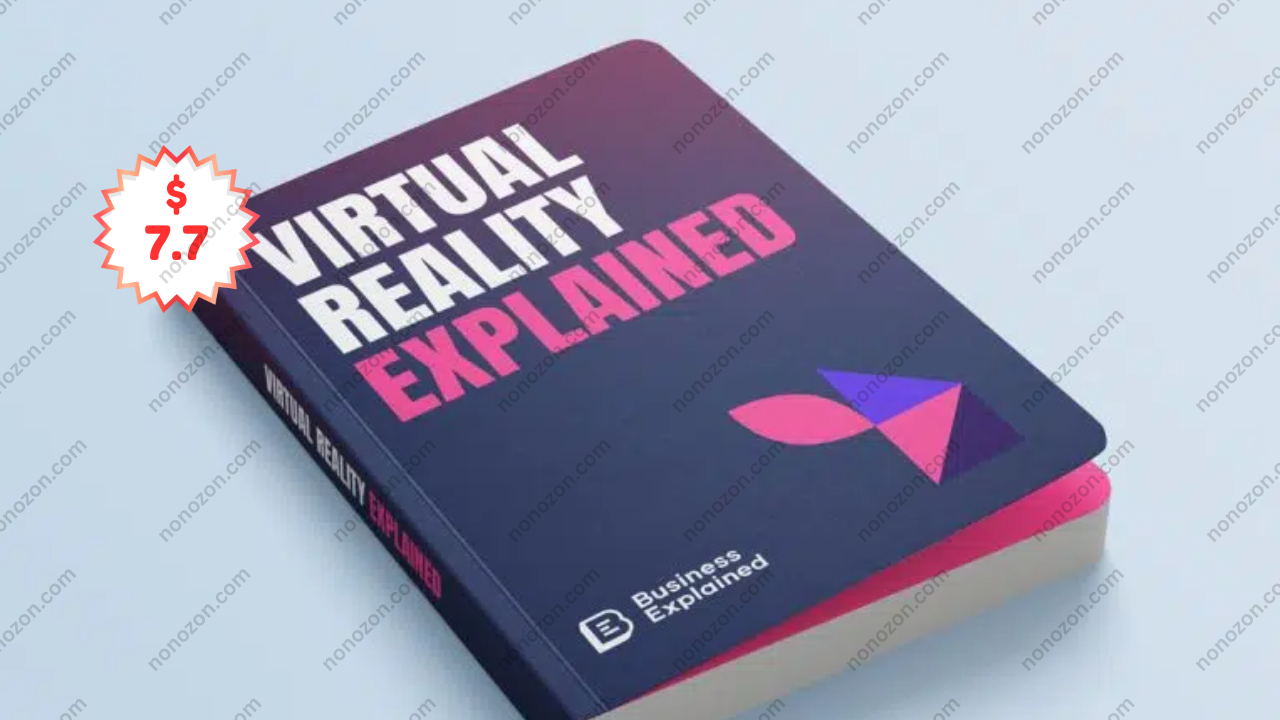
Virtual reality (VR) is not just a futuristic concept; it is a tangible, immersive multimedia technology that is making significant waves across various industries today. This advanced technology creates a simulated environment that allows users to interact with a computer-generated world in real-time, providing an experience that is both engaging and impactful. The applications of VR span a variety of sectors, enhancing both training programs and user experiences in businesses. This article aims to elucidate the diverse facets of virtual reality as explained through business applications, highlighting its definition, relevance, recent market trends, and real-life implementations.
Definition and Mechanics of VR
At its core, virtual reality is a cutting-edge technology that generates a computer-simulated environment. Users typically engage with this environment through specialized headsets and accessories, offering an interactive experience that is both immersive and convincing. Through these devices, users can experience visual and auditory stimuli that mimic the sensations of being in a physical space.
Sensory Engagement: VR technology does not just deliver visual content; it employs a variety of sensory inputs to enhance immersion. Some headsets are equipped with motion tracking sensors that detect the user’s movements, allowing a seamless transition between the real world and the simulated environment. Furthermore, haptic feedback systems deliver tactile sensations, making interactions feel more lifelike.
3D Environments: The experience is usually rendered in a 3D environment, making it feel as if participants are truly walking through a virtual space. This level of engagement has made VR a revolutionary tool in various business sectors, particularly in areas requiring hands-on experiences or intricate simulations.
This unique ability to immerse users in a dynamic environment makes VR a powerful tool for transforming learning experiences, consumer engagement, and operational efficiencies.
Applications of VR in Business
The versatility of VR technology allows for its application across a multitude of industries, each benefiting uniquely from its immersive capabilities. Below are some illustrative examples of how VR is making an impact in various business sectors:
Healthcare Training: The healthcare industry has been one of the frontrunners in utilizing VR for training purposes. Medical professionals can practice complex surgical procedures in a risk-free environment, honing their skills without endangering patients. By simulating real-life scenarios, VR enhances their preparedness, ultimately leading to better patient outcomes.
Real Estate: In the realm of real estate, virtual tours have transformed the way potential buyers explore properties. Prospective homeowners can now view homes remotely, gaining valuable insights into properties without the need for physical visits. This capability not only saves time but also facilitates informed decision-making and enhances customer engagement.
Product Design and Development: In manufacturing and product development, VR allows teams to visualize and test prototypes before they enter production. Whether it’s a new automotive design or a consumer electronic device, VR can showcase products in a 3D model, enabling team collaboration and refining designs while reducing costs associated with physical prototyping.
Market Growth and Economic Impact
The global VR market is on an upward trajectory, with substantial growth projected in the coming years. According to industry analyses, the market is expected to expand from approximately $32.64 billion in 2024 to an estimated $244.84 billion by 2032. Such a dramatic increase can be attributed to continuous advancements in VR technology and its broader acceptance across various sectors.
Furthermore, the integration of VR and augmented reality (AR) technologies is anticipated to contribute approximately $1.5 trillion to global GDP by 2030. This potential comes from increased efficiencies, new business opportunities, and enhanced customer experiences, supporting the argument that investing in VR technologies could yield substantial economic benefits.
| Year | Estimated Market Size | Projected Economic Contribution (VR + AR) |
|---|---|---|
| 2024 | $32.64 billion | - |
| 2032 | $244.84 billion | $1.5 trillion by 2030 |
Training and Development
One of the most compelling applications of VR resides in training and development. Companies that integrate this technology into their training protocols often see significant improvements in employee engagement and retention.
Corporate Training: For instance, retail giants like Walmart and delivery companies such as UPS are already utilizing VR training programs to prepare employees for various on-the-job scenarios. By simulating different environments and challenges, these companies can immerse new hires in real-life situations that are difficult to replicate in traditional training settings.
Enhanced Retention: The immersive nature of VR ensures that learners are not passive recipients of information but active participants in the training process. As a result, employees are more likely to retain information and apply it effectively in their roles, leading to improved productivity and job satisfaction.
Consumer Engagement
In today's highly competitive market, consumer engagement is pivotal. Businesses are increasingly leveraging VR to create enriching customer experiences.
"Try-Before-You-Buy": Brands can now offer consumers the ability to interact with products in a virtual environment before making a purchase. For example, home improvement retailer Lowe's has developed a VR application that allows users to visualize home renovations. This not only aids customers in making informed decisions but also enhances the overall shopping experience, bridging the gap between digital interaction and physical product engagement.
Immersive Brand Experiences: Companies, particularly in the fashion and cosmetic industry, use VR to allow customers to experience their products in a setting that mimics real-life usage. This innovative consumer engagement strategy fosters loyalty and encourages informed purchases, ultimately benefiting businesses' bottom lines.
Challenges and Considerations
Despite its numerous advantages, the integration of VR in business is not without obstacles. Several notable challenges continue to deter businesses from fully adopting this technology.
High Setup Costs: The initial investment in VR technology can be steep, with the costs of headsets, software development, and ongoing maintenance potentially deterring smaller businesses. Such financial barriers may limit the accessibility of VR technology to larger corporations only.
User Comfort: Issues like motion sickness and user discomfort can arise, especially if the VR experience is not designed with the end-user in mind. Addressing these concerns is crucial for enhancing user experiences and promoting widespread adoption. Businesses should conduct thorough testing and gather feedback to optimize their VR solutions for user comfort and enjoyment.
Detachment Issues: Another consideration is the potential for VR to create a sense of detachment among customers. As interactions become increasingly digital, there is a fine line between enhanced engagement and diminished personal connection. Companies must strike a balance to ensure that while they leverage technology, they maintain a personal touch in customer interactions.
Conclusion
In summary, virtual reality represents a transformative technology with extensive applications in business. By enhancing training, customer engagement, and product development, VR continues to shape the future of various industries. As the market grows and technology becomes more accessible, the successful integration of VR within business operations depends on addressing challenges, optimizing user experiences, and harnessing the economic benefits that VR technologies can offer. By navigating these complexities, businesses can unlock the full potential of virtual reality, driving innovation and improvement in a rapidly evolving technological landscape.