Certified Dialectical Behavior Therapy Professional (C-DBT) Training: An Advanced Online Skills Training for Adapting Dialectical Behavior Therapy for Everyday Clinical Needs
by Author
Get Certified Dialectical Behavior Therapy Professional (C-DBT) Training: An Advanced Online Skills Training for Adapting Dialectical Behavior Therapy for Everyday Clinical Needs Digital download!
Check proof of content here:
Certified Dialectical Behavior Therapy Professional (C-DBT) Training: An Advanced Online Skills Training for Adapting Dialectical Behavior Therapy for Everyday Clinical Needs
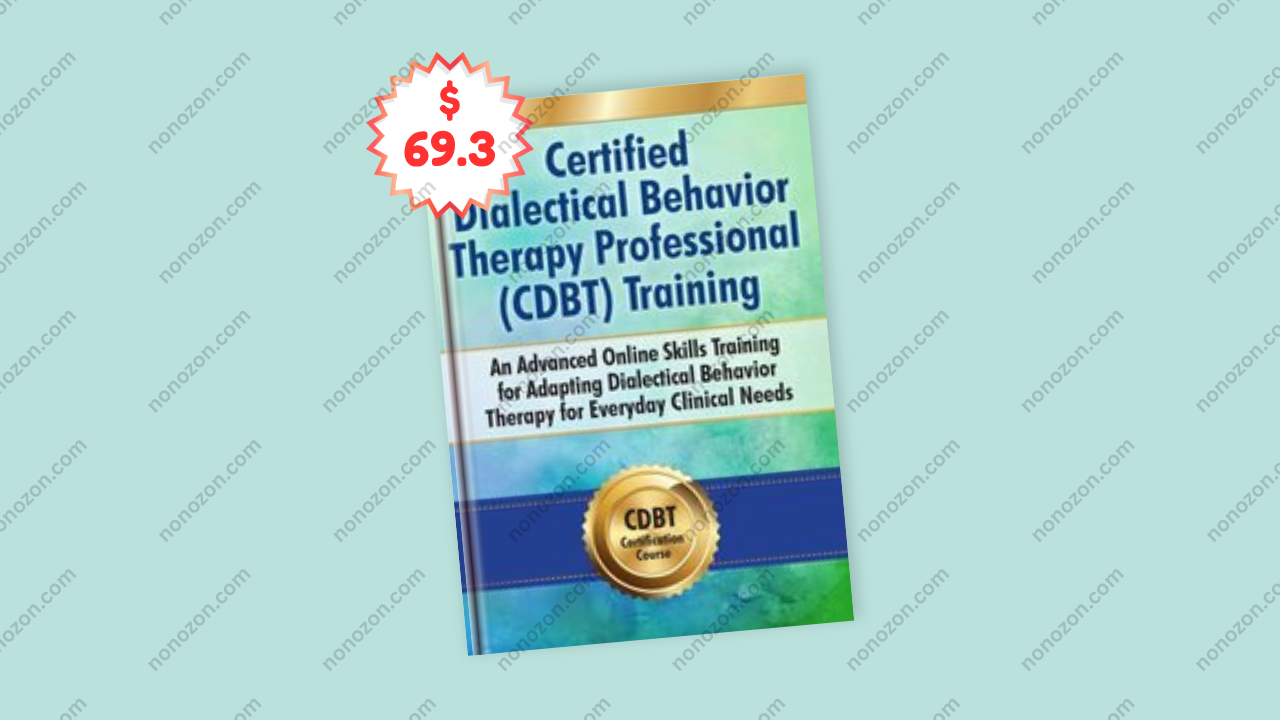
In the dynamic realm of mental health, acquiring the right expertise and training is crucial for clinicians striving to offer impactful therapeutic support. One notable offering is the Certified Dialectical Behavior Therapy Professional (C-DBT) Training, tailored specifically for mental health professionals. This advanced online program provides an in-depth study of Dialectical Behavior Therapy (DBT), a treatment approach well-regarded for addressing emotional dysregulation and associated difficulties. Whether your goal is to deepen theoretical understanding or sharpen clinical skills, this course serves as a vital tool for practitioners aiming to apply DBT techniques in routine clinical settings.
The C-DBT Training includes multiple modules designed to deliver a thorough education. By concentrating on applied skills, it enables participants to incorporate practical DBT strategies into their therapy sessions. Engaging with DBT’s foundational elements helps clinicians become more adept at managing the complex emotional challenges clients face.
Comprehensive Coverage of DBT Principles: Theory Meets Practice
At the heart of the C-DBT Training lies an examination of the four essential DBT components: mindfulness, distress tolerance, emotion regulation, and interpersonal effectiveness. These modules act as pillars for mastering and utilizing DBT principles successfully.
Mindfulness: This section equips clinicians with methods to help clients ground themselves and observe their thoughts and feelings nonjudgmentally. Trainees learn to lead mindfulness practices that cultivate presence and acceptance.
Distress Tolerance: This part explores ways to manage acute emotional turmoil. Clinicians gain strategies to support clients in enduring crises without resorting to harmful coping mechanisms.
Emotion Regulation: Focus here is on recognizing and altering intense emotional reactions. Professionals acquire techniques to assist clients in identifying emotions and responding more adaptively.
Interpersonal Effectiveness: This module highlights communication skills essential for healthy relationships. Participants develop ways to empower clients in expressing needs and setting boundaries.
Through a well-organized curriculum, the C-DBT Training ensures learners grasp theoretical knowledge while enhancing their ability to apply these concepts in therapy.
Engaging Learning Formats: A Multifaceted Approach
The program’s structure reflects a dedication to active participant engagement through a variety of learning methods. Unlike conventional classroom experiences, this training integrates pre-recorded lessons, live sessions, and interactive activities.
This diverse format enriches the learning process, for example:
Pre-recorded videos offer flexible pacing for self-directed study.
Live webinars allow direct interaction with instructors, facilitating immediate answers to questions.
Interactive elements such as group work and role-playing foster hands-on experience, helping to concretize abstract ideas.
Such variety promotes stronger comprehension and long-term retention of DBT concepts. Participants practice skills in simulated environments, building confidence for real-world clinical encounters.
Practical Application and Flexibility in Diverse Settings
A major strength of the C-DBT Training is its focus on real-world use of DBT methods across different therapeutic contexts. Trainees learn to customize their approaches for various client groups and formats, including individual and group interventions.
This adaptability enables clinicians to meet unique client needs. For instance, work with adolescents might prioritize interpersonal effectiveness for peer interactions, while adults with severe emotional challenges may benefit more from distress tolerance techniques.
Consequently, DBT skills become a flexible toolkit, allowing professionals to respond effectively depending on the clinical situation. This versatility broadens their therapeutic capabilities and readiness to face diverse challenges.
Credentialing and Professional Growth: An Asset for Your Career
Upon completing the Certified DBT Professional program, participants typically earn a certification that validates their expertise and competence in applying DBT strategies in clinical practice. This credential represents more than recognition; it reflects a commitment to evidence-based care.
Holding this certification can significantly enhance a mental health professional’s career prospects. Employers often value the specialized skills and dedication associated with such credentials, potentially opening doors to better job opportunities, greater client confidence, and professional advancement.
In summary, the Certified Dialectical Behavior Therapy (C-DBT) Training is a valuable resource for mental health clinicians. By providing thorough training grounded in practical application, it equips professionals to support clients dealing with emotional dysregulation effectively. As more clinicians participate in this program, the overall impact of DBT as a therapeutic model continues to strengthen and elevate mental health services.
Related products

How the Body Keeps the Score - Intensive Trauma Treatment Course
by Bessel van der Kolk
$679.00
$69.30