
How the Body Keeps the Score - Intensive Trauma Treatment Course
by Bessel van der Kolk
Get How the Body Keeps the Score - Intensive Trauma Treatment Course by Bessel van der Kolk Digital download!
Check proof of content here:
Review: How The Body Keeps the Score - Intensive Trauma Treatment Course by Bessel van der Kolk
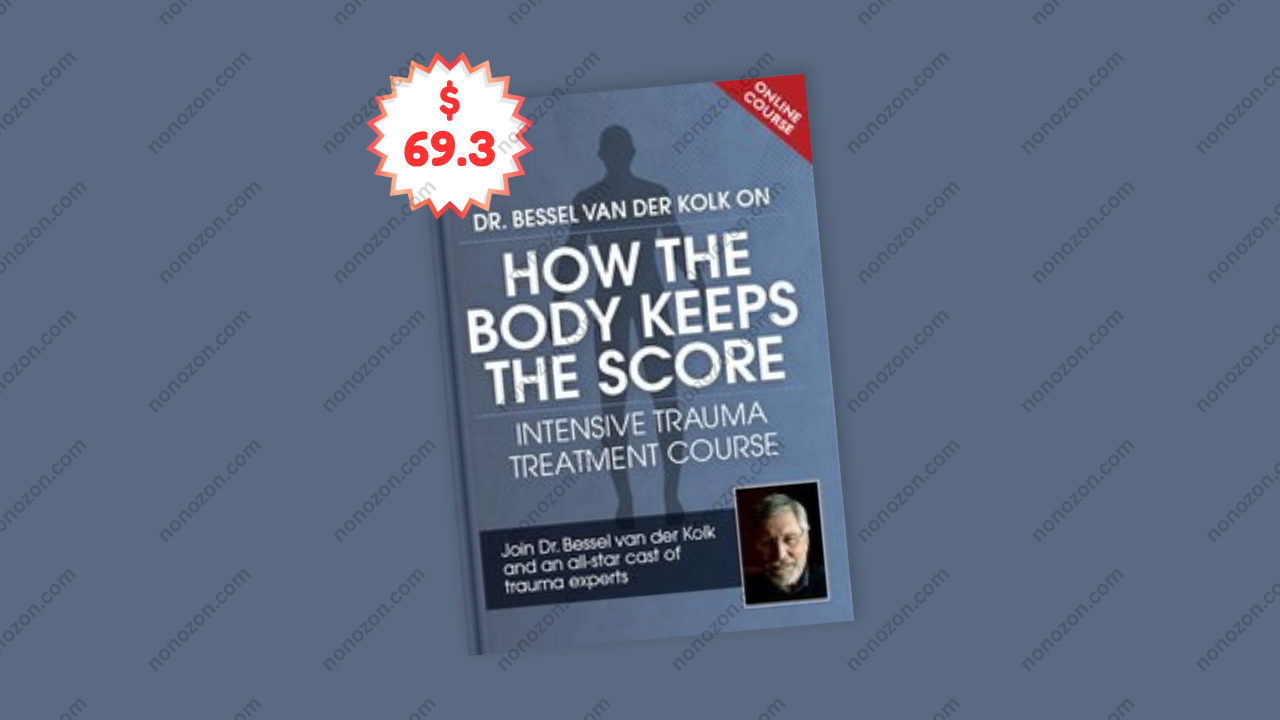
In the realm of trauma therapy and psychological health, The Body Keeps the Score: Brain, Mind, and Body in the Healing of Trauma by Dr. Bessel van der Kolk holds a distinguished position. This influential text explores the deep-rooted consequences of trauma, addressing its profound effects on both mental and physical health. Drawing from his expansive clinical background and emerging research in neuroscience and psychology, Dr. van der Kolk creates a foundational guide for both practitioners and individuals striving to comprehend the intricate layers of trauma. Through his lens, readers gain unique insights into how trauma shapes the brain and behavior, as well as access to a wide range of therapeutic strategies aimed at healing.
Understanding Trauma: A Profound Impact
The book opens with a compelling redefinition of trauma that expands far beyond the typical understanding of traumatic events. Dr. van der Kolk underscores that trauma is not simply an isolated incident but an enduring internal experience that alters how a person thinks, feels, and connects with others. This interpretation reshapes how trauma is perceived, emphasizing that its effects can manifest as flashbacks, emotional instability, or strained relationships.
According to Dr. van der Kolk, traumatic experiences reshape brain function in critical areas like the hippocampus, amygdala, and prefrontal cortex. The amygdala, responsible for processing emotions, becomes overly active in those affected by trauma, heightening anxiety and sensitivity. Meanwhile, the prefrontal cortex—which governs rational thinking and emotion regulation—often shows diminished activity. This neurological imbalance helps explain the intense emotional swings and difficulties with self-control reported by many trauma survivors. By portraying trauma as a chronic internal struggle, the book enriches our understanding of its long-term psychological consequences.
Neurobiology of Trauma: The Brain’s Response
Van der Kolk goes further into the biological roots of trauma, offering a scientific context to his narrative. The brain’s reaction to trauma, seen through the lens of altered neurological patterns, provides a framework that supports more effective treatment approaches. For example, constant amygdala activation can trigger a perpetual state of alertness, while impaired prefrontal activity can interfere with rational decision-making and impulse control.
This scientific lens is crucial in highlighting the limitations of traditional treatment methods, particularly those relying solely on medications. While pharmacological approaches can manage symptoms, Dr. van der Kolk maintains they often fail to reach the underlying trauma. His emphasis on therapies that engage both the mind and body opens the door to more holistic and integrated forms of healing.
Therapeutic Approaches: Options Beyond Medication
One of the standout elements of this book is its focus on alternative therapeutic modalities that extend beyond the use of pharmaceuticals. Dr. van der Kolk stresses the necessity of involving both mental and physical processes in recovery. Two of the methods he gives considerable attention to are Eye Movement Desensitization and Reprocessing (EMDR) and Internal Family Systems (IFS) therapy.
Eye Movement Desensitization and Reprocessing (EMDR):
This approach uses guided eye movements to help individuals process traumatic memories, reducing their emotional intensity. EMDR has been widely studied and is recognized for its effectiveness in mitigating trauma symptoms.
Internal Family Systems (IFS):
A therapeutic technique that helps clients explore and reconcile different internal "parts" or subpersonalities, often formed in response to trauma. IFS fosters deeper self-awareness and emotional regulation by encouraging compassion toward these internal divisions.
Dr. van der Kolk also discusses the benefits of incorporating body-centered practices like yoga and mindfulness. These tools help individuals reconnect with their physical selves, promoting self-regulation and emotional resilience. Such practices create a sense of safety within the body, which is essential in the trauma recovery process.
The Role of Social Connections in Healing
A key theme in the book is the essential role of social relationships in trauma recovery. Dr. van der Kolk explains that healing often occurs in the context of community and connection. Being surrounded by supportive individuals can restore a sense of safety and significantly influence recovery outcomes.
Empirical evidence backs this view, showing that people with strong social networks often recover more successfully from traumatic experiences. Additionally, creative therapies like art and music are presented as powerful tools for expression. These methods allow individuals to communicate emotions that are often difficult to verbalize, facilitating healing through nonverbal channels.
Practical Applications of the Book's Insights
Throughout The Body Keeps the Score, readers are offered practical tools that are applicable in both clinical and personal contexts. Mental health professionals can draw on the book’s blend of academic research and real-life case studies to inform a more comprehensive, holistic practice. Dr. van der Kolk champions an approach that honors emotional, cognitive, and physical aspects of healing.
For those living with trauma, the book serves as a source of empowerment and clarity. It helps demystify the biological roots of trauma symptoms, enabling individuals to make informed choices about their recovery paths and explore treatments that address their unique needs.
A Holistic Roadmap for Healing
In his final reflections, Dr. van der Kolk presents a well-rounded model for trauma recovery, one that weaves together mind, body, and emotional well-being. He urges readers and practitioners to meet trauma with empathy and a commitment to understanding its complexity. This integrated framework serves as both a guide and an inspiration for anyone pursuing or supporting healing.
Ultimately, The Body Keeps the Score is a deeply human and scientifically rigorous resource. It synthesizes research, clinical wisdom, and heartfelt advocacy for trauma survivors into a compelling and useful roadmap. Whether used by mental health professionals or individuals on their own healing journeys, the book offers valuable tools and hope for lasting transformation.
Conclusion
To conclude, The Body Keeps the Score by Dr. Bessel van der Kolk is a landmark contribution to trauma treatment literature. By skillfully merging neuroscience with clinical insight, the book presents a thorough and accessible guide to understanding and addressing trauma. Its exploration of brain-based impacts, diverse therapies, and the central role of community underscores the complexity of healing. For professionals and individuals alike, this text offers clarity, empowerment, and a renewed perspective on what it means to heal.
Related products
How the Body Keeps the Score - Intensive Trauma Treatment Course
by Bessel van der Kolk
$679.00
$69.30

Intensive Course in Emotionally Focused Therapy Attachment-based interventions for couples in crisis
by Sue Johnson
$519.00
$69.30

F*ck Binaries!: Liberating the Clinical Imagination
by Emily Nagoski & Lucie Fielding
$129.00
$53.90