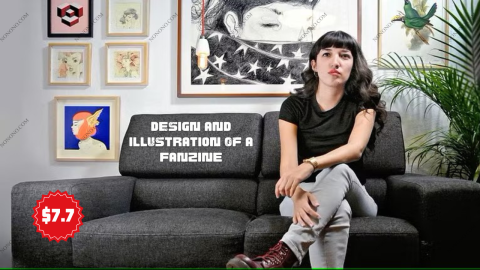
Design and Illustration of a Fanzine
by Violeta Hernández
Design and Illustration of a Fanzine by Violeta Hernández For Digital Download!
Check Proof of Content here:
Review of Design and Illustration of a Fanzine by Violeta Hernández
Crafting a fanzine remains one of the most intimate and imaginative ways to share art, stories, and ideas in modern creative culture. These compact publications serve as a medium for personal expression, design experimentation, and independent communication. But what does it take to create a compelling fanzine from scratch? The course “Design and Illustration of a Fanzine” by Violeta Hernández offers an inspiring and practical entry point for anyone eager to explore this DIY art form. Lauded for its hands-on approach and artistic depth, the course blends skill-building with self-expression. In this review, we’ll break down the course structure, teaching style, student reflections, and the lasting value it brings to creative learners.
Comprehensive Overview of the Course
Led by multidisciplinary artist and illustrator Violeta Hernández, the course offers a well-rounded introduction to designing and illustrating a fanzine. It incorporates both analog and digital workflows, ensuring that students get a balanced understanding of different creative approaches. The lessons blend design fundamentals with artistic exploration, as well as insights into Violeta’s personal methods, inspirations, and the rich cultural background of zine-making.
Key Components of the Curriculum
- Historical Perspective: Learners begin by exploring the roots of zine culture, offering context and grounding their practice in a broader creative movement. This historical lens encourages students to draw on the legacy of past zines while crafting their own original work.
- Technical Development: The course moves into hands-on instruction in key areas like layout design, typography, image editing, and file preparation. These practical elements ensure that students can turn creative concepts into ready-to-publish zines.
- Artistic Voice: A highlight of the course is its commitment to individuality. Students are encouraged to experiment, embrace imperfection, and develop a personal visual language throughout the process.
With this mix of conceptual and applied learning, students gain both technical confidence and creative independence in their zine-making journey.
Student Experiences and Feedback
Alumni of the course frequently cite its transformative nature. One notable testimonial comes from Luisa Fernanda Niño, who shared that the course reignited her passion for making handmade books and helped her reconnect with her artistic identity. Across the board, students appreciate the balance of instruction and creative freedom, as well as the clarity Violeta brings to each topic.
Empowering Artistic Skills
Many participants enter the course with limited confidence in their drawing or design abilities. However, by the end, they often feel empowered to express themselves freely. This growth is fueled by a welcoming and exploratory classroom atmosphere where mistakes are viewed as part of the artistic process. Testimonials reflect the supportive environment and its role in unlocking personal creativity and storytelling confidence.
Expansive Resources
Beyond the core video lessons, students gain access to curated references, tutorials, and links for deeper exploration. These supplemental materials allow learners to continue expanding their knowledge and skills independently. Whether you’re new to zines or revisiting the practice, these resources provide long-term value.
The Balance of Handmade vs. Digital Techniques
One of the course’s strengths is its thoughtful integration of both analog and digital techniques. Students are encouraged to explore each method and choose the workflow that suits their vision best. This dual approach mirrors today’s hybrid creative practices and offers flexibility for different artistic preferences.
Benefits of Handmade Techniques:
Tactile Engagement: Working by hand introduces physical interaction with the materials, adding an emotional and sensory layer to the creative process.
Artistic Authenticity: Handmade elements often lend a raw, human quality that enhances the uniqueness of each piece.
Benefits of Digital Techniques:
Design Flexibility: Digital tools offer quick editing, rearranging, and compositional freedom.
Broader Reach: Digital production allows creators to distribute their work easily through online platforms or print-on-demand services.
By understanding and applying both approaches, students are better equipped to navigate the creative possibilities of modern zine-making.
Conclusion: A Comprehensive Learning Experience
To conclude, Violeta Hernández’s “Design and Illustration of a Fanzine” offers a compelling blend of artistic exploration and design fundamentals. It provides not only technical instruction but also meaningful encouragement for students to explore their individual voices. Participants complete the course with a stronger design toolkit, elevated creative confidence, and a renewed sense of artistic purpose.
Whether you’re just starting your journey or looking to evolve your current skills, this course provides a thorough and engaging path into the world of fanzines—one that’s filled with inspiration, authenticity, and community.