
Expressive Arts For Trauma Healing
by Tanya Zajdel
Review of Expressive Arts for Trauma Healing by Tanya Zajdel
Check proof of content here:
Introduction
In the labyrinth of human experiences, trauma often leaves deep scars, ones that mere words sometimes struggle to articulate. This is where Tanya Zajdel's Review of Expressive Arts for Trauma Healing enters the scene, shedding light on a therapeutic approach combining creativity with healing. Expressive arts therapy is not just a collection of artistic endeavors; it is a profound journey toward understanding and healing trauma through varied art modalities like visual arts, dance, music, and drama. By engaging the body and mind in creative expression, individuals are provided a safe space to process feelings that may be overwhelming or difficult to verbalize. Zajdel’s work accentuates the potential of these therapies to facilitate not only emotional release but also the reconstruction of trauma narratives, fostering resilience and recovery. The multifaceted nature of expressive arts therapy offers a unique lens through which one can explore trauma, making it an essential area of focus for mental health practitioners and survivors alike.
Understanding Expressive Arts Therapy
Expressive arts therapy is an innovative therapeutic approach designed to facilitate healing and personal growth, especially for those grappling with trauma. Unlike traditional talk therapy, which often relies heavily on verbal communication, expressive arts therapy integrates a variety of creative modalities such as visual arts, music, movement, and expressive writing to help individuals express themselves. This approach recognizes that many feelings linked to trauma are locked away in the subconscious, resisting verbal articulation.
The efficacy of expressive arts therapy lies in its ability to engage individuals holistically. The therapeutic process often involves creating artworks, improvising dances, or composing music, all while allowing therapeutic exploration to unfold. For many, these modalities act as powerful avenues for emotional expression and essentially serve as a non-threatening entry point into the discussion of painful life experiences.
Moreover, the integration of the body into the therapeutic process is paramount. Expressive arts therapy acknowledges the connection between bodily sensations and emotional experiences recognizing that trauma can often manifest physically. By participating in creative activities, clients are encouraged to engage with their bodies, facilitating a unique healing process that embodies both psychological and physical dimensions. Therefore, it is essential to view expressive arts therapy not just as an artistic practice, but as a legitimate, scientifically grounded approach to trauma recovery.
Key Modalities in Expressive Arts
In the realm of expressive arts therapy, several key modalities stand out, each offering a unique avenue for creative expression and emotional processing:
- Visual Arts: Techniques like painting, drawing, and sculpture allow clients to externalize feelings that may be difficult to articulate. For instance, a person grappling with grief might express their emotions through abstract painting, using color and form to convey experiences of loss.
- Music Therapy: Engaging with music whether through listening, creating, or performing can evoke deep emotional responses and assist in processing trauma. Research has demonstrated that music can significantly alleviate PTSD symptoms by providing an emotional outlet and facilitating connections with others.
- Dance and Movement Therapy: Movement therapies encourage participants to explore their physicality, promoting body awareness while releasing stored emotions. Research suggests that bodily movement can help individuals reconnect with their emotions, often resulting in substantial emotional breakthroughs.
- Drama Therapy: Incorporating role-play, storytelling, and performance, drama therapy enables clients to explore their narratives creatively. This modality can offer a safe space for clients to confront their fears or re-enact traumatic events from a distance, allowing for greater introspection.
- Expressive Writing: Writing serves as a powerful tool for self-reflection and emotional clarity. In expressive writing, individuals articulate experiences, not merely recounting them but using creative language to refract their trauma into stories of resilience.
Expressive arts therapy's integration into trauma recovery underscores its versatility and adaptability, allowing practitioners to tailor interventions that cater to an individual's specific needs, enabling exploration and expression in the most conducive manner. Each modality contributes to a broader understanding of one’s emotional landscape, forging pathways toward healing.
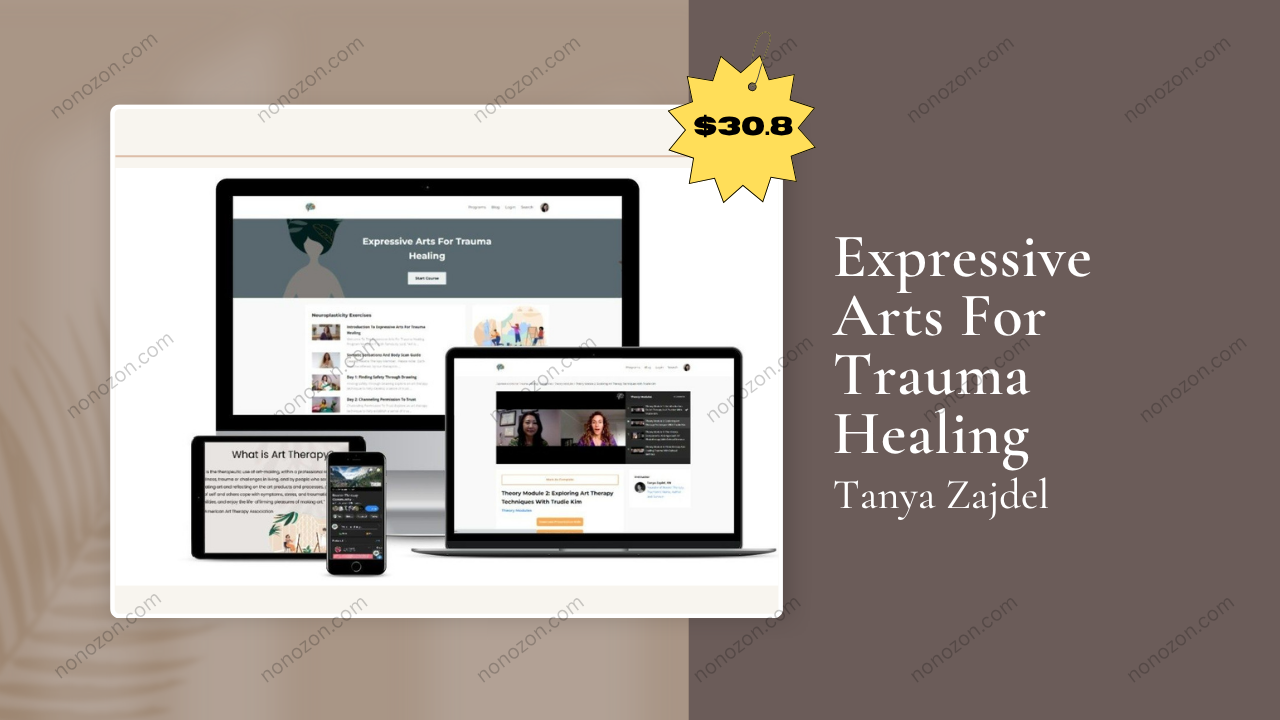
Instant Download Expressive Arts For Trauma Healing by Tanya Zajdel
The Role of Non-Verbal Communication
Non-verbal communication occupies a pivotal space within expressive arts therapy, especially true for individuals recovering from trauma. For many, traditional verbal communication can feel inadequate or overwhelming when confronted with the heaviness of traumatic experiences. Here, non-verbal techniques become essential, allowing clients to tap into subconscious realms where emotions reside without words.
One primary medium through which non-verbal communication plays a crucial role is visual arts. The act of drawing, painting, or collaging serves as a direct line to express feelings that often elude verbal articulation. Through images, colors, and shapes, clients can depict complex emotions and experiences, facilitating an understanding of their inner worlds while fostering emotional safety.
Similarly, music and movement offer profound avenues for non-verbal expression. Music has the ability to evoke emotions and memories, resonating deeply within individuals and providing an outlet for feelings that are difficult to express otherwise. Movement encourages clients to reconnect with their bodies, helping release trapped emotions tied to past traumas. For instance, a simple act of swaying to music may unlock a flood of feelings, enabling individuals to operate beyond the confines of their words.
Drama therapy and expressive writing also highlight non-verbal components, allowing clients to portray their experiences and emotions through act and narrative. This aspect not only fosters emotional engagement but also provides new insights into their trauma experiences.
Non-verbal communication in expressive arts therapy effectively acts as a bridge that connects clients to their unexpressed emotions. By utilizing art, movement, music, and drama, practitioners afford their clients the means to explore their trauma in multifaceted ways. This is especially significant when cities face the challenge of verbalizing trauma, allowing healing to emerge naturally, creatively, and without restriction.
Integrating Multiple Art Forms
The integration of multiple art forms in expressive arts therapy provides clients with a textured and enriched therapeutic experience. This multimodal approach allows individuals to interact with their trauma narratives in various ways, opening myriad paths for exploration, expression, and healing.
By leveraging diverse modalities such as visual art, music, dance, and drama therapists can tailor their interventions to suit each client’s unique needs and experiences. For instance, a client might begin their journey through visual arts, using painting to express their emotions, and later transition into movement therapy to physically embody those feelings. This shift not only keeps the therapeutic process dynamic but fosters a deeper understanding of how different mediums can evoke varied emotional responses.
The integration of multiple art forms also stimulates cognitive and emotional connections. Engaging in a potpourri of artistic practices can evoke new memories and sensations. For example, combining music with movement can help clients access deep-seated emotional memories tied to bodily experiences. This holistic engagement encourages a more comprehensive understanding of personal narratives and promotes emotional releases often hidden within the confines of a singular medium.
Moreover, creating art in various forms enables clients to reconstruct their trauma narratives artistically. By alternating between mediums, clients can reframe their experiences, distancing themselves from trauma while simultaneously allowing for new insights. The backdrop of creative integration fosters not just healing but personal empowerment and agency, emphasizing that there is no single correct way to express one's experiences.
In essence, integrating multiple art forms in therapy transforms the analytical into the experiential, creating a rich tapestry that embodies the complexities of human emotions ultimately promoting healing, resilience, and a renewed sense of identity in individuals navigating their trauma stories.
Trauma-Informed Care Principles
Trauma-informed care principles serve as a foundational framework for implementing expressive arts therapy effectively. These principles emphasize understanding the impacts of trauma on individuals and organizing therapeutic services to nurture healing, safety, and recovery.
- Safety: Creating a physically and psychologically safe environment is paramount. Therapeutic spaces must prioritize comfort and security, allowing clients to express their experiences without fear of re-traumatization. This involves both the design of physical spaces and the establishment of trust between clients and therapists.
- Trustworthiness and Transparency: Clear and open communication about the therapeutic processes fosters trust. Establishing clarity regarding what clients can expect engenders empowerment, alleviating fears associated with engaging in therapy.
- Peer Support: Integrating experiential learning and peer support into care promotes connections among individuals with similar experiences. Such shared understanding enhances the recovery process, reinforcing feelings of belonging and solidarity.
- Collaboration and Empowerment: Encouraging clients to play active roles in their healing journey supports a partnership dynamic. Strengthening clients' autonomy culminates in a more personalized therapeutic experience, reinforcing a sense of agency.
- Cultural, Historical, and Gender Issues: Acknowledging the diverse cultural contexts and individual experiences affecting trauma responses ensures that therapy is relevant and respectful. This cultural awareness is essential to fostering an inclusive therapeutic environment.
- Intersectionality: By considering the overlapping identities and social contexts of clients, effective trauma-informed practices become both magnified and nuanced. This holistic perspective aids therapists in addressing the unique circumstances of individuals navigating trauma.
In applying these principles to expressive arts therapy, practitioners can create an inclusive and supportive environment for individuals recovering from trauma. By tapping into the intrinsic resilience of individuals and providing avenues for self-expression through various art forms, this therapeutic approach can facilitate profound healing. Thus, integrating trauma-informed care principles within expressive arts therapy presents a promising framework for cultivating supportive healing journeys for trauma survivors.
Safety and Therapeutic Environments
Creating a safe therapeutic environment is crucial for individuals recovering from trauma. Safety ensures clients can express their thoughts, emotions, and experiences without fear of judgment or re-traumatization, forming the basis of a trusting therapeutic relationship. In the context of expressive arts therapy, this entails not just the physical therapeutic space but also the emotional climate fostered by the therapist and the modalities utilized.
Physical Safety: The design of the therapy space plays a vital role in promoting safety. Therapists should ensure that the environment is welcoming, free from hazards, and provides privacy for clients, thereby enhancing comfort and trust. Adequate seating, art supplies, natural lighting, and pleasant decor can contribute to a calming atmosphere conducive to therapeutic exploration.
Emotional Safety: Emotional safety is paramount. Therapists must cultivate a non-judgmental space where clients feel empowered to share their experiences unreservedly. Clear boundaries and guidelines surrounding discussions in group settings can solidify the trust required to allow vulnerability to flourish. This emotional grounding aids clients in navigating potentially distressing feelings affiliated with trauma, enabling them to express emotions through various artistic outlets comfortably.
Promoting a Supportive Atmosphere: The utilization of expressive arts in therapy inherently promotes safety. Forms such as visual art and music provide non-threatening means of expression that can ground clients in the creative process while addressing challenging emotions. These modalities encourage clients to explore their experiences at their own pace and allow them to take breaks or transition between forms as needed.
Therapeutic Boundaries: Practitioners should establish clear therapeutic boundaries to further create a safe environment. Clients should understand the privacy of their sessions, confidentiality rules, and the limitations of the therapy regarding therapist roles. This structure helps clients regain a sense of control over their healing journey, reinforcing the safety that trauma survivors long for in a therapeutic setting.
In essence, prioritizing safety within therapeutic environments forms the cornerstone of effective trauma-informed care. By weaving together physical, emotional, and supportive elements in expressive arts therapy, practitioners can foster healing spaces where survivors feel anchored, understood, and empowered to navigate their trauma through creative expression.
Building Trust and Connection
Building trust and connection is fundamental to trauma-informed care and is particularly essential within expressive arts therapy. The therapeutic relationship can be likened to a bridge between the client and the healing process, enabling individuals to traverse their emotional landscapes with courage and resilience. Establishing trust involves various facets, including clear communication, an empathetic approach, and fostering collaboration.
- Clear Communication: Beginning on the foundation of transparency lays the groundwork for trust. Therapists should be open and clear about their approach, including what clients can expect during therapy. This clarity alleviates anxiety associated with the unknown and instills confidence in the therapeutic process.
- Empathy and Understanding: Empathy is vital in nurturing a trusting therapeutic relationship. By being attuned to clients' emotions while validating their feelings, therapists can create a genuine sense of support. Practitioners must exhibit patience and understanding, empowering clients to explore their trauma at their own pace through expressive arts.
- Collaborative Approaches: Trust is enhanced when clients feel involved in their healing journeys. Practitioners who encourage clients to partake in decision-making regarding their therapy such as selecting modalities or setting goals reinforce an environment characterized by respect and partnership. This collaborative approach enhances clients' sense of agency and increases their investment in the therapeutic process.
- Peer Support: Incorporating peer support fosters connection among individuals navigating shared experiences. Group expressive arts therapy encourages interaction and mutual understanding, diminishing feelings of isolation that often accompany trauma. Hearing others' stories and witnessing their creative expressions can create a profound sense of community, instilling hope and kinship.
- Creative Expression: Expressive arts provide unique opportunities for clients to connect with themselves and others facilitating trust in interpersonal relationships. Engaging in shared artistic activities offers a platform for clients to express their emotions and experiences non-verbally, strengthening bonds built on shared vulnerability.
In summary, cultivating trust and connection is vital in expressive arts therapy. Through empathy, clear communication, collaborative approaches, and the integration of peer support, practitioners can forge therapeutic relationships that empower clients to navigate their trauma. These trust-building efforts not only enhance the therapeutic experience but also foster deeper healing and personal growth.
Empowerment and Client Autonomy
Empowerment and client autonomy are vital components within trauma-informed care and expressive arts therapy. They underscore the importance of recognizing clients as active participants in their healing journeys rather than passive recipients of treatment. By fostering an environment that promotes empowerment, therapists can nurture resilience and support clients in reclaiming their sense of control and agency.
- Recognizing Client Strengths: One of the most empowering aspects of expressive arts therapy is its emphasis on recognizing individual strengths. Practitioners should encourage clients to tap into their innate creativity as a means to confront and process trauma. Highlighting strengths fosters self-confidence and resilience, empowering clients to take ownership of their healing process.
- Active Participation: Encouraging clients to actively engage in decision-making about their therapy enhances a sense of autonomy. This could involve choosing art modalities, setting therapeutic goals, or reflecting on what aspects of their trauma they wish to explore. By enabling clients to dictate the direction of their healing journey, therapists foster a collaborative and respectful therapeutic relationship.
- Self-Expression as Empowerment: Engaging in expressive arts provides clients with creative outlets to articulate their emotions. This act of self-expression serves as a vehicle for empowerment, allowing individuals to narrate their stories on their terms. Clients learn to view themselves not just as victims of trauma but as resilient individuals who have agency in their healing process.
- Building Confidence Through Artistic Exploration: Clients working through traumatic experiences often encounter self-doubt and vulnerability. Expressive arts therapy, through trial and exploration, can enhance self-esteem and confidence. The artistic process is often transformative, allowing clients to confront fear and anxiety while reclaiming a sense of identity separated from their trauma.
- Encouraging Self-Advocacy: Empowerment also involves encouraging self-advocacy. Practitioners can guide clients in articulating their needs and preferences in therapy, as well as in broader life contexts. By honing these skills, clients will have tools at their disposal to advocate for their well-being beyond therapy.
Ultimately, the principles of empowerment and client autonomy are vital to the expressive arts therapy framework. By nurturing individual strengths, promoting active participation, and encouraging self-expression, practitioners facilitate healing journeys that empower clients to reclaim autonomy over their emotions and experiences. This transformative process fosters resilience, confidence, and a renewed sense of self a key aspect of trauma recovery.
The Healing Process Through Arts
The healing process through expressive arts is inherently transformative, offering individuals avenues for emotional exploration and expression. Tanya Zajdel's approach underscores the integration of artistic methods with somatic practices to address the profound effects of trauma on the mind and body, elucidating a holistic pathway to recovery.
The versatility of engaging in art-making whether it be through drawing, painting, music, dance, or drama enables participants to articulate their feelings centered around loss, grief, or trauma. Creative activities stimulate neuroplasticity, allowing individuals to reconstruct traumatic memories and foster emotional resilience. Clients who engage in expressive arts often report that their experiences lead to a greater understanding of their emotions, offering new perspectives on previously overwhelming feelings.
Through structured and guided therapeutic experiences, clients are invited to express complex emotions associated with trauma in non-threatening ways. For instance, Zajdel’s program includes 10-minute guided art exercises designed to facilitate participants in articulating their experiences. These brief yet impactful sessions serve to ease the pressure of traditional long-form therapy, providing an accessible entry point for emotional exploration.
Engaging in expressive arts not only allows individuals to confront their trauma but also encourages emotional release and healing on various levels. As clients create tangible expressions of their struggles, they reconstruct their narratives and redefine their relationship with trauma leaving behind the restraints commonly soul-stifling survivors. Zajdel’s emphasis on arts-based techniques creates an environment where healing becomes a collaborative process, with clients actively participating in their recovery journey.
Ultimately, the healing process through arts, as explored in Zajdel's work, fosters connection, introspection, and self-discovery. The expressive arts offer individuals a potent tool to navigate, process, and heal from trauma, reinforcing the idea that creativity is an intrinsic pathway toward recovery.
Engaging the Body and Senses
Engaging the body and senses through expressive arts therapy is a critical component in the healing process for individuals recovering from trauma. Traditional talk therapies often focus solely on cognitive understanding, neglecting the significant role that somatic experiences play in trauma recovery. By incorporating the body in therapeutic practices, expressive arts therapy facilitates a more comprehensive healing approach that resonates with the entire person body and mind.
Experiencing Movement: Engaging in dance and movement allows individuals to revisit and release emotions that have become trapped within their bodies. Simple acts such as swaying, stretching, or improvisational dance can inspire a profound connection to one's physicality. Movement therapy has been associated with reducing physiological symptoms of stress and anxiety, promoting relaxation and emotional release.
Embodied Art Practices: Arts that invite physical engagement like clay modeling, painting, or craftsmanship encourage clients to be present with their bodies during the creative process. The tactile experience of these art forms fosters a deeper understanding of one's feelings, prompting emotional connections that may have previously remained unexpressed or unnoticed.
Sensory Awareness: Incorporating sensory experiences, such as focusing on auditory perceptions or utilizing textures, can initiate an enriching therapeutic experience. Practitioners can guide clients through exercises that center around touch, sound, and sight, thereby heightening awareness and reinforcing the mind-body connection. Being mindful of one’s sensory experiences can ground clients, especially those who may feel disconnected due to trauma.
Somatic Integration: Integrating somatic awareness into artistic expression serves to elevate the overall effectiveness of therapy. By recognizing physical discomforts or sensations associated with trauma, clients can learn to navigate their experiences with greater compassion and understanding. Encouraging clients to check in with their bodies during creative practices fosters an active dialogue between emotion and physical expression.
Overall, engaging the body and senses in expressive arts therapy catalyzes a holistic healing process. By marrying creative expression with physical awareness, clients unlock the path toward emotional exploration and release. This integrated approach to trauma recovery empowers individuals to not only heal but also reconnect with themselves and their senses, promoting greater internal harmony and resilience.
Creating Trauma Narratives
Crafting trauma narratives through expressive arts therapy allows individuals to articulate their experiences in ways that may be challenging to express verbally. Utilizing creative modalities can provide a safe space for emotional exploration, leading to clarity, understanding, and healing.
- Narrative Construction: Clients are encouraged to use various art forms to construct coherent narratives that encapsulate their trauma experiences. Visual art can depict scenes from their past, while written expression offers a platform to articulate complex emotions. This process fosters a sense of agency and control clients become storytellers of their own journeys, enabling them to reclaim aspects of their narrative.
- Externalization: Creating trauma narratives via art allows individuals to externalize their experiences. This act of representation can serve as a powerful catharsis, enabling individuals to confront their feelings and assess their impact on their lives. By portraying their trauma within a visual or written context, clients may find it easier to process emotions associated with memories that are often overwhelming in their raw form.
- Resilience Expression: Building trauma narratives also enables clients to explore resilience and survival aspects of their experiences. Through artistic expression, they can highlight moments of strength, coping strategies, and pathways to recovery. This reflects the transformative journey of moving from victimhood to empowerment as narratives evolve.
- Client-Centric Approach: Expressive arts therapy emphasizes the client-centered approach, with clients dictating their narratives as they see fit. This flexibility allows clients to express their emotions and experiences authentically, shaping their narratives in ways that resonate deeply with their healing journeys. It nurtures a feeling of autonomy while enabling them to honor their grief and trauma.
- Therapeutic Bonding: In therapeutic settings, the creation of trauma narratives can strengthen the therapist-client relationship. As clients share their narrative journeys through art, therapists gain insights into their emotional landscapes, enhancing empathy and understanding within the therapeutic alliance. This connection underscores the importance of trusting relationships, facilitating a deeper engagement with the healing process.
In summary, creating trauma narratives within expressive arts therapy provides valuable opportunities for clients to articulate their experiences creatively and meaningfully. By facilitating emotional exploration, fostering resilience, and strengthening therapeutic bonds, trauma narratives become powerful tools in the journey of recovery, ultimately guiding individuals toward empowerment and healing.
Fostering Resilience and Recovery
Expressive arts therapy is inherently focused on fostering resilience and recovery among individuals impacted by trauma. Through a creative framework, clients are encouraged to tap into their inherent strengths, enabling them to navigate the complexities of their emotional experiences effectively.
- Strength-Based Approach: The emphasis on individual strengths within expressive arts therapy fosters resilience by recognizing the inner resources clients possess. Engaging in creative expression provides opportunities for clients to identify, celebrate, and harness their strengths, transforming their relationship with trauma into one of empowerment.
- Creative Empowerment: The artistic process itself serves as a means of empowerment, instilling a sense of agency. Creative outlets offer clients pathways to express their emotions while actively participating in their healing journey. This participatory aspect is vital for nurturing resilience, allowing individuals to embody their personal narratives and agency through art.
- Co-Creation of Narratives: Fostering resilience involves collaborating with clients to create new life narratives. As individuals construct their trauma narratives through expressive arts, they gain a sense of ownership over their experiences. This re-framing encourages a shift from viewing threats and victimhood to embracing their capabilities and potential for growth.
- Community Building: Expressive arts therapy also fosters resilience by facilitating connections among individuals navigating similar experiences. Group therapy enhances a sense of community, allowing clients to share their journeys, connect through shared vulnerabilities, and bolster one another's healing processes. Community support promotes altruism, hope, and motivation, vital elements of resilience-building.
- Adaptive Coping Strategies: Engaging in expressive arts provides clients with constructive coping strategies to cope with emotional distress. Through exploration and experimentation with various art modalities, clients can develop healthy emotional expression and resilience skills that enable them to navigate life's challenges beyond the therapeutic setting.
In conclusion, expressive arts therapy plays a vital role in fostering resilience and recovery among trauma survivors. Emphasizing individual strengths, creating new narratives, and nurturing connections form a foundation for lasting healing impacts, ultimately guiding clients toward empowerment and renewed purpose.
Techniques for Practitioners
Incorporating specific techniques into expressive arts therapy can enhance the effectiveness of interventions for individuals recovering from trauma. These practices equip practitioners with the tools necessary to facilitate meaningful artistic expression, emotional processing, and healing.
- Mindfulness and Somatic Approaches: Mindfulness techniques help clients cultivate present-moment awareness, reducing anxiety and promoting emotional regulation. Practitioners can facilitate mindful breathing exercises that ground clients in their emotional experiences while encouraging self-awareness through body scans and sensory awareness practices.
- Structured Art Interventions: Practitioners should employ structured art interventions intentionally designed to invoke emotional expression and facilitate narrative creation. Art-based exercises may include creating life maps, feelings wheels, or prompted visual reflections, allowing clients to externalize their inner experiences.
- Creative Writing and Storytelling: Incorporating creative writing into sessions encourages clients to articulate their feelings and experiences through narratives. Practitioners may provide guided journaling prompts or structured poetry exercises, enabling clients to distill their complexities into manageable forms.
- Movement and Dance Therapy: Integrating movement-based interventions in therapy provides a somatic outlet for emotional expression. Practitioners can facilitate improvisational movement sessions or guided body awareness exercises that empower clients to engage with their physicality and release pent-up emotions.
- Reflective Practices: Encouraging reflective practices allows clients to evaluate and process their experiences continually. Utilizing reflective journals or post-session check-ins enables clients to articulate their feelings about their creative endeavors, enhancing self-awareness and understanding of their journeys.
By implementing these techniques, practitioners can significantly enhance the benefits of expressive arts therapy for trauma healing. It ultimately leads to a holistic therapeutic experience that promotes emotional exploration and provides clients with the tools to navigate their trauma in creative and empowering ways.
Mindfulness and Somatic Approaches
Mindfulness and somatic approaches within expressive arts therapy offer powerful frameworks for facilitating emotional regulation, self-awareness, and healing. These practices encourage clients to reconnect with their bodies and cultivate present-moment awareness, enhancing their therapeutic experience significantly.
- Mindful Breathing: Practitioners can guide clients through mindful breathing exercises, engaging them in deep, intentional breaths. This practice calms the nervous system, reducing anxiety and grounding clients in their physical presence. Focused breathing enhances emotional awareness, allowing individuals to observe their feelings without judgment.
- Sensory Awareness Exercises: Engaging clients in sensory awareness exercises can promote mindfulness. Practitioners might lead clients in exploring different sensory stimuli, directing their attention to sights, sounds, textures, and smells. This heightened awareness anchors clients in the moment, facilitating emotional connection through the body.
- Somatic Movement Practices: Integrating somatic movement techniques encourages clients to connect physical sensations with emotional experiences. Practitioners can guide clients through simple movements or dance while focusing on their bodily sensations. This process fosters awareness of how feelings manifest in the body, offering insights into emotional states.
- Body Scan Techniques: The body scan is a technique where clients mentally travel through their bodies, noting areas of tension or discomfort. This practice promotes a deeper understanding of how trauma manifests physically, enabling clients to address somatic experiences associated with their emotional states.
- Integration of Art and Mindfulness: Combining mindfulness with artistic practices provides a unique opportunity for healing. For instance, practitioners can encourage clients to create art mindfully by focusing on the process rather than the final product. This approach alleviates performance anxiety and cultivates presence in the moment.
Through mindfulness and somatic approaches, expressive arts therapy empowers clients to reconnect with their bodies, emotions, and creative processes. These techniques facilitate greater self-awareness, leading to enhanced emotional regulation and resilience in the face of trauma.
Structured Art Interventions
Structured art interventions in expressive arts therapy serve as purposeful frameworks that guide clients in exploring their feelings, creating narratives, and facilitating emotional healing. By providing specific artistic exercises, practitioners can ensure therapeutic focus while allowing space for self-expression.
- Visual Symbols Creation: Clients may engage in visual art exercises to create symbolic representations of their experiences. For example, a client might create an artwork depicting their journey through trauma. This visual representation provides a concrete focal point for discussion, aiding in understanding complex emotions.
- Life Mapping: Practitioners can guide clients in creating life maps, illustrating significant events and their emotional impact. This structured exercise allows clients to visualize their journeys while recognizing patterns, milestones, and personal strengths, culminating in greater self-awareness and insight.
- Themed Art Exercises: Incorporating themed art projects based on specific emotions such as anger, grief, or hope helps clients externalize complex feelings. For instance, clients might create a collage representing their coping mechanisms, thereby articulating experiences tied to trauma positively.
- Intermodal Transition: Practitioners might encourage clients to shift between different artistic modalities throughout the session. For example, a client may begin with painting and transition to writing poetry about their artwork. This intermodal approach enhances self-reflection and allows for deeper emotional exploration.
- Tailoring Art Projects: Catering structured interventions to individual clients’ preferences and needs fosters engagement. Practitioners should consider each client's unique experiences and backgrounds to design art projects that resonate, thus encouraging investment in the therapeutic process.
By implementing structured art interventions within expressive arts therapy, practitioners can facilitate purposeful exploration and emotional release. These guided exercises empower clients to articulate their experiences creatively and are instrumental in navigating recovery from trauma.
Creative Writing and Storytelling Techniques
Creative writing and storytelling techniques form vital components of expressive arts therapy that facilitate self-exploration, emotional healing, and narrative construction. By incorporating these literary modalities, practitioners can encourage clients to articulate their experiences meaningfully, fostering resilience and recovery.
- Reflective Journaling: Encouraging clients to engage in reflective journaling serves as a powerful tool for emotional expression and self-discovery. Practitioners might provide prompts guiding clients toward exploring their feelings about trauma or articulating experiences creatively.
- Poetry Therapy: Writing poetry allows clients to distill complex emotions into structured formats. Practitioners may introduce themes or stylistic constraints to provoke creativity while inviting deeper emotional exploration. The metaphorical richness of poetry can help clients express heartbreak and resilience simultaneously.
- Story Reconstruction: Practitioners can guide clients in creating stories that depict significant events or relationships in their lives. This process empowers clients to reconstruct narratives, gain new insights, and ultimately shifts their perception from victimhood towards resilience and survival.
- Collaborative Storytelling: Engaging in collaborative storytelling allows clients to share narratives within a safe environment. Group writing sessions can foster a sense of community and solidarity, alleviating feelings of isolation while enriching the collective healing experience.
- Performance of Stories: Inviting clients to perform or share their written narratives enhances the therapeutic impact. Oral storytelling builds confidence and provides an opportunity for constructive feedback from peers, reinforcing a sense of connection and community.
Through creative writing and storytelling techniques, expressive arts therapy empowers clients to articulate their trauma experiences in meaningful ways. These practices promote self-exploration, emotional processing, and the reconstruction of narratives that encourage resilience and supportive connections.
Clinical Applications of Expressive Arts
The clinical applications of expressive arts therapy within trauma recovery encompass an array of modalities designed to facilitate emotional expression, processing, and healing. By employing various artistic techniques, practitioners can tailor interventions to meet individual client needs.
- Art Therapy: Art therapy utilizes visual arts to foster emotional expression and exploration. Through drawing, painting, and sculpting, clients can externalize feelings that may otherwise remain unexpressed, promoting emotional release and self-discovery.
- Music Therapy: Engaging clients in musical activities whether through listening, creating, or performing enables emotional processing. Studies indicate that music therapy can significantly alleviate symptoms of PTSD, providing clients with an avenue to express complex emotions and experiences creatively.
- Sandplay Therapy: Sandplay therapy offers a unique approach to trauma treatment. Clients can use miniatures and sand to create expressive scenes, providing a platform for non-verbal communication and emotional exploration. Sandplay serves as a powerful means of externalizing trauma and enhancing emotional regulation.
- Movement Therapy: Incorporating dance and movement into therapy promotes body awareness and emotional expression. Through movement, clients reconnect with their physical selves, thus fostering healing and release of stored emotions.
- Drama Therapy: Drama therapy allows clients to engage in role-playing and storytelling, providing a controlled environment to explore emotions and rehearse new responses to challenging experiences. This modality facilitates deeper insight into trauma narratives and promotes healing.
These clinical modalities demonstrate the effectiveness of expressive arts therapy in facilitating healing for individuals impacted by trauma. By combining various expressive techniques, practitioners can cater interventions to individual client experiences, allowing for diverse pathways toward recovery.
Case Studies in Trauma Recovery
Case studies examining the effectiveness of expressive arts therapy in trauma recovery shed light on the profound impact of these modalities on individuals healing from trauma. By illustrating real-world applications, these studies provide invaluable insights into how expressive arts foster healing and emotional processing.
- Case Study 1: Art Therapy for PTSD: A case study involving a veteran suffering from PTSD highlighted the transformative role of art therapy. Through painting and drawing, the individual was able to externalize traumatic images from their experiences in combat. Over time, this approach facilitated significant emotional release, reducing symptoms of anxiety and hyper-vigilance associated with PTSD.
- Case Study 2: Music Therapy in Child Trauma: A study exploring music therapy for children who experienced abuse revealed notable improvements in emotional engagement and communication. Utilizing creative music-making, clients were encouraged to express their feelings non-verbally. The results indicated increased emotional regulation, self-awareness, and positive mental well-being among participants.
- Case Study 3: Drama Therapy for Adult Survivors: A group of adult survivors of trauma engaged in drama therapy, where they re-enacted key moments from their lives through role-play. This process allowed participants to explore their narratives and gain deeper insight into their experiences. Participants reported improved emotional expression, enhanced coping mechanisms, and increased resilience as they learned to navigate their feelings.
- Case Study 4: Integrating Movement Therapy: A case study involving individuals recovering from childhood trauma employed movement therapy alongside expressive arts practices. Clients engaged in improvisational dance, allowing them to explore their bodies and express feelings tied to their experiences. The study reported significant improvements in body awareness, emotional release, and overall well-being.
- Case Study 5: Multimodal Expressive Arts Workshop: A workshop that integrated multiple modalities art, dance, and storytelling demonstrated the benefits of combining approaches. Participants reported enhanced self-expression, connection with their emotions, and increased community support through shared experiences.
These case studies illuminate the effectiveness of expressive arts therapy in fostering emotional healing and resilience, providing a compelling argument for the continued integration of artistic modalities within trauma treatment. By elevating individual narratives and incorporating creative outlets, practitioners can facilitate profound recovery pathways for individuals navigating the aftermath of trauma experiences.
Group vs. Individual Therapy Dynamics
The dynamics of group therapy versus individual therapy in the context of expressive arts therapy reveal distinct yet interconnected approaches to trauma healing. Both modalities offer unique benefits and cater to individual clients' needs, enabling diverse pathways toward recovery.
Group Expressive Arts Therapy: In group settings, participants benefit from shared experiences, creating a sense of community and shared understanding. The dynamic environment encourages peer support, reducing feelings of isolation that often accompany trauma. Group therapy fosters collaboration, enhancing emotional safety through collective expression.
Moreover, shared artistic activities promote creativity and connection among group members. Engaging in group art-making, music, or storytelling invites participants to witness and validate each other’s emotional journeys. This can alleviate stigma and foster acknowledgment of vulnerability, ultimately promoting resilience through support.
Individual Expressive Arts Therapy: Individual therapy, in contrast, provides a personalized setting where practitioners can tailor interventions closely to the client's unique experiences, emotions, and therapeutic goals. This modality allows for deeper exploration of trauma narratives, facilitating in-depth discussions that may be challenging to approach in a group environment.
Individual sessions can also foster a focused therapeutic alliance, enabling a strong connection between client and therapist. The personalized space allows clients the freedom to explore their creative expression without the input or influence of others, creating a unique healing journey.
Cultural Sensitivity in Therapy: Both group and individual therapy must remain culturally sensitive. Culturally relevant approaches can ensure that the therapeutic process resonates with clients’ backgrounds, enhancing engagement and efficacy. Understanding cultural dynamics plays a crucial role in fostering safe and inclusive therapy environments.
Ultimately, both group and individual expressive arts therapies have significant roles in trauma recovery. By recognizing their unique dynamics, practitioners can make informed decisions about which modality to employ based on each client's needs, experiences, and preferences.
Measuring Outcomes and Effectiveness
The measurement of outcomes and effectiveness in expressive arts therapy for trauma recovery involves integrating both qualitative and quantitative assessments. This evaluative framework ensures a holistic understanding of therapeutic progress and client well-being.
- Outcome Measures: Utilizing standardized assessments, such as the Trauma Symptom Inventory or the PTSD Checklist, allows practitioners to quantify changes in clients' symptoms over time. These standardized tools provide measurable outcomes, helping practitioners identify progress in emotional regulation and symptom alleviation.
- Qualitative Assessments: Qualitative methods including client feedback, reflective journaling, and interviews capture personal narratives, subjective experiences, and emotional growth during the therapeutic process. This approach emphasizes the importance of individual stories and offers deep insights into clients' emotional journeys.
- Therapist Observations: Practitioners may also rely on observational data during sessions to assess progress. Noting engagement levels, emotional expression, and the utilization of various modalities helps therapists gauge the effectiveness of interventions and the therapeutic alliance.
- Neurobiological Considerations: Understanding neurobiological changes associated with trauma highlights the significance of expressive arts therapy evaluations. Research suggests that engaging in creative activities can positively influence brain function, underscoring the overall effectiveness of these modalities in emotional healing.
- Cultural Context and Variability: Effectiveness can also be influenced by cultural relevance and the specific needs of diverse client populations. Culturally responsive practices enhance therapeutic outcomes and ensure that the therapeutic process addresses unique experiences and backgrounds.
Measuring outcomes and effectiveness in expressive arts therapy for trauma recovery requires a multifaceted approach. By combining quantitative data with qualitative insights, practitioners can develop comprehensive evaluations that inform therapeutic practices, ensuring they remain relevant, client-centered, and responsive to individual needs.
Evaluating Therapeutic Progress
Evaluating therapeutic progress in expressive arts therapy involves ongoing assessments that encompass both clinical outcomes and client experiences. This comprehensive approach aims to measure the effectiveness of interventions while considering clients' emotional journeys toward healing.
- Standardized Assessments: Regular administration of standardized assessments allows practitioners to track changes in symptoms over time. For example, employing the PTSD Checklist or the Generalized Anxiety Disorder scale can yield quantifiable data that helps inform treatment adjustments.
- Therapist Reflections: Practitioners can continually evaluate therapeutic progress through self-reflection and supervision. By reviewing their clinical observations and emotions observed in sessions, therapists can identify areas for improvement, thereby enhancing future interventions.
- Client Feedback: Direct feedback from clients is crucial in evaluating therapeutic progress. Regularly encouraging clients to share their thoughts about the expressive arts sessions fosters collaboration and allows practitioners to refine techniques based on client needs and experiences.
- Reflective Journaling: Encouraging clients to engage in reflective journaling can illuminate emotional shifts, insights, and personal growth throughout the therapy process. Employing journaling prompts that address feelings about the therapy session can provide therapists with valuable information regarding clients' evolving emotional landscapes.
- Outcome Studies: Conducting outcome studies that follow clients' progress over time can provide valuable insights into the long-term effectiveness of expressive arts therapy. Consistent evaluation of therapeutic interventions aids in assessing the sustainability of positive therapeutic changes.
Evaluating therapeutic progress in expressive arts therapy is vital for enhancing treatment approaches and facilitating positive client outcomes. By adopting a comprehensive assessment framework, practitioners can refine their practices while supporting clients in their healing journeys.
Client Feedback and Adaptation
Client feedback and adaptation form integral components of effective expressive arts therapy. By actively involving clients in their therapeutic journey, practitioners can tailor interventions to meet individual needs and ensure a client-centered approach.
- Direct Feedback Mechanisms: Creating opportunities for clients to provide direct feedback about their experiences in therapy is crucial. This may include structured sessions where clients articulate their thoughts about the modalities employed, the pacing of the sessions, and their emotional responses.
- Promoting Open Dialogue: Encouraging open dialogue helps clients feel heard and valued. Creating a safe space for feedback allows therapists to better understand client perspectives and adapt therapies accordingly, ensuring that interventions remain relevant to each individual’s needs.
- Adjusting Techniques: Adaptation based on client feedback facilitates ongoing communication between the therapist and client. Practitioners should be prepared to pivot or modify therapeutic techniques as needed to address emerging emotional states or shifts influenced by trauma recovery.
- Goal Setting Together: Collaboratively setting therapy goals empowers clients to take ownership of their therapeutic journeys. This approach fosters motivation while ensuring that clients feel their needs and desires steer the therapy process.
- Evaluating Outcomes Based on Feedback: Utilizing client feedback to measure outcomes and therapeutic effectiveness provides practitioners with a dynamic understanding of progress. Regularly reviewing clients' thoughts and feelings about therapy informs practitioners about success and areas requiring further attention.
In conclusion, the integration of client feedback and adaptation enriches expressive arts therapy, creating an environment conducive to authentic healing. By actively engaging clients in their therapeutic process, practitioners can enhance therapeutic effectiveness, ultimately empowering individuals to navigate their trauma recovery confidently.
Research and Evidence-Based Practices
Research and evidence-based practices play a crucial role in establishing expressive arts therapy as a legitimate approach to trauma healing. By analyzing the effectiveness of various modalities, practitioners can ensure they are employing best practices that align with empirical evidence.
- Quantitative Research: Numerous studies highlight the quantitative impact of expressive arts therapy on individuals suffering from trauma. For example, studies reveal significant reductions in PTSD symptoms, anxiety, and depression among participants engaged in music and art therapy programs. This data underscores the efficacy of these approaches in trauma recovery.
- Qualitative Research: Qualitative studies highlighting client experiences provide valuable insights into the subjective benefits of expressive arts therapy. Personal narratives illustrate how clients connect emotionally and personally with artistic practices, thus revealing the depth of therapeutic value beyond numerical assessments.
- Culturally Responsive Practices: Research detailing the effectiveness of culturally sensitive approaches emphasizes the importance of tailoring expressive arts therapy to individual clients' backgrounds. Evidence indicates that incorporating culturally relevant art forms enhances engagement, addressing the unique experiences of diverse populations.
- Interdisciplinary Collaboration: Research supports the integration of expressive arts therapy with traditional therapeutic methods. Combining approaches such as cognitive behavioral therapy and expressive arts fosters holistic healing by addressing both cognitive and emotional components of trauma.
- Continued Exploration: Ongoing research into the mechanisms of expressive arts therapy allows practitioners to remain at the forefront of evidence-based practices. By continually assessing the therapeutic landscape, practitioners can implement innovative techniques that align with established findings.
By grounding expressive arts therapy in research and evidence-based practices, practitioners can ensure the therapeutic approach remains responsive, effective, and aligned with the ever-evolving nature of trauma recovery. Incorporating empirical data helps validate expressive arts therapy, promoting its integration into conventional therapeutic practices and broadening access for those in need.
Conclusion
In her insightful review of expressive arts for trauma healing, Tanya Zajdel effectively illuminates the profound impact of creativity on the healing process. The integration of various art modalities such as visual arts, music, dance, and drama offers individuals diverse avenues to express their emotional experiences, facilitating essential healing journeys. Trauma-informed principles and techniques foster safe therapeutic environments, empowering clients in their recoveries while promoting resilience and community connection.
Through the exploration of non-verbal communication and the careful creation of trauma narratives, expressive arts therapy bridges the gap between emotional pain and creative expression, nurturing healing and personal growth. The adaptability of this therapeutic approach equips practitioners to meet the unique needs of their clients, enhancing the effectiveness of treatment.
Overall, expressive arts therapy serves as a testament to the transformative power of creativity in healing, encouraging individuals to reclaim their narratives and embrace their resilience in the aftermath of trauma. Zajdel's review paves the way for continued exploration of the incredible potential that lies within the intersection of art, emotion, and healing, inspiring practitioners to incorporate these vital modalities into their therapeutic repertoire.
Related products
Perception as a Key to Embodying and Repatterning the Nervous System Part 1 and 2 (2023 Spring Series and The Role of the Brain)
by Bonnie Bainbridge Cohen
$495.00
$123.90